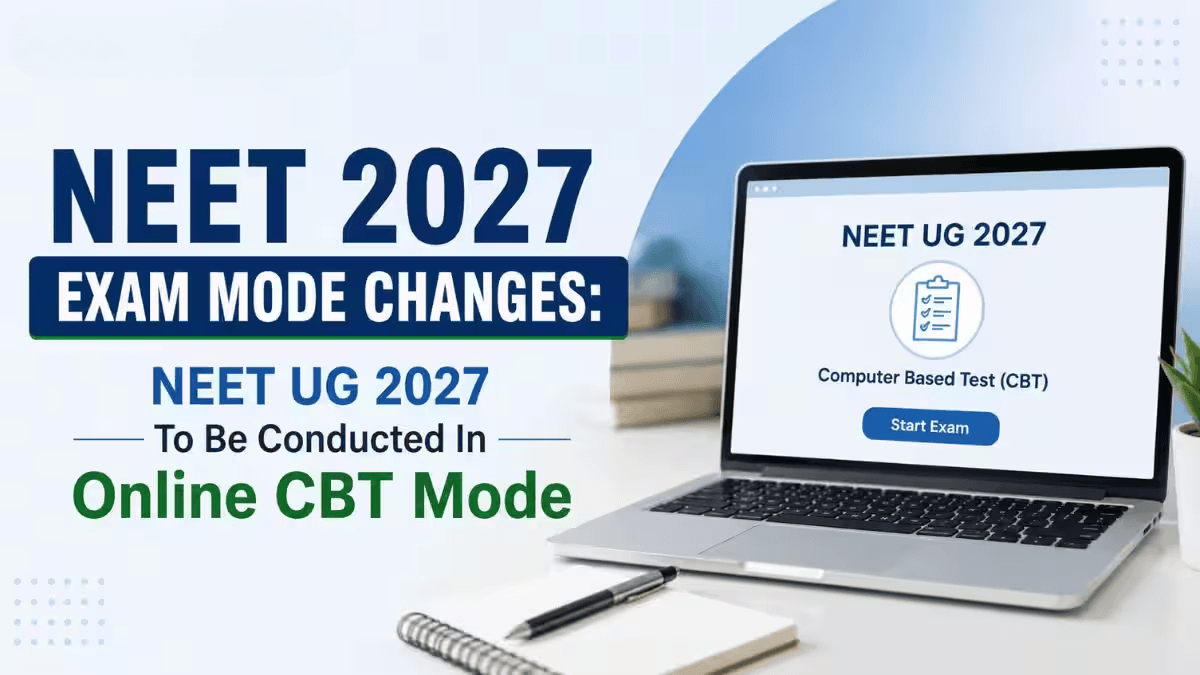
The National Eligibility cum Entrance Test (NEET-UG) is a highly significant examination in India, acting as a primary gateway for students aspiring to pursue undergraduate programs in medicine. Conducted by the National Testing Agency (NTA), NEET-UG serves as the sole entrance examination for admission to various medical colleges across the country.
NEET-UG tests students on subjects such as Physics, Chemistry, and Biology, emphasizing their understanding and application of these critical sciences. The structure of the examination comprises multiple-choice questions, designed to assess students’ knowledge comprehensively. Candidates must have completed their higher secondary education (10+2) with the mandatory subjects, ensuring they have a solid foundation in science before attempting this high-stakes test.
The examination is pivotal not only for students intending to enter medical colleges, but it also significantly impacts the educational landscape in India. NEET-UG is a standardized criterion, which helps in maintaining consistent admission standards across various institutions. Every year, millions of candidates register for this examination, reflecting its importance and the competitive nature of medical admissions.
Eligibility criteria for NEET-UG include age limits and minimum percentage requirements in relevant subjects, which students must meet to qualify for this rigorous examination. The process fosters meritocracy by ensuring that admissions are based on students’ performance in NEET-UG rather than other variable factors.
In essence, NEET-UG holds critical importance in shaping the future of aspiring medical professionals in India. It not only evaluates a student’s readiness for a demanding medical career but also serves as a significant determinant in the allocation of seats in various medical colleges, thus influencing the broader medical education and healthcare landscape in the country.
The Announcement: NTA Chief’s Statement
Recently, the Chief of the National Testing Agency (NTA) made a significant announcement regarding the NEET-UG examinations, which have traditionally been conducted in a pen-and-paper format. The decision to transition to an online format has sparked discussions among students, educators, and educational institutions across the country. Key motivations driving this change include enhancing the efficiency of the examination process and accommodating a larger number of candidates.
According to the NTA Chief, one of the primary reasons for shifting to an online format is to leverage technological advancements that can help streamline the examination process. This transformation is anticipated to reduce logistical issues that have been prevalent in traditional exam settings, such as scheduling conflicts and discrepancies in examination materials. The Chief highlighted that an online examination system could potentially allow for a more organized assessment procedure, as well as facilitate quicker dissemination of results.
Moreover, the NTA Chief emphasized the potential for improved accessibility for aspiring medical students across the nation. He stated, “The online format will enable candidates from remote areas to participate in the examination without the need for extensive travel, thereby leveling the playing field for all applicants.” This sentiment was echoed in discussions about ensuring that the NEET-UG examination remains equitable for students, irrespective of their geographical location.
Looking forward, the NTA is keen on ensuring that both students and educational institutions are adequately prepared for this shift. Training sessions for students and guidance for institutions regarding the new format are being planned to ensure a smooth transition. As this change rolls out, stakeholders are encouraged to remain engaged and seek clarification whenever necessary.
In conclusion, the announcement by the NTA Chief regarding the transition of NEET-UG examinations to an online format presents a pivotal moment in the method of assessment for aspiring medical professionals in India. It reflects a broader shift towards modernization within the educational framework, aimed at improving the efficiency and accessibility of examinations.
The Nilekani Panel and Its Role
The Nilekani panel was constituted to facilitate the transition of the NEET-UG examinations to an online format, addressing the growing need for modernization in the assessment process. Formed under the guidance of renowned technocrat Nandan Nilekani, the panel comprises a diverse group of experts from fields such as education, technology, and testing methodologies. Its formation signifies a strategic move aimed at harnessing technology to improve the examination system, making it more accessible and efficient for students across the country.
The primary objective of the Nilekani panel is to create a comprehensive framework for implementing the online NEET-UG examination, ensuring that the transition is smooth and beneficial for all stakeholders involved. This includes a thorough evaluation of the current examination procedures and determining how best to integrate internet-based formats without compromising the integrity and reliability of the assessment. The panel’s expertise is crucial in addressing potential challenges such as technological infrastructure, cybersecurity, and user accessibility.
In addition to strategizing the transition, the panel is tasked with collaborating with various stakeholders, including educational institutions, examination authorities, and technological providers. This collaborative approach aims to gather insights and recommendations that will be vital in shaping the online examination framework. Experts from the panel will also conduct pilot tests and gather feedback to refine the process before its nationwide rollout.
Overall, the Nilekani panel is a pivotal body in the journey towards an online NEET-UG examination system. Its contributions are expected to guide not only the technical aspects of the transition but also create a more streamlined and effective examination process that aligns with contemporary educational practices.
Implications for Students and Educators
The prospective transition of NEET-UG examinations to an online format carries significant implications for both students and educational institutions. This impending shift aims to enhance the overall examination process, promoting better accessibility and efficiency. For students, one of the primary advantages is the increased availability of examination centers, potentially reducing travel burdens and accommodating a larger number of candidates. Additionally, the online format can facilitate quicker access to results and streamlined registration processes, thereby enhancing the overall experience.
However, the transition to an online examination system raises concerns that must be addressed to ensure equity among students. The digital divide is a primary issue, as not all students may have reliable access to the necessary technology or stable internet connectivity. This disparity can disadvantage students from rural or economically disadvantaged backgrounds, presenting a challenge for educational institutions to implement effective solutions that ensure equitable access.
Another vital consideration is the necessity for students to adapt their preparation strategies to accommodate the new examination format. Familiarity with online testing interfaces and an understanding of the technical requirements will be essential. Educational institutions must therefore invest in training programs and resources that prepare students for these changes, ensuring they are well-equipped to succeed in an online environment.
Moreover, changes in examination protocols may necessitate adjustments in the instructional approaches employed by educators. Teachers will need to modify their curricula and assessment methods to align with the online examination style. This includes fostering digital literacy skills and integrating technology into daily learning environments. Collaborations between educational institutions and students are crucial in navigating the adjustments and embracing the advantages offered by online NEET-UG examinations.