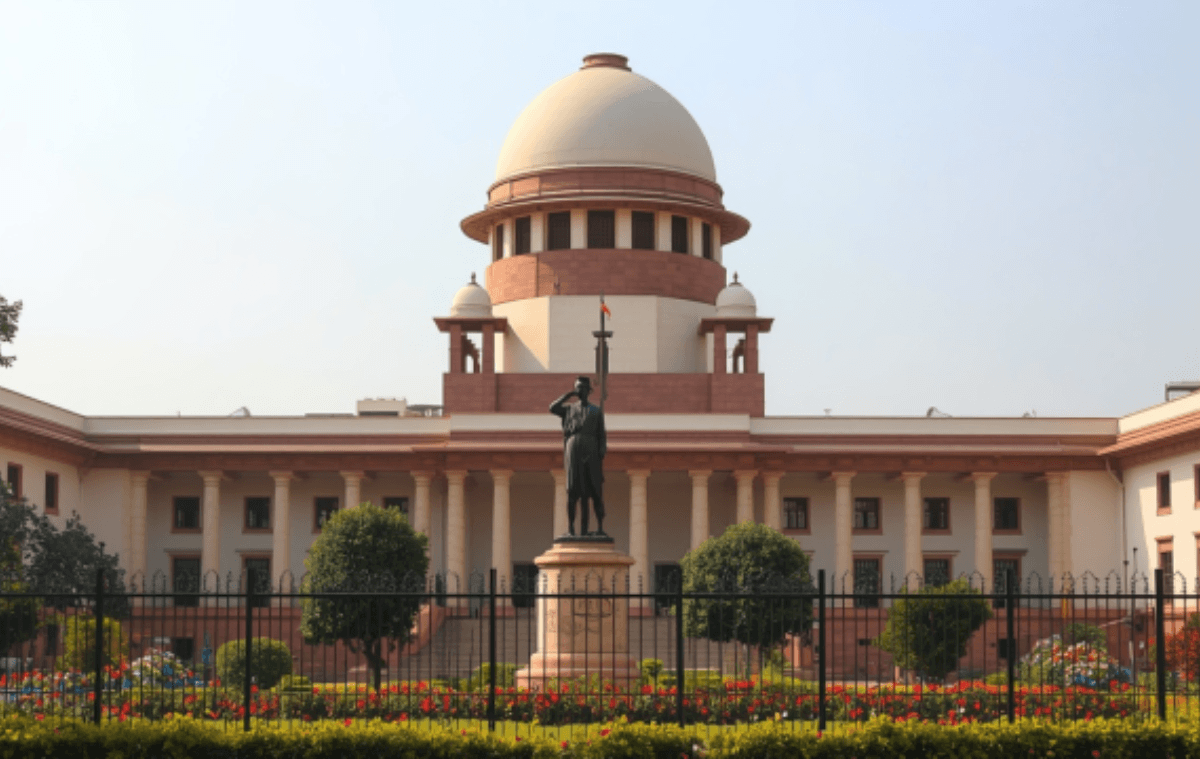
The recent ruling by the Supreme Court of India has drawn significant attention due to its directive compelling the Central Government to address the grievances associated with the Central Board of Secondary Education (CBSE) Online Supplementary Marking (OSM) evaluation process. This ruling was motivated by a series of complaints filed by students and parents regarding discrepancies and inconsistencies in the evaluation of examination papers, which are crucial for students’ academic futures.
The Supreme Court’s involvement underscores the seriousness of the concerns raised about the OSM evaluation process, particularly as it relates to issues of fairness and transparency within the education system. The backdrop of this order is a growing sentiment among stakeholders, including educators and students, that the evaluation mechanisms employed by CBSE may not adequately reflect students’ true capabilities.
In response to this evolving situation, the Supreme Court instructed the Indian government to provide a comprehensive report detailing the steps it will take to address the complaints lodged against the CBSE. This order is pivotal because it not only highlights the judiciary’s role in maintaining educational standards but also emphasizes the need for a reliable and equitable marking system. The implications of this ruling could be far-reaching, potentially resulting in significant reforms within the CBSE evaluation framework.
Furthermore, this decision could set a precedent that encourages other educational boards to reassess their assessment methods. By demanding accountability from the Centre regarding the evaluation process, the Supreme Court aims to ensure that students receive fair treatment in their academic assessments. Such court orders reflect an overarching commitment to uphold the integrity of educational practices in the country.
The Issues with CBSE OSM Evaluation
The Central Board of Secondary Education (CBSE) has adopted an evaluation system known as Online Subjective Marking (OSM), which aims to streamline the assessment process. However, this system has sparked significant controversy, resulting in a multitude of complaints from students, teachers, and various educational institutions. The primary concerns center around the perceived fairness and reliability of the evaluation process.
Many students have expressed dissatisfaction with the OSM evaluation, pointing out that the system often fails to accurately reflect their understanding and knowledge of the subjects. This perception of unfairness stems from the subjective nature of marking, where the evaluation heavily relies on the interpretation of individual evaluators. Such variability in scoring can lead to inconsistent results, undermining students’ confidence in the integrity of their assessments.
Teachers, too, have raised alarms regarding the transparency of the OSM evaluation process. They argue that the lack of clear guidelines on marking criteria contributes to ambiguities that could adversely affect student performance. The evaluators’ discretion on how to score subjective answers invites concerns about bias, as different evaluators may have varying standards for what constitutes an acceptable answer. This inconsistency can ultimately lead to a sense of disenfranchisement among students and educators alike.
Furthermore, educational institutions have apprehended the potential long-term effects of the OSM evaluation system on their credibility. If the results produced by this system are perceived as unreliable or unjust, it could diminish trust in the overall educational framework. Stakeholders are advocating for a thorough review of the OSM evaluation to address these concerns, emphasizing the necessity for reform that ensures fairness and reliability in student assessments.
In light of this feedback, it is evident that addressing the issues with the CBSE OSM evaluation system is crucial to restoring confidence among all parties involved in the educational process.
Government’s Response: What to Expect
The Supreme Court’s demand for the Centre to clarify issues related to the CBSE’s Open Schooling Model (OSM) evaluation has raised significant questions about the future of educational policies in India. The government’s response is crucial as it could lead to several important policy changes aimed at improving the transparency and efficacy of the evaluation system. Observers anticipate that this response will not only address the specific concerns raised by the court but may also introduce broader reforms aimed at enhancing the integrity of educational assessment.
As the government prepares its response, one possible outcome could be the implementation of clearer guidelines for the evaluation processes used by CBSE. There may be an emphasis on creating a more standardized approach that aligns with best practices in educational assessment. This could include the development of more rigorous criteria for evaluating student performance, thereby ensuring that results are reflective of the students’ actual understanding and capabilities.
Moreover, there is a likelihood that the government will consider introducing technological advancements in the evaluation procedures. Incorporating digital tools could streamline processes, reduce human errors, and enhance the overall reliability of assessments. Such advancements are expected to positively impact students, providing them with more accurate feedback on their performance, which is essential for their academic growth.
In addition, as the Centre responds to the Supreme Court, it will need to consider the implications of these changes on students and educational standards. The government’s decisions could lead to improved educational outcomes and increased public trust in the assessment systems. The focus may shift towards defining a robust framework that not only addresses current evaluation issues but also prepares the educational sector for future challenges. This response will thus be pivotal in shaping the landscape of student evaluation in India.
Broader Implications for Education in India
The recent intervention by the Supreme Court regarding the evaluation issues associated with the Central Board of Secondary Education (CBSE) has raised profound concerns that extend beyond immediate administrative functions. The demand for clarification signals a growing recognition of the necessity for robust evaluation integrity within the education system. As the apex court navigates these complexities, its rulings could profoundly influence how examinations are managed in the future.
Central to this discussion is the issue of evaluation integrity. It is critical that the processes employed by national examination boards, such as CBSE, are transparent and fair. When discrepancies in evaluations are identified, they not only undermine the credibility of the examination board but also raise questions about the broader educational ecosystem. Students’ futures hinge significantly on these evaluations, and any lack of trust in the system could trigger a systemic crisis, affecting student confidence in educational qualifications.
The role of judicial oversight becomes particularly relevant in this context. The Supreme Court’s active involvement can be seen as a necessary measure to restore faith among stakeholders in the examination process. By ensuring that the evaluation methodologies are rigorously scrutinized, the judiciary establishes a framework where educational integrity is upheld. Such oversight is vital not just for maintaining standards but also for promoting fairness and accountability. These judicial interventions could serve as a precedent for how educational policies are framed and enforced, potentially leading to a more regulated examination landscape.
As discussions around the implications of this Supreme Court ruling unfold, it also prompts us to consider the future of national examination boards like CBSE. The educational landscape in India is poised for transformative changes, especially regarding how examination results are produced and perceived. Continuous engagement between judicial entities and educational authorities will likely lay the groundwork for a more equitable and reliable educational framework, ensuring that evaluations genuinely reflect students’ learning and capabilities.