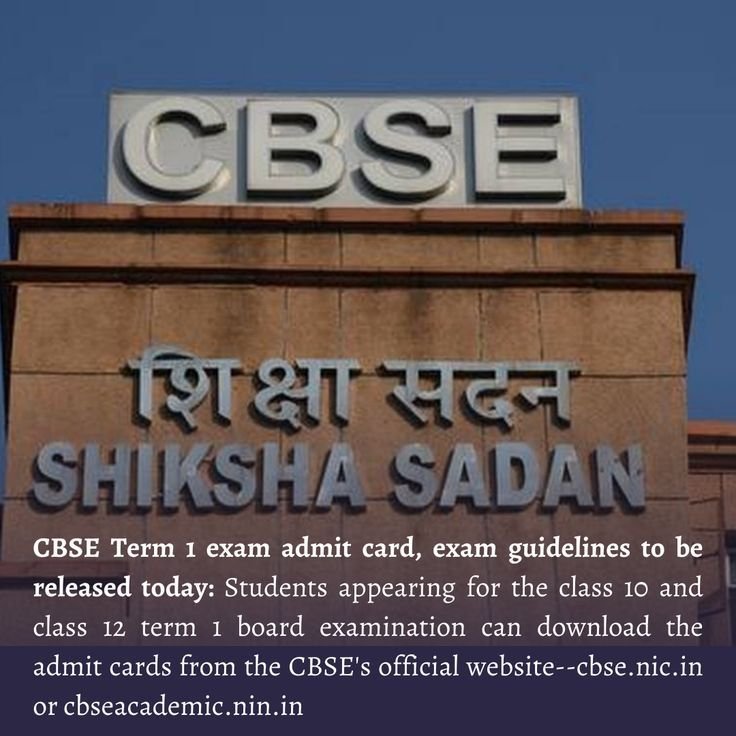




CBSE The Central Board of Secondary Education (CBSE) is one of the prominent educational boards in India, responsible for governing and overseeing the affiliated schools across the nation. Alongside it, the Online School Management (OSM) system has emerged as a crucial tool designed to enhance administrative operations in educational institutions. However, the integration of these two entities has become a topic of concern due to several challenges that have surfaced.
One primary issue is the administrative inefficiencies that have become apparent within the CBSE framework since the implementation of the OSM system. Schools have reported difficulties in managing day-to-day activities, stemming largely from a lack of user-friendly features and frequent technical glitches. Such inefficiencies hinder teachers and administrators from focusing on enhancing the academic experience, consequently affecting student performance and engagement.
Additionally, feedback from both schools and students indicates a growing dissatisfaction with the current OSM setup. Many educators feel that the system does not align with their operational needs, leading to frustration and a significant waste of valuable time. Students, too, have expressed concerns regarding how poorly functioning systems hinder their ability to access vital academic resources, impacting their overall learning outcomes.
The implications of this crisis extend beyond mere inconveniences. When administrative processes falter, the resulting chaos can disrupt school operations, compromise the quality of education, and ultimately affect the students’ academic performance. This situation underscores the importance of addressing the CBSE-OSM crisis with urgency, as it deeply influences the broader Indian education landscape.
The Role and Promises of the New Education Minister
The new education minister brings a wealth of experience and a strong commitment to reforming the educational landscape in India. Having previously held roles in various educational institutions and government bodies, they possess a nuanced understanding of the challenges faced by the Central Board of Secondary Education (CBSE) and the Open Schooling Model (OSM). This background is pivotal as the nation seeks to navigate the current crisis that has emerged from the complexities of merging traditional education systems with modern, flexible learning paths.
Among the key priorities outlined by the new minister are enhancing academic integrity, improving student performance, and ensuring equitable access to educational resources. These promises resonate deeply with various stakeholders, including parents, educators, and students, who have been vocal about their concerns regarding the CBSE-OSM crisis. The minister has pledged to foster a collaborative environment where innovative educational methodologies can be explored and implemented. This includes strengthening the digital infrastructure to support remote learning, which has become indispensable in recent years.
Furthermore, the new education minister has proposed the establishment of task forces specifically designed to analyze the current issues affecting both CBSE and OSM. These task forces will not only examine the existing curriculum and evaluation systems but also explore alternative assessment methods that could better serve diverse learners. By integrating feedback from educators and students alike, the minister aims to create a more inclusive and adaptable education system.
In addition, the minister’s strategy emphasizes the importance of resources and funding aimed at training teachers in new pedagogical approaches. Such investments are essential for equipping educators with the tools they need to effectively engage with students from various backgrounds and learning needs. As the situation continues to evolve, the expectations are high regarding how these initiatives will unfold and what impact they will have on resolving the ongoing CBSE-OSM crisis.
Expert Opinions and Stakeholder Reactions
The recent appointment of a new education minister has sparked considerable discussion among various stakeholders regarding the CBSE-OSM crisis. Education experts, teachers, parents, and students have voiced their opinions, reflecting a range of sentiments from cautious optimism to pronounced skepticism. Many experts emphasize the crucial need for a comprehensive strategy to address the ongoing challenges faced by the Central Board of Secondary Education and the Online School Model (OSM).
Some educational professionals express hope that the new minister will leverage their previous experiences in educational reform to facilitate change. They point to a history of successful initiatives that have positively impacted student outcomes and teacher morale. This optimism is bolstered by the minister’s commitment to engaging with various stakeholders, including teachers’ unions and parent associations, ensuring that diverse perspectives are considered in crafting policies.
Conversely, there are voices of skepticism among certain educators and parents who worry that without concrete actions and policies, the intended reforms may not materialize. Critics often cite previous reforms that, despite initial enthusiasm, failed to deliver meaningful change due to insufficient execution or lack of resources. This historical context underscores the importance of accountability and transparency in the minister’s forthcoming initiatives.
Students, possibly the most affected by these developments, have mixed feelings. Many express concern over the quality of education and the availability of support systems within this hybrid learning framework. Their apprehensions highlight the need for the new policies to directly address mental health and academic support, crucial elements during this transition.
In conclusion, while opinions vary widely regarding the new education minister’s potential to resolve the CBSE-OSM crisis, the collective hope for meaningful engagement and effective reforms remains a recurring theme among stakeholders. This multifaceted dialogue could serve as a critical foundation as the ministry navigates the complexities of modern education in India.
Future Prospects for CBSE and OSM
The recent appointment of a new education minister brings forth renewed hope for the resolution of the ongoing issues surrounding the Central Board of Secondary Education (CBSE) and the Open Schooling Model (OSM). A successful intervention could usher in a series of reforms aimed at enhancing the educational landscape in India. These reforms may include updates to the curriculum, examination policies, and overall administration of both CBSE and OSM.
If the education minister prioritizes the integration of technology in learning and assessment, it could significantly improve the student experience. For instance, a stronger emphasis on digital resources and online evaluations might make education more accessible, catering to a broader range of learning styles. The focus on personalization within the learning process could also lead to better academic outcomes, as students would have the tools necessary to engage with the material in a manner that suits their individual needs.
However, with change comes the challenge of implementation. The new initiatives may face resistance from various stakeholders, including educational institutions and parents, who may be hesitant to adapt to new methods. Moreover, the concerns surrounding the equal distribution of resources could emerge, especially in rural areas where educational infrastructure remains underdeveloped. Addressing these inequities is crucial to ensuring that reforms lead to sustainable improvements across the board.
Ultimately, the future of education in India hinges on the effectiveness of the strategies that are adopted in the aftermath of this crisis. Emphasizing collaboration among educational bodies and stakeholders will be paramount. Should the new education minister manage to facilitate these essential changes, the potential for a more robust and adaptable educational framework for CBSE and OSM could transform the future of learning in the country, setting a precedent for ongoing improvement in educational policies.