








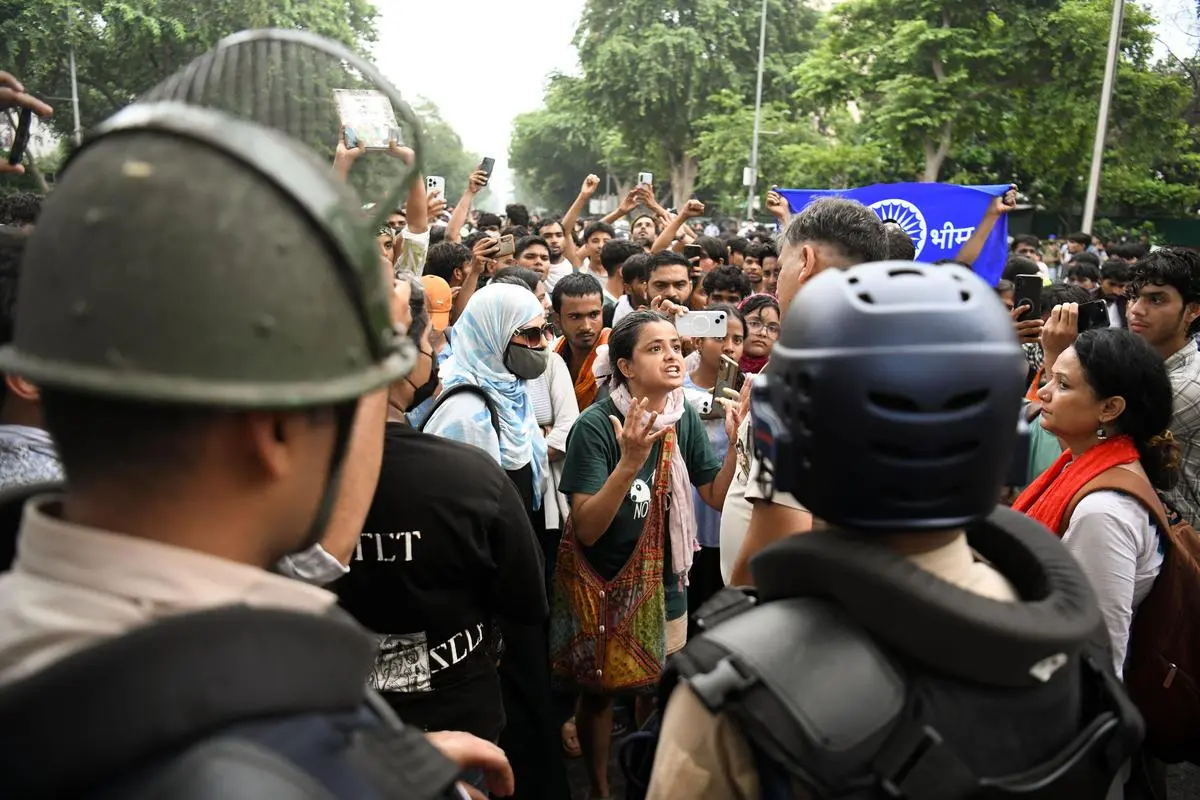
CJP protest The Chief Justice of Pakistan (CJP) protest emerged from a complex blend of political unrest, social grievances, and a demand for judicial independence. The roots of the protest can be traced back to a series of controversial judicial decisions that raised significant questions about the impartiality and integrity of the judiciary. These decisions not only impacted political figures but also resonated with the public sentiment regarding the accountability of judicial institutions.
In the months leading up to the protest, a growing discontent among various segments of society became evident. The political landscape was marked by instability, with frequent clashes between the executive and the judiciary. Key actors in this environment included opposition parties, civil society organizations, and numerous citizens concerned about the erosion of democratic norms. The protest was not merely an expression of anger against individual judgements; it was a collective response to a perceived systemic failure to uphold justice and fair governance.
Social dynamics played a pivotal role in mobilizing support for the CJP protest. Grassroots movements were galvanized through social media platforms, allowing advocates for judicial reform to disseminate their messages widely. Public gatherings, rallies, and online campaigns became platforms for promoting discussions about the need for an independent judiciary. Historical grievances, such as past instances of political bias and perceived injustices delivered by the courts, further fueled the urgency of the protest. This historical context is essential to understanding why citizens rallied together to demand greater accountability and reform within the judicial framework.
As the protest gained momentum, it became clear that the underlying motivations were rooted deeply in the collective desire for a fair and just legal system, reflective of a commitment to upholding the rule of law. The interplay between political forces, social movements, and citizens’ aspirations illustrates the multifaceted origins of the CJP protest.
Key Demands and Objectives of the Protest
The CJP Protest has emerged as a significant movement reflecting deep-seated concerns regarding the judicial processes in Pakistan. Central to the grievances of the participants are demands for the resignation of several prominent judicial figures who are perceived to have undermined the independence and integrity of the judiciary. Protesters argue that these individuals have played a substantial role in fostering an environment of mistrust, where the judiciary is seen as vulnerable to external influence and pressure.
Alongside calls for resignation, the protesters advocate for comprehensive reforms in the justice system. These reforms encompass a wide array of measures aimed at modernizing court proceedings and ensuring fair access to justice for all citizens. The protesters emphasize the need for accountability and the establishment of mechanisms that can prevent corruption and enhance the effectiveness of legal proceedings. As part of these reforms, there is a strong demand for the introduction of transparent practices within the judiciary, which would allow for greater public scrutiny and involvement in judicial matters.
Another crucial objective of the CJP Protest is to align local judicial reforms with broader movements for political accountability and social justice in Pakistan. The participants aim to create a synergistic effect, where judicial reforms can influence and inspire changes across other political institutions. This alignment serves to bolster the overarching mission of advancing democracy and ensuring that the rule of law is maintained within the political landscape. Ultimately, the overarching goal of the protest participants is to foster a judicial system that reflects the principles of justice, equity, and fairness, reinforcing public confidence in the institutions designed to uphold these values.
Reactions and Responses to the CJP Protest
The Chief Justice of Pakistan (CJP) Protest has elicited a diverse range of reactions from various stakeholders, highlighting the complexity of the situation and the differing perspectives on the judiciary’s role in governance. Initial governmental reactions included statements emphasizing the significance of judicial independence and the rule of law. However, some government officials expressed concerns that the protest could undermine public trust in the legal system. This dichotomy illustrates the tension between advocating for judicial autonomy and the necessity of maintaining public confidence in judicial institutions.
Political parties have also reacted strongly to the CJP Protest, with responses varying greatly across the political spectrum. Some opposition parties have publicly supported the protest, viewing it as a vital movement to uphold judicial integrity. They argue that the protest signifies the judiciary’s responsiveness to societal concerns and provides an avenue for public expression on issues of legal accountability. On the other hand, ruling parties and allied factions have criticized the protest, suggesting that it is politically motivated or an attempt to meddle with the judiciary’s independence and functions. Such contrasting views from political entities illustrate the polarization surrounding issues related to judicial governance.
Additionally, legal experts and civil society organizations have voiced their opinions, adding depth to the ongoing dialogue about the importance of judicial independence and accountability. Many experts argue that the CJP Protest represents a crucial moment for the judiciary, potentially reinforcing its authority while simultaneously prompting necessary introspection regarding its operations and public perceptions. Civil society organizations have been particularly vocal in advocating for a balanced judicial framework, emphasizing the need for reforms that enhance transparency and accessibility in the legal system. Overall, these responses reflect a broad spectrum of sentiments, revealing the intricate relationship between the judiciary, the government, and the public.
The Implications of the CJP Protest for Pakistan’s Future
The recent Chief Justice of Pakistan (CJP) protest serves as a significant event in the country’s ongoing discourse surrounding the judiciary and governance. Analyzing the implications of this protest reveals potential shifts within Pakistan’s legal system and broader political landscape. One immediate concern is the possible impact on judicial reforms. The protest has highlighted the public’s desire for accountability and transparency within the judiciary. If these demands are met, it may prompt necessary reforms that enhance the judicial processes, thereby improving the legal framework that governs Pakistan.
Moreover, the CJP protest has significant implications for public trust in the legal system. Citizens’ perceptions of the judiciary are often shaped by its responsiveness to societal demands. A successful protest that results in judicial reforms could bolster public confidence, encouraging citizens to engage more actively with the legal system. Conversely, if the protest is met with resistance or seen as ineffective, it may deepen cynicism and distrust among the populace, further alienating citizens from lawful recourse.
The relationship between the judiciary and other branches of government is also at risk of undergoing transformation. The protest may initiate discussions on the balance of power and the independence of the judiciary. Should the judiciary emerge with a stronger mandate, this could lead to a robust system of checks and balances that favors judicial independence while also ensuring accountability from the executive and legislative branches.
Looking forward, it is reasonable to predict that the CJP protest could ignite broader civil movements within Pakistan, rallying citizens around issues of justice and governance. This could foster a more proactive civil society that not only advocates for judicial reforms but also seeks to address other pressing social issues. The developments from the CJP protest hold significant potential for reshaping the future governance of Pakistan, thus warranting careful observation in the years to come.


