





Preparing for NEET is a challenging journey that requires dedication, consistency, and the right strategy. While studying concepts from Physics, Chemistry, and Biology is essential, one tool often makes the biggest difference between an average score and an outstanding one—the NEET Mock Test.
Mock tests are more than just practice papers. They simulate the real exam environment, help students identify weak areas, improve time management, and build confidence before the actual examination day. Whether you are a first-time aspirant or a repeater aiming for a higher score, incorporating NEET mock tests into your preparation strategy can significantly improve your performance.
In this comprehensive guide, we will explore everything you need to know about NEET mock tests, their benefits, effective strategies, and how to use them to maximize your score.
What is a NEET Mock Test?
A NEET Mock Test is a practice examination designed to replicate the actual NEET exam pattern, difficulty level, and time constraints. These tests are created based on the latest NEET syllabus and help students evaluate their preparation.
A typical NEET mock test includes:
- Physics questions
- Chemistry questions
- Biology questions
- Time limit of 3 hours and 20 minutes
- Multiple-choice questions (MCQs)
- Negative marking system
The primary purpose of mock tests is to provide students with a realistic examination experience before the actual NEET exam.
Why NEET Mock Tests Are Important
Many students spend months studying theory but fail to perform well due to poor exam management. This is where mock tests become invaluable.

Understanding the Exam Pattern
Mock tests familiarize students with:
- Question distribution
- Subject-wise weightage
- Difficulty levels
- Marking scheme
As a result, students feel more comfortable when facing the actual examination.
Improving Time Management
Time management is one of the biggest challenges in NEET. Through regular practice, students learn:
- How much time to spend on each section
- When to skip difficult questions
- How to maintain speed without compromising accuracy
Building Confidence
Confidence comes from practice. The more mock tests you take, the less anxious you feel on exam day.
Identifying Weak Areas
Mock test analysis helps students discover:
- Frequently repeated mistakes
- Weak topics
- Conceptual gaps
- Areas requiring additional revision
Benefits of Taking NEET Mock Tests Regularly
Better Accuracy
Regular practice reduces careless mistakes and improves question-solving accuracy.
Enhanced Speed
Students gradually develop the ability to solve questions faster without losing precision.
Stronger Concept Retention
Repeated application of concepts reinforces learning and improves memory retention.
Reduced Exam Stress
Familiarity with the examination format helps reduce anxiety and nervousness.
Performance Tracking
Mock tests allow students to monitor their progress over time and adjust their study strategy accordingly.
How Often Should You Take a NEET Mock Test?
The frequency depends on your preparation stage.
Early Preparation Phase
During the initial months:
- Take 1 mock test every two weeks
- Focus primarily on concept building
Intermediate Phase
Once most topics are covered:
- Take 1–2 mock tests per week
- Begin detailed analysis
Final Preparation Phase
In the last 2–3 months:
- Take 3–4 mock tests weekly
- Simulate actual exam conditions
- Focus on revision and error correction
Types of NEET Mock Tests
Full-Length Mock Tests
These tests replicate the entire NEET examination and are excellent for:
- Time management practice
- Endurance building
- Performance evaluation
Subject-Wise Mock Tests
These focus on individual subjects.
Benefits include:
- Strengthening weak subjects
- Improving topic-specific understanding
- Targeted practice
Chapter-Wise Mock Tests
Ideal for beginners, chapter-wise tests help students master individual topics before moving to comprehensive exams.
Previous Year-Based Mock Tests
These tests use patterns and question styles inspired by previous NEET examinations.
How to Attempt a NEET Mock Test Effectively
Simply taking a test is not enough. The real value comes from how you attempt and analyze it.

Step 1: Create Exam-Like Conditions
Before starting:
- Sit in a quiet room
- Avoid interruptions
- Set the official time limit
- Keep only allowed materials nearby
Step 2: Follow a Strategy
Many successful candidates use the following order:
- Biology
- Chemistry
- Physics
However, choose a sequence that suits your strengths.
Step 3: Avoid Guesswork
Since NEET includes negative marking, random guessing can reduce your score.
Step 4: Mark Difficult Questions
Skip extremely difficult questions initially and revisit them later.
Step 5: Review Answers
Use the final minutes to check calculations and marked questions.
Common Mistakes Students Make During NEET Mock Tests
Not Analyzing Results
Many students take tests but never review their mistakes.
This limits improvement.
Taking Too Few Tests
A lack of mock test practice often leads to poor time management.
Ignoring Weak Areas
Students frequently focus on favorite subjects while neglecting weaker topics.
Comparing Scores Excessively
Healthy competition is useful, but obsessing over rankings can increase stress.
Practicing Without Revision
Mock tests should complement revision, not replace it.
How to Analyze a NEET Mock Test
Analysis is often more important than the test itself.

Evaluate Accuracy
Calculate:
- Total attempted questions
- Correct answers
- Incorrect answers
- Accuracy percentage
Identify Weak Topics
Create a list of topics where mistakes occur repeatedly.
Maintain an Error Notebook
Write down:
- Wrong questions
- Correct concepts
- Important formulas
- Common mistakes
Review this notebook regularly.
Track Progress
Maintain a spreadsheet or notebook containing:
| Test Number | Score | Accuracy | Weak Areas |
|---|---|---|---|
| Test 1 | 450 | 68% | Mechanics |
| Test 2 | 510 | 74% | Organic Chemistry |
| Test 3 | 580 | 82% | Genetics |
This helps monitor improvement over time.
Best Strategy for Scoring High in NEET Mock Tests
Focus on NCERT
Especially for Biology and Chemistry, NCERT remains the most important resource.
Revise Frequently
Revision strengthens memory and reduces errors.
Practice MCQs Daily
Daily question-solving improves speed and confidence.
Learn from Mistakes
Each mistake is an opportunity to improve.
Maintain Consistency
Even one mock test every week can make a significant difference when done consistently.
Subject-Wise Mock Test Preparation Tips
Biology
Key Areas
- Genetics
- Human Physiology
- Ecology
- Biotechnology
Preparation Tips
- Read NCERT multiple times
- Practice assertion-reason questions
- Focus on diagrams and terminology
Chemistry
Physical Chemistry
- Practice numerical problems
- Memorize formulas
Organic Chemistry
- Understand reaction mechanisms
- Revise named reactions
Inorganic Chemistry
- Learn NCERT line by line
- Revise regularly
Physics
Important Topics
- Mechanics
- Modern Physics
- Current Electricity
- Thermodynamics
Preparation Tips
- Practice numerical questions daily
- Strengthen formula application skills
- Focus on conceptual understanding
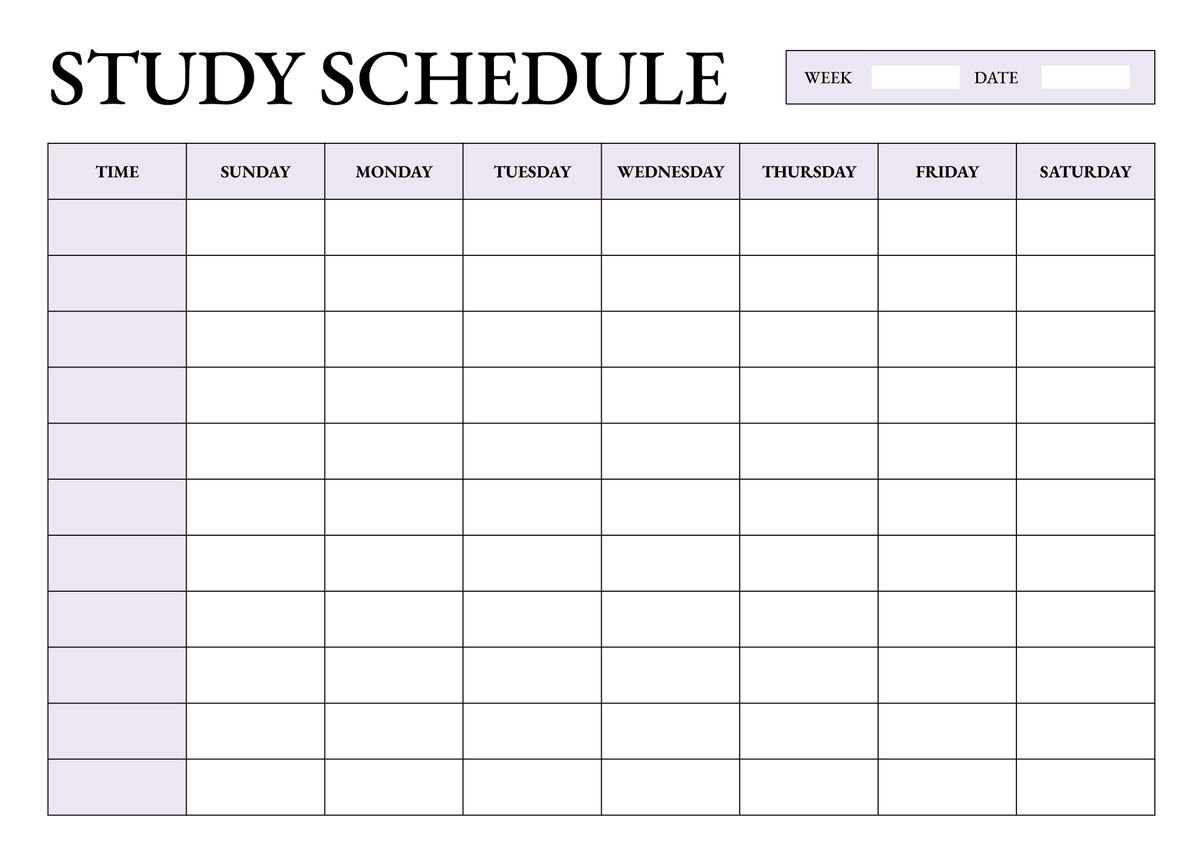
NEET Mock Test Preparation Schedule
Monday to Friday
- Concept revision
- MCQ practice
- Formula review
Saturday
- Full-length mock test
Sunday
- Test analysis
- Error correction
- Weak topic revision
Following a structured schedule ensures balanced preparation.
Online vs Offline NEET Mock Tests
Online Mock Tests
Advantages:
- Instant results
- Detailed analytics
- Convenience
Disadvantages:
- Potential distractions
- Screen fatigue
Offline Mock Tests
Advantages:
- Real exam experience
- Better concentration
Disadvantages:
- Manual evaluation
A combination of both formats is often the best approach.
How Many Mock Tests Should You Take Before NEET?
While quality matters more than quantity, most successful candidates attempt:
- 30–50 full-length mock tests
- Numerous chapter-wise tests
- Subject-specific assessments
The exact number varies depending on individual preparation levels.
Signs That Your Mock Test Performance Is Improving
Look for these indicators:
- Higher accuracy rates
- Reduced negative marking
- Better time management
- Consistent score growth
- Increased confidence
Even small improvements indicate progress.
Last Month Strategy for NEET Mock Tests
The final month is critical.

Week 1
- Full syllabus revision
- 3–4 mock tests
Week 2
- Intensive error correction
- Formula revision
Week 3
- Daily mixed-question practice
- Mock tests under strict conditions
Week 4
- Light revision
- Confidence building
- Avoid excessive stress
Focus on maintaining mental and physical health during this period.
Frequently Asked Questions About NEET Mock Tests
Are mock tests harder than NEET?
Some mock tests may be slightly harder to prepare students for challenging situations. However, they generally follow the NEET pattern closely.
Can mock tests improve my rank?
Yes. Regular mock test practice improves accuracy, speed, confidence, and exam strategy, all of which contribute to a better rank.
When should I start taking mock tests?
Students should begin chapter-wise tests early and gradually move to full-length mock tests as syllabus coverage increases.
What score should I aim for in mock tests?
Aim for steady improvement rather than a specific score. Consistency is more important than occasional high scores.
Conclusion
A NEET Mock Test is one of the most powerful tools for achieving success in the NEET examination. It not only evaluates your preparation level but also helps you improve accuracy, speed, confidence, and exam temperament. By taking mock tests regularly, analyzing your performance, correcting mistakes, and revising strategically, you can significantly enhance your chances of securing a top score.
Remember, success in NEET is not determined solely by how much you study but also by how effectively you apply your knowledge under exam conditions. Start incorporating mock tests into your routine today, stay consistent, and keep tracking your progress.