

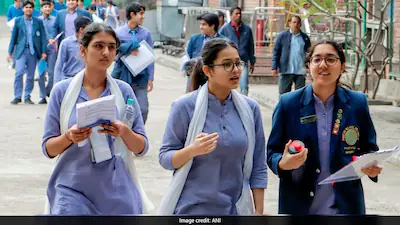
CBSE The Central Board of Secondary Education (CBSE) employs a re-evaluation process designed to ensure accuracy and fairness in the evaluation of examination scripts for classes 10 and 12. The re-evaluation allows students to seek a reassessment of their marks in case they suspect discrepancies in their original results. This process can significantly impact a student’s overall academic performance and future opportunities.
To initiate re-evaluation, students must meet specific eligibility criteria set forth by CBSE. Generally, any student who has received their results can apply for re-evaluation, provided there are no pending disciplinary actions against them. The application form for re-evaluation must be submitted within a stipulated timeframe, often shortly after the announcement of results. It is essential for students to keep track of these deadlines to ensure their eligibility to apply. The timelines for the submission and subsequent result declaration can vary, typically spanning several weeks.
Students opt for re-evaluation for various reasons, which can include but are not limited to, perceived discrepancies between their expectations and the marks obtained. Instances such as an incorrectly marked answer script or miscalculation of total scores can motivate students to seek this process. Additionally, a desire for improved scores, which might be necessary for eligibility into higher educational programs, often leads students to pursue re-evaluation. The re-evaluation process aims to provide transparency and care for students’ academic progress, allowing them to present their best academic selves.
Social Media Buzz: Reasons for the Trending Topic
The release of the CBSE 10th and 12th re-evaluation results for 2026 has sparked significant conversation across various social media platforms. This surge in social media activity can mainly be attributed to the heightened emotions and expectations surrounding the examination outcomes. Students and their families are actively engaging with educational communities online, discussing their experiences, and sharing insights related to the re-evaluation process.
A considerable number of students are taking to platforms like Twitter, Facebook, and Instagram to express their feelings about the results. The discussions range from sheer joy among those who have seen improvements in their scores to disappointment for those who did not achieve the anticipated results. Furthermore, these platforms have become spaces for individuals to seek support and share advice on what steps to take next in their educational journeys.
Specific hashtags related to the CBSE re-evaluation, such as #CBSEResult2026 and #Reevaluation, have gained traction, facilitating a community where students can connect and share their experiences. Many educators are also joining the conversation, providing insights on how to navigate the implications of these results for future academic prospects and career choices.
The emotional responses surrounding the re-evaluation results reflect the significant impact these outcomes have on students’ futures. Many students view their scores as a critical determinant of their educational paths, hence the emotional weight of the discussions on social media. Joyful reactions often highlight personal achievements and aspirations, while conversations filled with disappointment may lead to dialogues on resilience and alternative educational routes. Consequently, the re-evaluation results have not only resulted in individual reflections but also fostered broader discussions about educational pressures and expectations among youth today.
Impact on Students and Academic Futures
The re-evaluation results of the CBSE 10th and 12th examinations for the year 2026 are generating substantial conversations among students and educational stakeholders alike. Acknowledging the students’ perspectives, many have shared their experiences and how the re-evaluation process has profoundly influenced their academic paths. For instance, Maya, a 12th-grade student from Delhi, expressed how a slight increase in her scores from the re-evaluation opened doors to her dream college, ultimately securing her admission into a prestigious university for an engineering program. This heightened sense of validation significantly boosted her confidence, allowing her to pursue her career ambitions with renewed fervor.
Similarly, Rahul, who initially received lower scores in his subjects, communicated how the re-evaluation process not only corrected his grades but also positively affected his eligibility for various scholarship opportunities. With his revised scores, he could access financial aid that would alleviate the burden of college tuition, thus paving a smoother path for his educational journey. This testimony underscores the vital role of accurate assessment and feedback in shaping a student’s future.
On a broader spectrum, the ongoing discussions surrounding re-evaluation results are compelling educators to reconsider evaluation appraisals and assessment strategies within the education system. Many educators are advocating for improved transparency and support mechanisms for students navigating the re-evaluation process. Issues such as assessment methodologies and their implications on student well-being are becoming increasingly pertinent. As academic futures often pivot on examination outcomes, the implications of these changes might extend beyond individual students, potentially reshaping educational policies and student services across the board.
Expert Opinions and Analysis
The CBSE re-evaluation process has elicited a variety of responses from educational experts, teachers, and counselors, highlighting its significance in the landscape of academic assessment. Many professionals argue that re-evaluation mechanisms provide a necessary safeguard for students who may feel disadvantaged by initial grading. They assert that this system not only enhances fairness in assessments but also instills a sense of confidence among students, reassuring them that their grievances will be addressed. However, some experts suggest that the existing re-evaluation framework could benefit from a more transparent and standardized approach to ensure consistency across different cases.
In this light, educators propose a thorough review of the procedures involved in the re-evaluation process. They emphasize the need for clear guidelines and criteria that evaluators must follow to minimize biases and discrepancies. Furthermore, they advocate for incorporating technology into the assessment process, suggesting that digital platforms may streamline the re-evaluation process, making it more efficient and accessible. Such technological advancements could pave the way for better record-keeping and quicker response times for students awaiting results.
Additionally, educational counselors emphasize the emotional aspect of navigating post-result scenarios. They advise students to focus on mental well-being by seeking support from family, friends, and professionals during this challenging period. Counseling services, both online and offline, can offer valuable guidance on how to cope with disappointment and maintain motivation for future academic endeavors. In this context, the role of social media also cannot be overlooked. It serves as both a source of information and a platform for students to express their concerns and seek advice, thus acting as a vital resource in understanding the re-evaluation landscape.