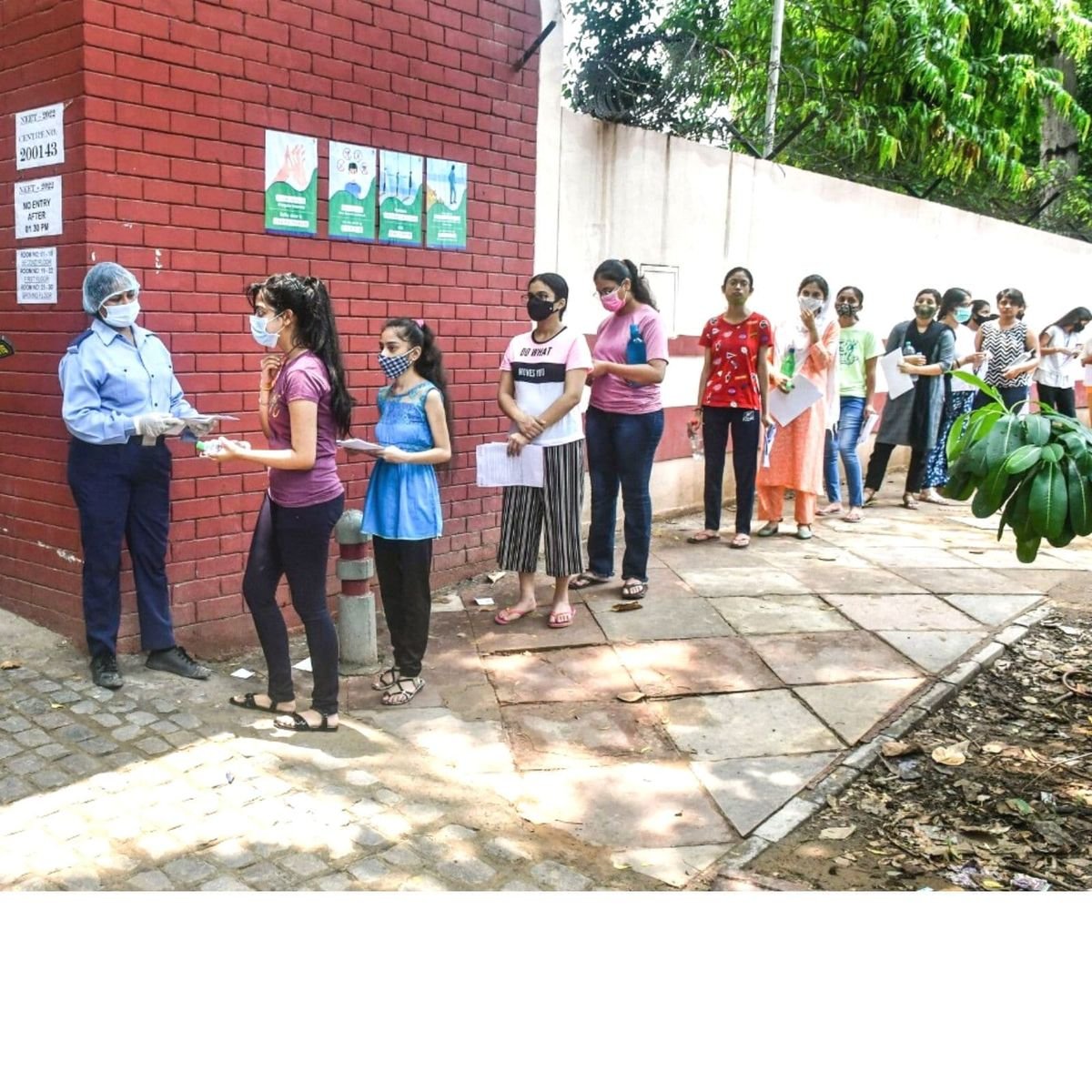
NEET-UG The cancellation of the NEET-UG 2026 exam has raised significant concerns among students, educational institutions, and stakeholders involved in the medical education ecosystem. This unprecedented decision stemmed from a combination of unforeseen circumstances and public health directives aimed at safeguarding the well-being of candidates and examiners alike. Factors such as a resurgence of health crises, logistical challenges, and governmental decisions played crucial roles in this development.
Initially, the examination was planned to serve as a crucial gateway for aspiring medical students seeking admission into prestigious institutions across the country. However, several unpredictable events, including heightened health warnings and restrictions impacting large gatherings, necessitated a reevaluation of the exam’s feasibility. As health authorities continued to monitor the situation, maintaining the safety and health of all participants became the priority.
The implications of this cancellation are manifold, extending beyond just the immediate distress faced by students. Academic institutions are now grappling with altered admission timelines, impacting their recruitment processes. Furthermore, students who had invested significant time and resources in preparation for the NEET-UG 2026 exam are left in a lurch, facing uncertainty regarding their future trajectories in the medical field.
Furthermore, the department responsible for administering the exam, the National Testing Agency (NTA), must now focus on devising an efficient refund process for the candidates who registered for this critical examination. This process not only demands logistical acumen but also sensitivity to the emotional and financial investment of the applicants. The ramifications of the cancellation underscore the importance of adaptability and clear communication among educational bodies during periods of crisis.
Details of the Refund Process
The National Testing Agency (NTA) has initiated a detailed refund process for candidates who were unable to attend the NEET-UG 2026 examination due to its cancellation. This refund process is designed to ensure that eligible candidates can recover their application fee in an organized manner.
Eligibility for refunds is primarily based on the reason for the examination cancellation. Candidates who had completed the NEET-UG application process and paid their fees are eligible to apply for a refund. It is essential for applicants to verify their eligibility through the official NTA communication or website to understand their status regarding the refund.
To initiate a refund request, candidates must follow a series of straightforward steps. First, they are required to log onto the official NTA website and navigate to the designated refund section. Next, they will need to fill out an online application form, providing details such as their registration number, personal details, and banking information for the refund transaction. Submitting accurate information is critical, as errors may delay the refund processing time. Candidates should also ensure they submit their requests within the stipulated timeline, as late applications may not be entertained.
The NTA has set specific deadlines for the refund process, which candidates must adhere to. It is advisable for applicants to keep track of these dates closely. Once the refund request is submitted, the processing timeline is usually communicated via the NTA portal, allowing candidates to monitor the status of their applications. Transparency and communication regarding the refund status will be maintained throughout the whole process, ensuring that candidates are kept informed until the funds are successfully returned.
Impact on NEET-UG Candidates
The announcement regarding the activation of the refund process for candidates of the cancelled NEET-UG 2026 exam has reverberated across the academic community. For many students, the cancellation of this pivotal examination represents not only a setback in their immediate educational goals but also raises considerable financial concerns. The refund process aims to mitigate these concerns, providing a necessary relief for candidates who invested significant resources in preparation and registration.
A vast majority of candidates have expressed mixed reactions to the news. While some appreciate the timely establishment of a refund process, others remain anxious about the uncertainties surrounding future preparatory exams. Many students had allocated considerable funds towards coaching, study materials, and resources, which they now see as investments that have not yielded results due to the cancellations. As a result, the financial ramifications are far-reaching, prompting candidates to weigh their options and plan their next steps cautiously.
Moving forward, students are engaging in meticulous discussions around their future educational paths. They must consider the implications of the NEET-UG cancellation in relation to upcoming medical entrance exams, including the potential need for remedial study strategies or additional preparation. Some individuals may choose to retake the same preparations, while others might explore alternative pathways to entering the medical field, such as focusing on other universities or entrance examinations.
The uncertainty that surrounds the NEET-UG exam’s schedule has undoubtedly placed candidates in a position of deliberation. It is crucial for students to remain adaptable and informed, to navigate the evolving landscape of medical admissions efficiently. Ultimately, while the refund process provides a level of financial reassurance, it also prompts a broader reassessment of candidates’ future plans in light of the recent disruptions.
Future of NEET-UG Examinations
The future of the NEET-UG examination, particularly in the wake of the recent cancellation, raises several important considerations for candidates, educational institutions, and regulatory bodies. Following the cancellation of the NEET-UG 2026 exams, the National Testing Agency (NTA) is under pressure to reschedule the assessments in a manner that ensures both accessibility and rigor. The NTA has a crucial role in not only addressing the logistical challenges of rescheduling but also in restoring faith among students who have invested considerable time and effort in their preparations.
In anticipation of potential changes in exam formats, experts suggest that the NTA may explore innovative assessment methods. This could include a shift to online examinations or hybrid models that incorporate both online and offline components. Such changes could enhance the flexibility of the examination process, making it more accommodating for diverse student populations. Furthermore, stakeholders emphasize the importance of ensuring that any new formats maintain high standards of fairness and reliability.
Educational institutions and coaching centers are also expected to adapt their teaching methodologies in response to the evolving landscape of the NEET-UG exam. By embracing new technologies and educational strategies, they can better prepare students for the dynamics of future examinations. It’s critical for these institutions to remain updated with NTA’s announcements and guidelines post-cancellation, as these will provide the framework within which they can effectively navigate the upcoming changes.
Overall, as we look ahead, the NEET-UG examination is poised for changes that could redefine the college admission landscape in the medical field. The collaboration between the NTA, educational institutions, and students will be vital in shaping a robust framework for future assessments, ensuring that candidates are appropriately prepared and evaluated under the new system.