



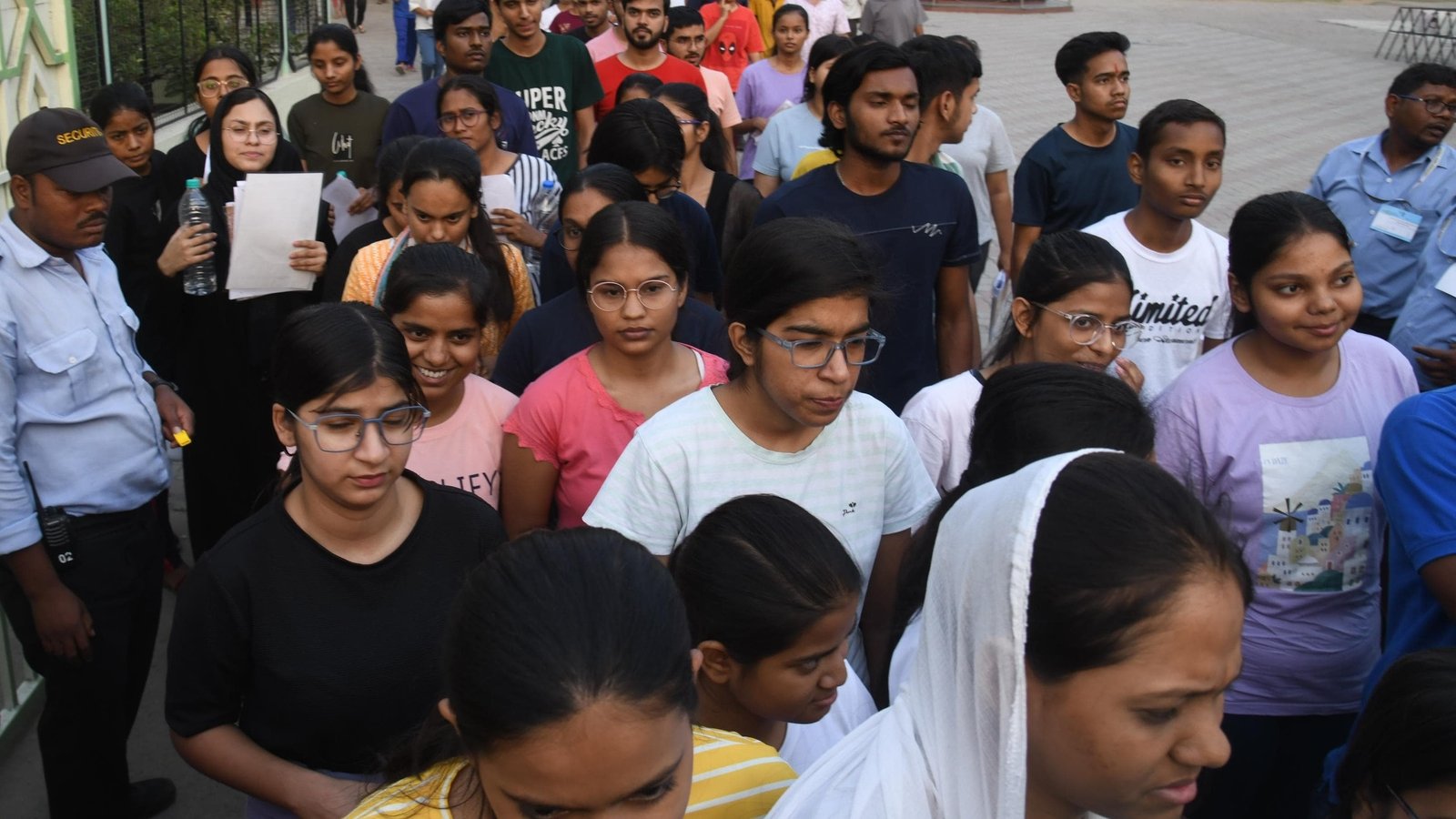
CBSE Class 12 Result The forthcoming CBSE Class 12 results are creating a palpable atmosphere of anxiety among the 18 lakh students across India. This emotional strain is rooted in several sources, each contributing to a collective feeling of apprehension. One significant factor is the immense pressure from parental expectations. Many students feel that their worth is evaluated based on their academic performance, leading to a heightened sense of anxiety as they await the results. Parents often emphasize the importance of achieving high grades, believing it is critical for securing a better future. This can create a cycle of anxiety, as students strive to meet these expectations.
Furthermore, the competitive landscape of education exacerbates these feelings. With numerous students vying for limited spots in prestigious universities, the stakes have never been higher. The fear of falling behind peers, coupled with the pressure to excel, can lead students to experience stress-related symptoms, including insomnia and loss of appetite. The competitive nature of CBSE exams, paired with the unpredictable external circumstances such as economic fluctuations or changes in educational policies, adds layers of uncertainty regarding future educational opportunities and career paths.
The unknowns surrounding their results create a state of limbo, preventing students from planning for the future effectively. Anxiety levels are further amplified by the narratives of success and failure that permeate social media, where instances of high achievers are publicized and celebrated, while struggles often remain unmentioned. Consequently, many students find themselves in a spiral of negative thoughts, second-guessing their capabilities. It is crucial to recognize and address these mental health challenges, as many in this demographic require support systems that can help them navigate the pressures of the impending CBSE Class 12 results.
Changes in Examination and Evaluation Processes
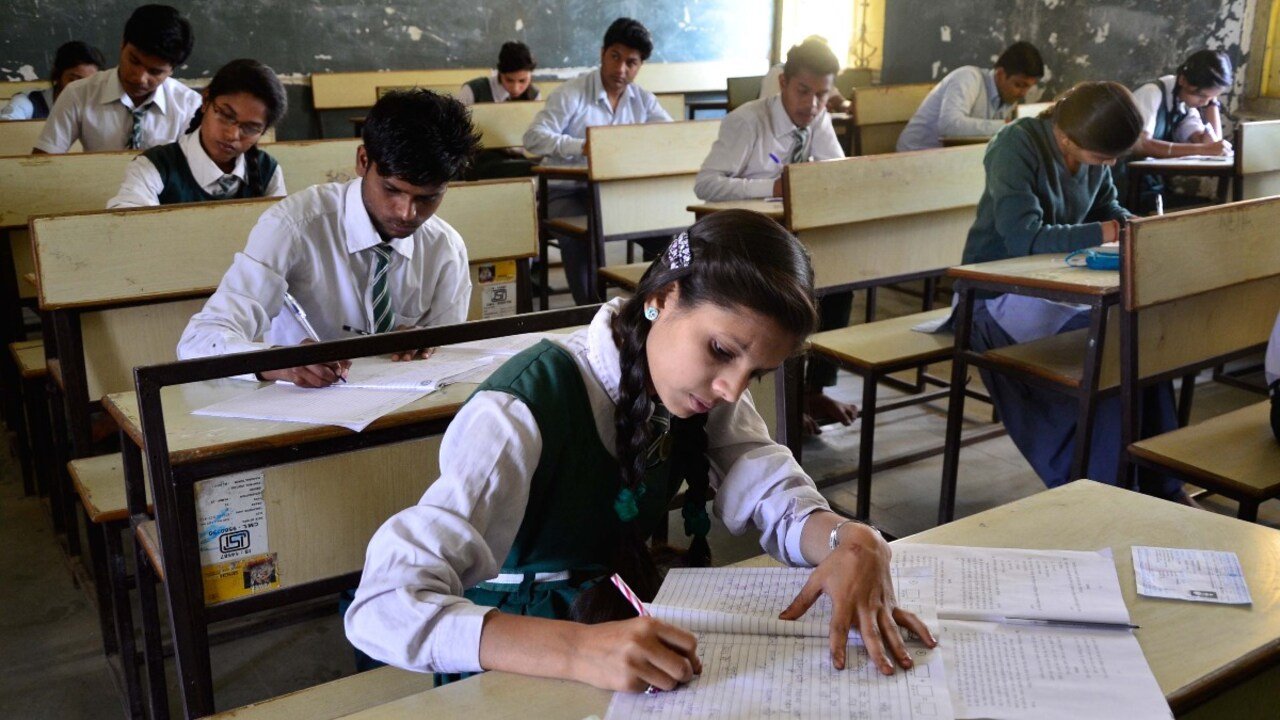
CBSE Class 12 Result The Central Board of Secondary Education (CBSE) has implemented significant changes in the examination and evaluation processes for the 2026 academic year, affecting approximately 18 lakh students across the nation. These modifications are primarily aimed at aligning the assessment strategies with contemporary educational standards and addressing the varied learning needs of students. One of the key changes is the introduction of a competency-based assessment model which emphasizes critical thinking, problem-solving skills, and practical application of knowledge rather than rote memorization.
Previously, examinations primarily focused on theoretical knowledge and examination boards often relied on a standardized testing approach. However, the new format seeks to incorporate different types of evaluation methods, including formative assessments, project work, and collaborative activities that provide a more holistic view of a student’s performance. As a result, students are now expected to engage more actively in their learning process, which requires them to develop a deeper understanding of subjects.
Furthermore, the weightage of internal assessments has been increased considerably, prompting educators to place greater emphasis on continuous evaluation. Through a series of periodic tests and assignments throughout the year, teachers can provide timely feedback to students. This shift encourages learners to adopt a more consistent and disciplined approach to their studies. Students are also advised to adapt their preparation strategies accordingly, paying closer attention to developing analytical skills and applying concepts in real-world scenarios.
Overall, these changes signify a substantial shift in how academic performance is measured and indicate a move towards fostering skills that are increasingly valued in further education and future employment. Students must be aware of these modifications and adjust their preparation accordingly to meet the new expectations set forth by the CBSE.
Impact of Digital Tools on Result Evaluation
CBSE Class 12 Result The role of technology in education has evolved significantly in recent years, with digital tools increasingly becoming integral to the evaluation processes for Class 12 results. For the upcoming 2026 evaluations, the Central Board of Secondary Education (CBSE) is leveraging various online assessment methods and advanced data analytics to ensure a seamless and fair evaluation of approximately 18 lakh students across the nation.
Online assessments are now a cornerstone of the CBSE evaluation framework. By utilizing online platforms for examinations, CBSE can administer tests that not only assess student performance with greater efficiency but also adapt to the needs of students in a digital age. This shift not only alleviates logistical challenges associated with paper examinations but also provides students with immediate access to feedback, which can enhance the learning process.
Moreover, the integration of data analytics into result evaluation allows for a more nuanced understanding of student performances. By analyzing trends and patterns in student answers, educators can identify areas that require intervention, ensuring that support is tailored to individual needs. This data-driven approach minimizes the chances of grading discrepancies and underscores the importance of accuracy in result determination.
Artificial Intelligence (AI) technologies also play a crucial role in this evolution. AI can assist in automating aspects of the grading process, providing consistency and objectivity in evaluations. Furthermore, the use of AI-driven tools can help in fraud detection and ensuring the integrity of assessments. This technology-mediated fairness is crucial in building trust in the final results, which can significantly impact students’ futures.
As these digital tools continue to shape the way results are evaluated, they also set a precedent for future assessments, preparing students for a more digital and transparent academic environment. The incorporation of advanced technologies can redefine the standards of educational evaluation, ensuring that fairness and accuracy remain paramount in the pursuit of academic excellence.
Future Implications for Students and Educational Institutions
As the CBSE Class 12 result 2026 approaches, it is essential to consider the broader implications this will have not only on students but also on educational institutions across the country. The results are expected to influence a variety of factors, including college admissions, mental health awareness among students, and necessary adaptations in the school curriculum.
In terms of college admissions, students and parents may need to prepare for a landscape that could see increased competitiveness. Universities may adopt more stringent criteria for admissions, leading to a heightened emphasis on academic performance. This shift may necessitate that students engage more deeply with their academic pursuits during their final years of schooling. Consequently, classes might need to be structured to provide more comprehensive preparation for students seeking higher education.
Moreover, the pressure to achieve high marks can have profound effects on student mental health. The 2026 results may amplify stress levels among students, as the outcomes are likely to impact not only their immediate future but also their long-term career prospects. It is crucial for educational institutions to recognize these challenges and actively integrate robust mental health support systems. Counseling services and stress-management programs should be promoted to ensure students have the necessary resources to cope with academic pressures.
Educational institutions may also need to adapt their teaching methods and curricula in response to these results. This includes embracing technologically integrated classrooms, which can offer personalized learning experiences. As a result, schools could implement reforms that place a greater emphasis on critical thinking and problem-solving skills rather than rote memorization. By fostering a more holistic educational approach, institutions can better equip students to navigate the complexities of modern academic and professional environments.