



The year 2024 has proven to be a tumultuous period for the educational landscape, marked by a series of controversies that have captured public attention and raised significant questions regarding the integrity of examination processes. From alleged paper leaks to abrupt exam cancellations, the ramifications of these incidents have reverberated throughout educational institutions, impacting students, educators, and the overall education system. As reports surfaced about widespread allegations of misconduct, the trust that students and parents place in examination bodies began to erode, leading to broader discussions about the accountability of educational authorities.
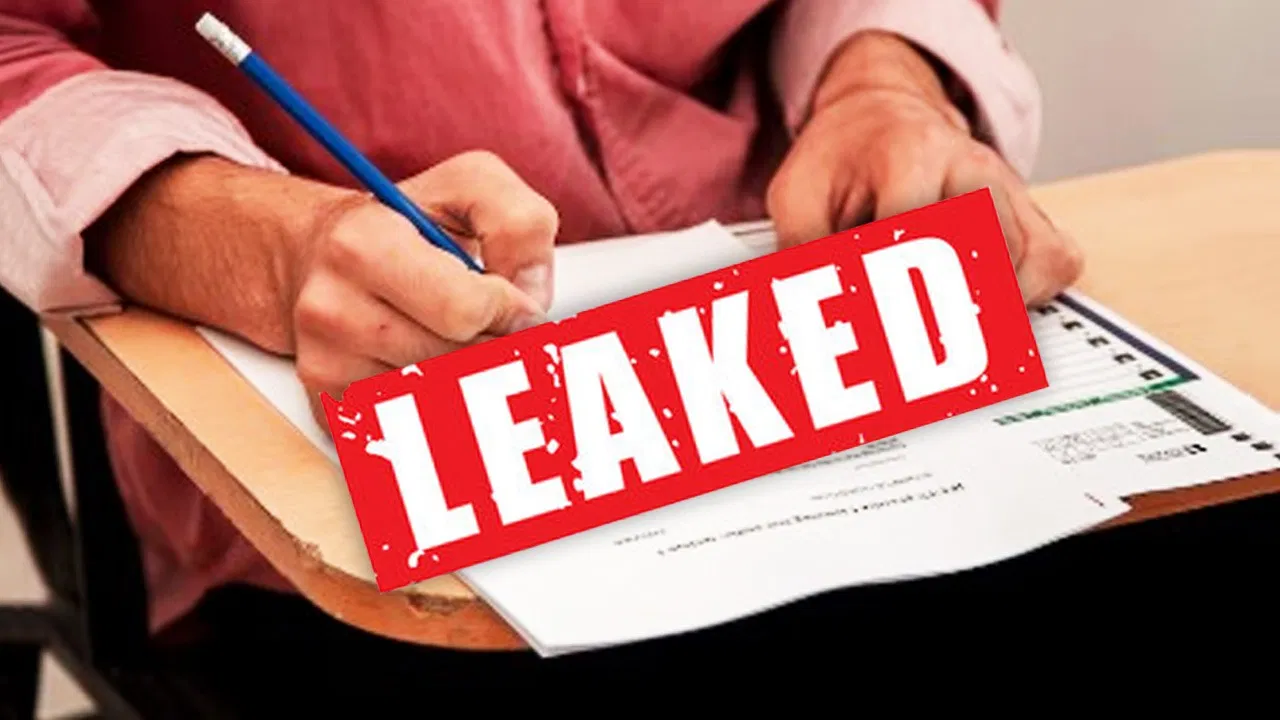
One of the most pronounced controversies involved allegations of systematic paper leaks prior to key examinations. These alleged breaches not only undermined the credibility of examinations but also jeopardized the future of countless students who found themselves at the center of uncertainty. In a competitive educational environment, such incidents pose a challenge to maintaining fairness and equity, leading to calls for urgent reforms within examination processes.
In addition to the paper leak allegations, the decision by several educational institutions to cancel exams raised further concerns. The cancellations, often attributed to the need to uphold academic integrity, thrust students into a state of confusion, leaving them without clear paths for their academic progress. The implications of these events extend beyond immediate academic disruption; they challenge the credibility of the educational institutions responsible for safeguarding the examination processes.
Ultimately, the controversies of 2024 signify a crucial moment for accountability in education. Amidst challenges to trust and integrity, it becomes imperative for educational authorities to implement measures that restore confidence in the examination processes. As we delve deeper into the events of this year, a thorough examination of these issues will help illuminate the path forward for the educational sector.
Exploring Alleged Paper Leaks
The year 2024 was marked by a series of alleged paper leaks that cast a shadow over the educational landscape, raising questions about the integrity of examination processes. Among the most prominent incidents was the leak of question papers for the national engineering entrance examination, which sparked outrage and prompted immediate investigations by authorities. This incident was not isolated; there were similar reports tied to various subjects, including the standardized math and science assessments traditionally held in May.
The ramifications of these alleged leaks were profound. Student trust in the examination system was severely undermined, as many began to question the fairness and credibility of assessments that were meant to gauge their knowledge and skills objectively. Reports indicated that students expressed anxiety and frustration, fearing that their hard work might be overshadowed by compromised examinations. This sentiment of disillusionment was echoed across educational forums and social media, further intensifying discussions about examination integrity.
In response to the growing public outcry, educational authorities launched multiple investigations aimed at uncovering the sources and mechanisms behind these leaks. Initial findings suggested the involvement of organized networks aiming to profit from past question papers. As these inquiries progressed, the spotlight intensified on examination bodies to implement stricter protocols for securing and administering tests. The general public and educational stakeholders advocated for greater transparency and accountability, urging the need for systemic reforms to restore faith in the examination system.
Ultimately, the controversies surrounding paper leaks in 2024 serve as a call to action for educational institutions to reinforce the principles of academic integrity. The challenges faced this year highlighted not only the vulnerabilities within the examination systems but also the critical importance of fostering an environment where students can trust that their efforts will be fairly assessed.
The Ripple Effects of Exam Cancellations
Throughout 2024, the phenomenon of exam cancellations emerged as a significant disruption in the academic landscape. The reasons for these cancellations were varied, encompassing safety concerns stemming from health crises, severe weather conditions, administrative inefficiencies, and even allegations of cheating or misconduct. Each of these factors contributed to an environment of uncertainty, prompting educational authorities to take decisive actions that impacted students nationwide.
One notable instance occurred in the spring semester when several major state-level examinations were cancelled due to unexpected health advisories. Authorities cited the potential risk to student safety as the primary rationale for these decisions. Similarly, administrative issues, including errors in exam scheduling and resource allocation, led to the last-minute cancellation of crucial assessments, leaving students in a state of confusion and frustration. This response was often met with backlash from various stakeholders, including students, parents, and educators, who felt unprepared for sudden changes after extensive preparations.
The psychological and academic implications of these cancellations can be profound. Many students invest considerable time and effort into preparing for exams, and the abrupt disruption of this process can lead to heightened anxiety and a sense of loss. It raises questions about their future educational prospects, as missed examinations can complicate enrollment in higher-level courses or institutions. Additionally, some educational institutions scrambled to implement alternative assessments or remedial programs to mitigate the negative effects of these cancellations. While many of these measures were aimed at addressing student concerns, they could not wholly counteract the disheartenment felt by those affected.
In navigating the ramifications of exam cancellations, it remains crucial for education systems to learn from these challenges and develop more robust contingency plans. This will help ensure that students receive the comprehensive education they deserve without the interruptions that can hinder their academic journeys.
Looking Forward: Lessons Learned and Future Implications
The year 2024 was marked by significant controversies that have profoundly affected the educational landscape. Reflecting on the challenges faced, it is imperative that stakeholders—ranging from educational institutions to policymakers—consider the critical lessons learned. One of the most evident lessons is the necessity for reform in examination processes. The incidents surrounding alleged paper leaks and subsequent exam cancellations underscore the inadequacies in existing protocols. Moving forward, a comprehensive review and restructuring of examination frameworks should be prioritized to minimize the risk of similar occurrences.
Transparency and accountability emerged as crucial elements in the wake of these controversies. Educational institutions must adopt transparent practices that instill confidence among students, parents, and educators alike. Enhanced communication concerning examination policies, procedures, and any relevant changes will foster a culture of trust. Furthermore, establishing clear accountability mechanisms for educational authorities can ensure that responsibilities are upheld, thus deterring negligent behavior that compromises examination integrity.
Another vital consideration is the integration of technology in safeguarding examination practices. Advancements in technology can serve as crucial tools in enhancing the security and integrity of examinations. From secure online platforms to biometric verification systems, leveraging these innovations can significantly reduce the likelihood of fraud and misconduct. Institutions must invest in technological solutions that not only protect the examination process but also provide a framework for monitoring and feedback.
In conclusion, while 2024 has presented substantial challenges, it has also provided an opportunity for growth and reflection within the education sector. By implementing robust reforms, promoting transparency, and harnessing technological advancements, the educational landscape can emerge stronger and more resilient, ultimately benefiting all stakeholders involved. Embracing these lessons will be key to fostering a more equitable and secure environment for future generations of learners.