

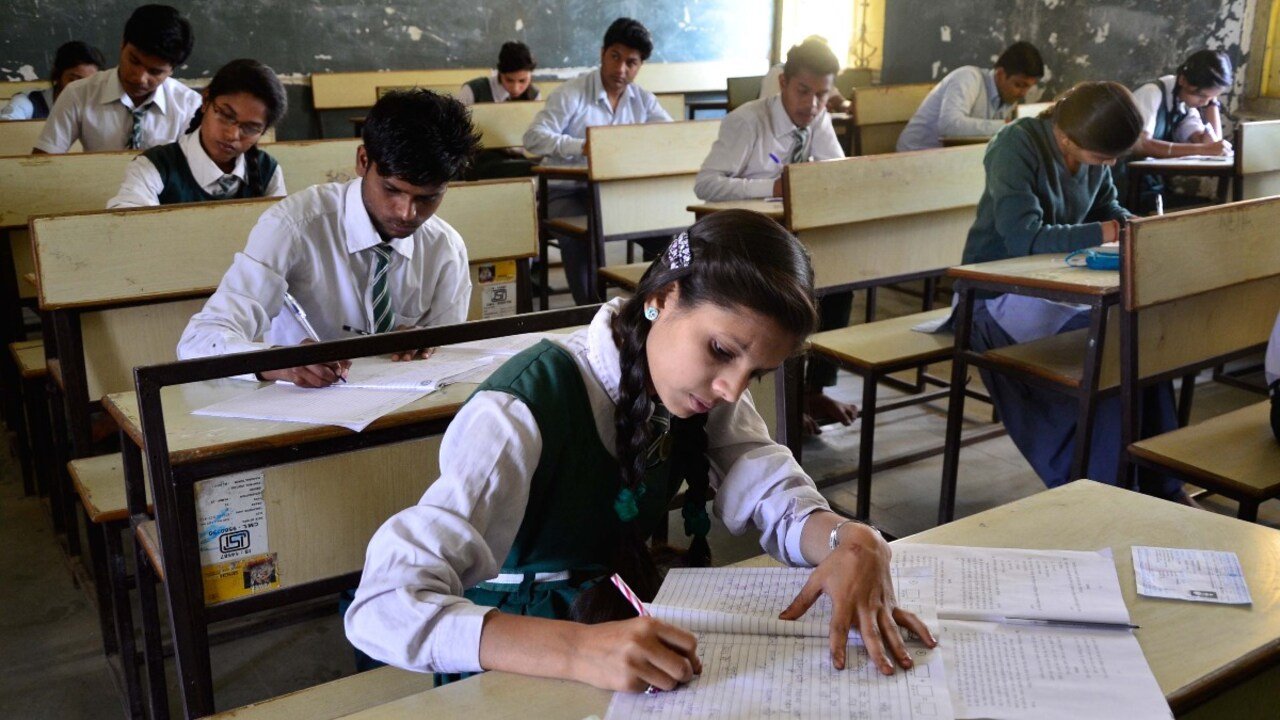

NEET PG 2025 The National Eligibility cum Entrance Test for Postgraduate (NEET PG) is a pivotal examination in India, designed to assess the eligibility of candidates seeking admission into various postgraduate medical courses. With an ever-increasing number of aspirants each year, the significance of NEET PG cannot be overstated; it serves as a gateway to advanced medical education and training, ultimately influencing the quality of healthcare in the nation. The examination for 2025 is particularly noteworthy, reflecting both the demand for medical professionals and the competitive nature of postgraduate medical studies in India.
In 2025, there is a total of 50,000 seats available across various medical colleges for postgraduate courses. However, the recent announcement regarding the existence of 1140 vacant seats following the stray round of allocations has raised alarms among stakeholders in the medical education community. These vacant seats represent a substantial proportion of the overall availability and signify a concerning trend that might impact the future landscape of healthcare professionals in India.
The implications of these vacant seats are multifaceted. Firstly, for aspiring medical professionals, this situation not only limits opportunities but also raises questions about the accessibility and distribution of medical education. It prompts a critical examination of the allocation processes and the policies governing medical admissions. Additionally, from a broader perspective, these vacant seats can lead to workforce shortages in key medical specialties, potentially affecting patient care and access to services in underserved areas. As the healthcare system strives to meet the demands of an ever-growing population, addressing the issue of vacant NEET PG seats will be vital for sustaining the quality and availability of medical services across India.
Understanding the Stray Round Process
NEET PG 2025 The stray round process within the NEET PG admissions framework is a vital mechanism aimed at filling vacant seats in postgraduate medical courses. This process is distinct from the initial rounds of counseling and is specifically designed to allocate seats that remain unfilled after the completion of the regular admission rounds. The stray round typically focuses on vacant seats across various colleges in India, ensuring that these valuable resources are not wasted.
To qualify for the stray round, candidates must have participated in earlier rounds of counseling without securing a seat. Furthermore, they should meet the eligibility criteria set by the respective medical colleges and the examination authorities. It is important for candidates to remain updated regarding announcements from official sources, as the stray round is often held under strict timelines and regulations that may vary each year.
The criteria for filling vacant seats during the stray round include factors such as merit rank, category, and preferences declared by candidates. The procedural steps involve the registration process, wherein candidates are required to express interest in the stray round. Following this, a random allocation of seats is conducted, considering the predefined criteria. Transparency during this process is crucial, ensuring that every participating candidate has a fair opportunity to be considered for an available seat.
There are several reasons why seats may remain vacant after the stray round allocation process. One primary factor could be the lack of awareness among candidates regarding the stray round’s existence or its significance. Additionally, last-minute decisions by some candidates to opt-out, or the limited interest in specific streams or institutions, can also contribute to the persistence of vacant seats. Identifying these gaps is essential for improving communication strategies in future admission cycles, ultimately benefiting aspiring medical professionals.
Government’s Response to Vacancies and NEET Policy
NEET PG 2025 The recent discussions in both the Lok Sabha and Rajya Sabha regarding vacant NEET PG 2025 seats have underscored the government’s steadfast commitment to the National Eligibility cum Entrance Test (NEET) as a cornerstone of India’s medical education framework. Addressing concerns about the increasing number of vacant seats, the government emphasized that the NEET examination is integral to maintaining a standardized process for medical admissions across the country. It is seen as a means to ensure quality and merit-based selection amid ongoing debates about efficiency and accessibility in medical education.
During the parliamentary sessions, several lawmakers articulated their concerns regarding the significant vacancies in postgraduate medical seats, highlighting the potential implications for healthcare delivery and workforce readiness. Some members proposed alternatives, suggesting a reevaluation of the NEET’s structure or even the potential introduction of different admission criteria aimed at addressing the vacancies. However, the government’s formative response reiterated that scrapping NEET would undermine the meritocratic principles intended to drive the selection process for aspiring medical professionals. This stance reflects a broader intention to hold steady on NEET, advocating for its role in enhancing educational standards.
Furthermore, the discussions touched on potential policy implications for future medical admissions in India. The government’s resolve to retain NEET reflects an overarching strategy to streamline medical admissions and emphasize the importance of quality education. By striving to optimize the process rather than abandon it, officials expressed hope for more effective engagement with stakeholders, aiming to fill vacant seats while simultaneously upholding the sanctity of the examination. This commitment signals that, while challenges remain, the NEET framework will continue to shape the future of medical admissions, influencing both student access and the quality of healthcare professionals in India.
Future Outlook for NEET PG Admissions
NEET PG 2025 The landscape of NEET PG admissions is poised for significant transformations, especially considering the recent revelation of 1,140 vacant seats following the stray round outcomes. This scenario presents an opportunity for educational institutions and government bodies to introspect and reform the admission process. It is imperative to speculate on the regulations that may arise in response to these vacancies and the trends observed over the past years.
One potential reform could be the introduction of a more streamlined and user-friendly admission process. By simplifying the application procedures and providing transparent guidelines, stakeholders can encourage a broader pool of candidates to participate. Such measures could mitigate last-minute admissions and reduce the number of unfilled seats. Moreover, integrating technology into the application system may offer efficient data analysis, ensuring that the allocation and admission processes run more smoothly.
In tandem with process reforms, enhancing the awareness and preparedness of prospective candidates through educational initiatives is crucial. Intensive workshops, guidance sessions, and enhanced access to resources can equip students with the knowledge required to navigate the competitive landscape of NEET PG admissions. These initiatives would not only empower candidates but also contribute to a more knowledgeable cohort that is less likely to hesitate in their decisions, ultimately promoting a higher enrollment rate.
Looking forward, the impact of these adjustments could result in a notable increase in filled seats in subsequent years. Both the government and educational institutions have pivotal roles in shaping the future of NEET PG admissions. By addressing the challenges that lead to vacancies and fostering a proactive approach towards candidate engagement, the NEET PG examination system can move towards a more successful and efficient future.