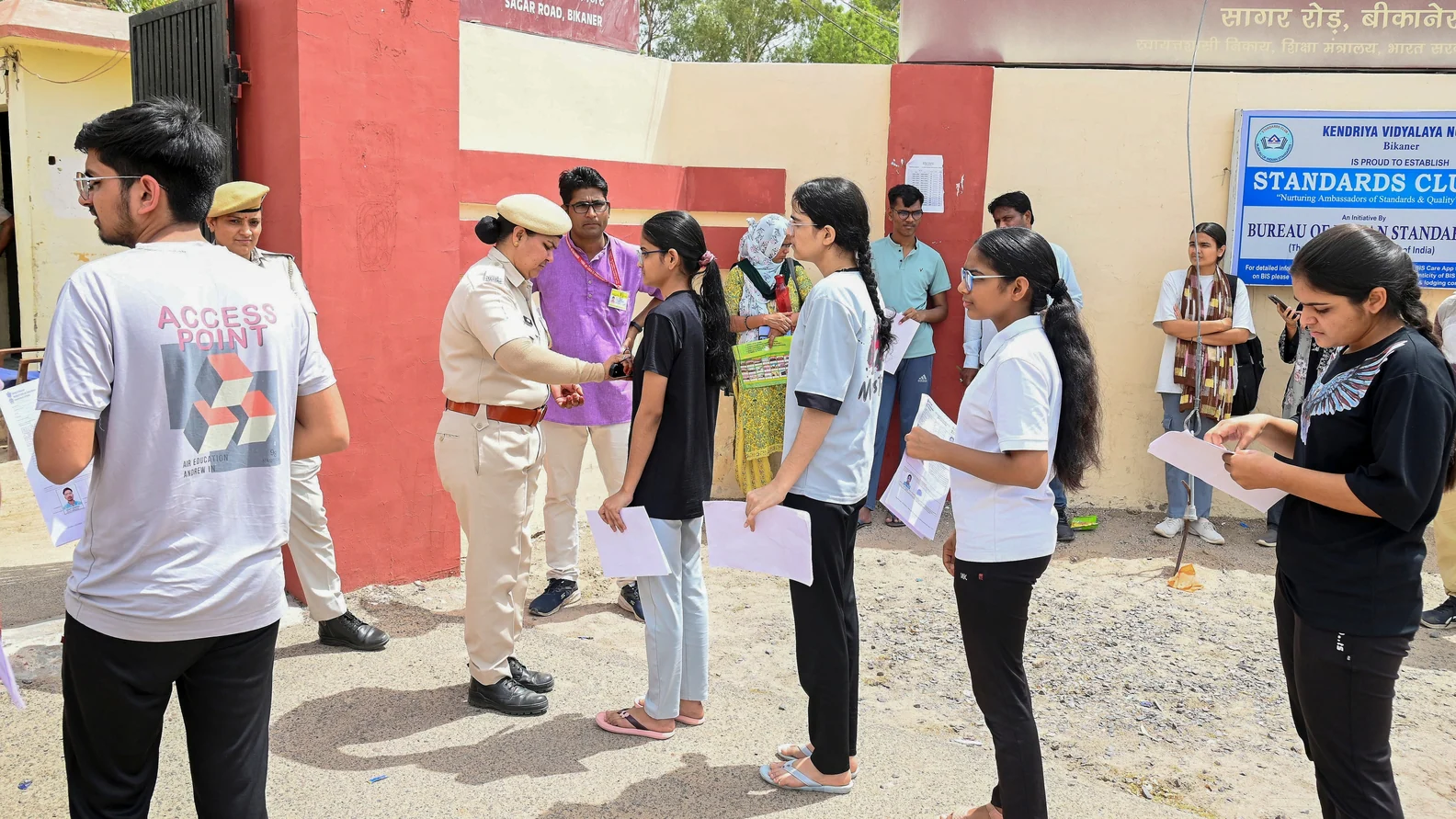
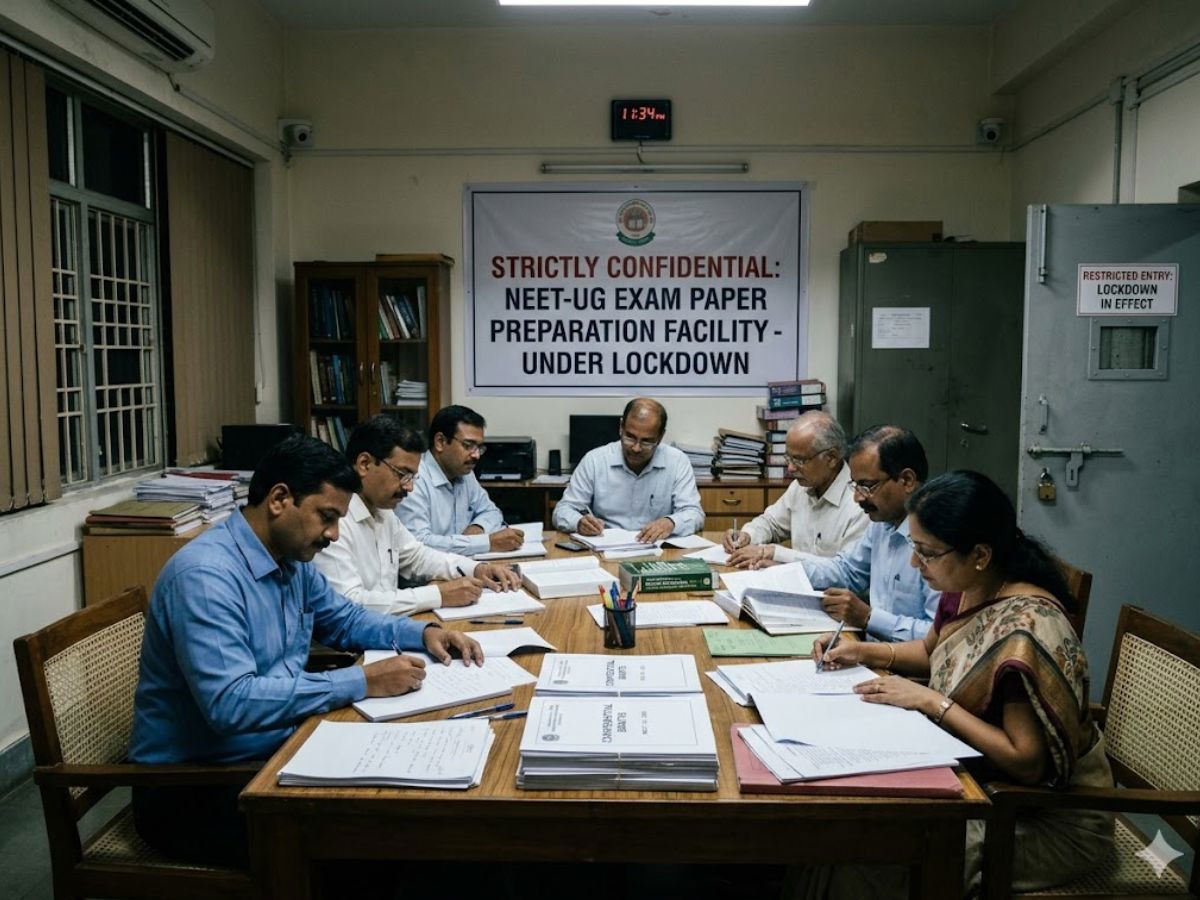

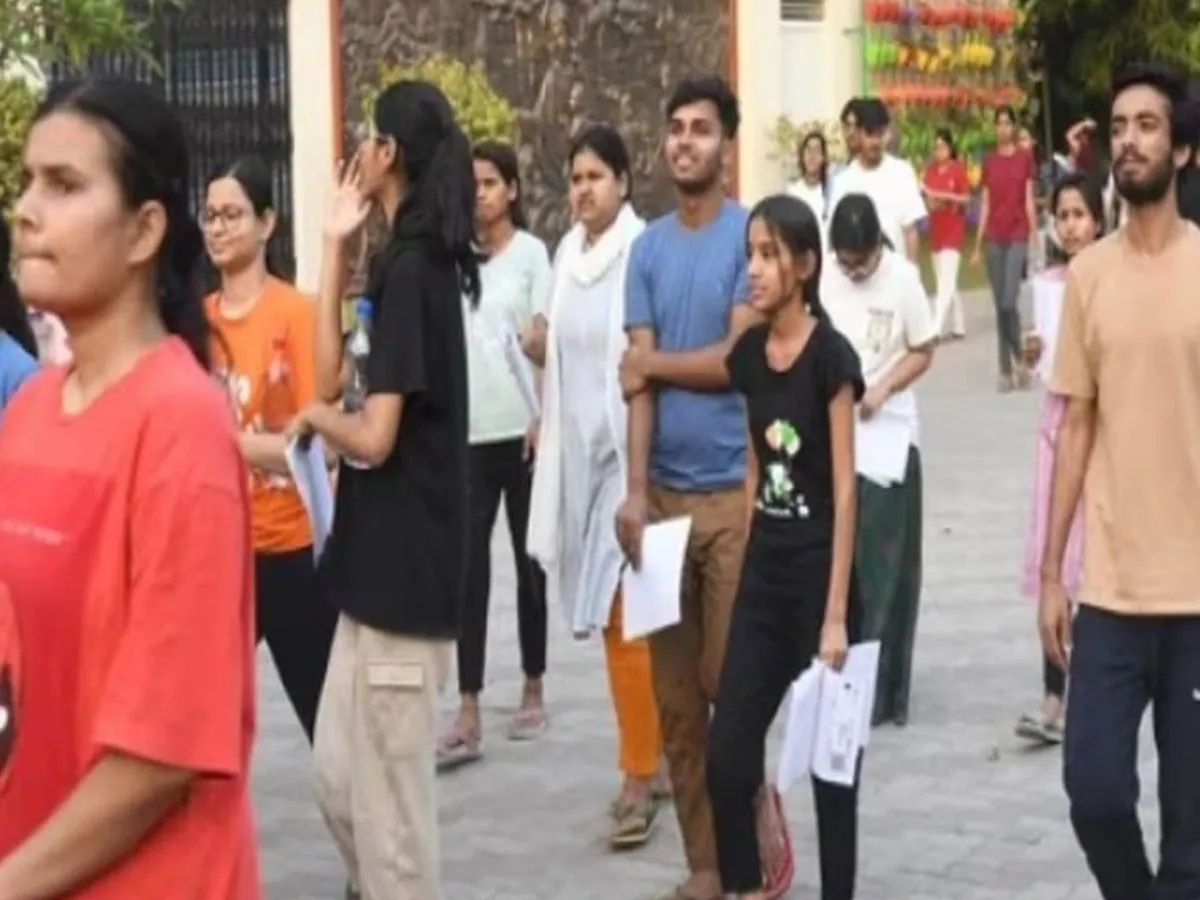

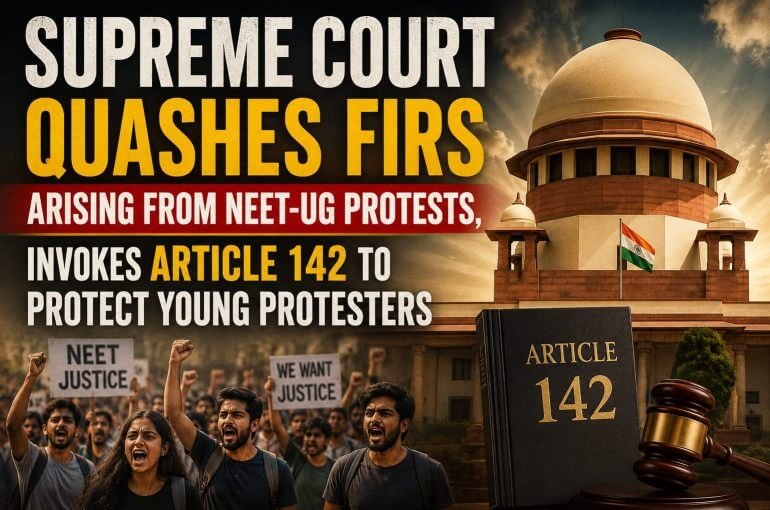
The National Eligibility cum Entrance Test for Undergraduate (NEET-UG) has been a cause of significant contention among students in India since its inception. The protests surrounding NEET-UG stem from a variety of socio-political issues and the overarching implications of standardized examinations on educational equality. Initially introduced to streamline admissions into medical colleges across the country, NEET-UG has become synonymous with challenges and grievances among aspiring medical students.
One of the primary catalysts for the protests has been the perception of unfairness in the NEET-UG examination process. Many students and stakeholders argue that the test exacerbates socio-economic disparities, as those hailing from rural or less privileged backgrounds often face disadvantages due to limited access to quality preparatory resources. Consequently, the protests have emphasized the need for a more equitable admission system that considers diverse backgrounds and varying levels of access to educational opportunities.
Furthermore, the protests have also been fueled by a growing dissatisfaction with the overall education system in India. Students have articulated their concerns regarding the high-stakes nature of the NEET-UG exam, arguing that it creates undue pressure and mental health challenges. This unrest has manifested in various forms, ranging from peaceful demonstrations to more assertive acts of dissent across different regions of the country, showcasing the widespread nature of this issue.
Aside from the inequities in the examination system, students have also raised issues regarding the syllabus, the timing of the examination, and the quality of questions presented. These demands highlight a broader call for reforms not just limited to NEET-UG but extending into the educational framework as a whole, where students advocate for a holistic approach to their educational journeys.
The Supreme Court’s Intervention
The recent protests surrounding the National Eligibility cum Entrance Test for Undergraduate courses (NEET-UG) have drawn significant attention from various sectors of society, prompting the Supreme Court of India to intervene. This intervention was particularly notable given the context of a U.P. magistrate’s notice serve to a student involved in the protests. The Supreme Court’s engagement with this issue demonstrates its commitment to addressing the rights of students amid social unrest and legal disputes.
In response to the notice, the court examined the legal arguments presented, which primarily revolved around the principles of freedom of expression and the right to dissent. The students argued that their participation in the protests was a constitutionally protected right, essential for voicing their concerns over the NEET-UG examination process. The Supreme Court, however, needed to balance these rights against the need for maintaining public order and ensuring the smooth functioning of educational institutions.
The court’s reasoning highlighted the importance of protecting student rights while also considering the legal frameworks that govern peaceful assembly and expression. The ruling emphasized that any action taken against students for participating in protests should be measured and within the confines of the law. This approach not only addressed the immediate concerns regarding the student involved but also set a precedent for future cases concerning student activism.
Moreover, the implications of this ruling extend beyond the individual case. It reinforces the judiciary’s stance on the necessity of safeguarding student rights in the face of administrative or governmental opposition. The Supreme Court’s intervention acts as a reminder that while students must operate within the legal framework, their voices and opinions are valid and worthy of consideration in a democratic society. As protests and calls for reform in educational processes continue, the court’s role in adjudicating such matters will remain crucial.
Reactions from Students and Educational Authorities
The Supreme Court’s recent ruling regarding the NEET-UG protests has sparked a myriad of reactions from various stakeholders within the education sector. Students, who have been at the forefront of these protests, expressed a range of emotions following the verdict. Many students viewed the ruling as a validation of their grievances, believing it emphasized the importance of fair conduct in the examination process. Others, however, felt disheartened, fearing that their voices may not lead to meaningful reform in the system.
In light of the ruling, student leaders have called for sustained dialogue with educational authorities. They argue that the ruling must not only be seen as a legal outcome but as a stepping stone towards addressing wider systemic issues within the NEET examination framework. This sentiment resonates particularly among those advocating for transparency and fairness in medical admissions, which they believe can be enhanced through student input and public engagement.
Educational institutions and authorities have also reacted strongly to the court’s decision. Many leaders in the educational sector have come forward to articulate their stances, with several emphasizing the necessity to maintain a balance between judicial mandates and institutional policies. Some educational institutions have taken immediate steps to convene meetings to discuss the implications of the ruling. They aim to create strategic responses that align with both legal expectations and the needs of students.
Government officials have similarly acknowledged the ruling’s significance, recognizing it as an opportunity to reassess existing policies regarding the NEET examination and its administration. Discussions have begun about potential amendments to enhance the efficacy of the examination process. Such reforms could address long-standing issues raised by students and reflect a commitment to educational integrity.
As the discussions unfold, it is evident that both students and educational authorities must navigate this complex landscape together. Their collaboration could ultimately lead to a more robust framework for addressing the academic aspirations and concerns of future educators and healthcare professionals.
The Future of NEET-UG Examinations and Protests
The Supreme Court’s ruling on the NEET-UG protests has significantly influenced the discourse surrounding medical admissions in India. As stakeholders, including students, educational institutions, and policymakers assess the implications of the Court’s decision, the future trajectory of NEET-UG examinations appears poised for scrutiny and potential transformation. The controversies surrounding NEET-UG have highlighted myriad concerns regarding the examination format, accessibility, and fairness in selection procedures.
In the wake of the ruling, one can anticipate a heightened call for reforms aimed at addressing the grievances of aspirants. Stakeholders may advocate for changes that enhance transparency and ensure equitable opportunities for all candidates. For instance, discussions around the reduction of examination stress and improvements in the distribution of seats may gain traction, particularly in light of the recent protests. Furthermore, the possibility of introducing additional pathways to medical education could be explored as a means to alleviate the pressures associated with a single national entrance test.
The likelihood of further protests cannot be ruled out. As students remain vocal about their demands for a more inclusive and representative admission process, any perceived inadequacy in the implementation of reforms may trigger renewed activism. Public opinion will likely play a pivotal role in shaping the direction of future protests and their reception by policymakers. A growing awareness among students and parents about the challenges of NEET-UG could foster a more organized and nationwide approach to advocating for change.
Moreover, the legal and social context surrounding the NEET-UG examinations will undoubtedly inform policymaking in the near future. Legislative bodies may need to engage in dialogues that encompass the diverse perspectives of stakeholders involved, ensuring that the educational framework adapts to the evolving demands of society. As the landscape of medical admissions continues to evolve, a proactive approach is essential to address not just the immediate concerns, but also to anticipate the long-term impact of the current situation.