


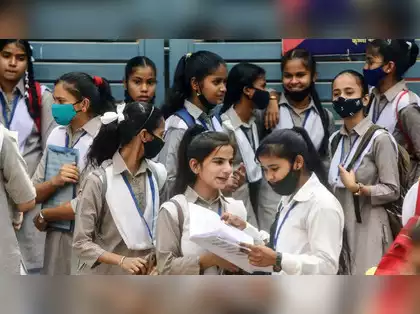

NTA The National Eligibility cum Entrance Test (NEET-UG) serves as a pivotal examination for aspiring medical students in India. Conducted by the National Testing Agency (NTA), this examination is essential for students seeking admission to undergraduate medical courses in various esteemed institutions across the country. The integrity of NEET-UG is paramount, not only for maintaining standards in medical education but also for ensuring a fair and level playing field for all candidates.
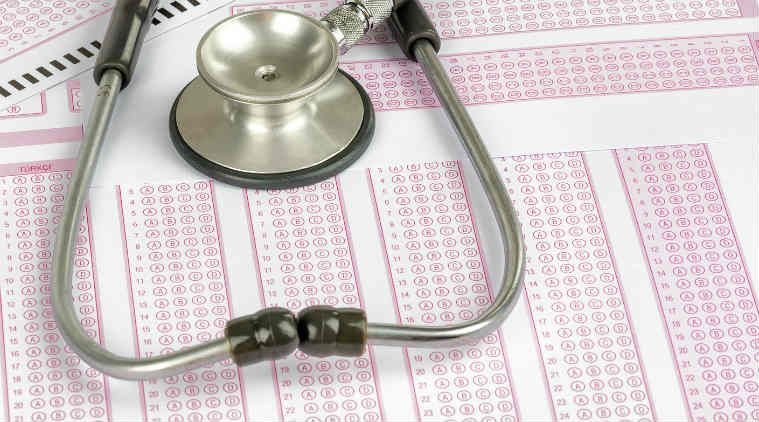
NEET-UG assesses candidates’ knowledge in subjects such as Physics, Chemistry, and Biology, and it is crucial that the evaluation process is transparent and reliable. Central to this evaluation is the Optical Mark Recognition (OMR) sheet, a paper-based answer sheet where candidates mark their answers. The correct collection, handling, and processing of these OMR sheets are vital as they directly affect the scoring and the candidates’ future academic endeavors. Any discrepancies or irregularities in handling these sheets can have profound implications on the integrity of the test results.
The significance of NEET-UG extends beyond mere academic performance; it is a gateway to one of the most prestigious professions in the country. Medical students play a crucial role in the healthcare system, and consequently, the selection process must uphold the highest standards of accuracy and fairness. The recent warnings issued by the NTA regarding fake or AI-generated OMR sheets underscore the necessity for stringent measures to preserve the examination’s credibility. Ensuring the sanctity of NEET-UG is critical not only for the individuals aspiring to become healthcare professionals but for the broader Indian healthcare landscape and its reputation.
The Threat of Fake and AI-Generated OMR Sheets
The recent concerns raised by the National Testing Agency (NTA) regarding fake and AI-generated Optical Mark Recognition (OMR) sheets highlight a pressing issue within the education sector. These fraudulent sheets threaten not only the integrity of the examination process but also the future prospects of students who labor diligently to prepare for crucial assessments like the NEET-UG.
The technology underpinning AI-generated OMR sheets has developed rapidly and can now mimic genuine examination sheets with alarming accuracy. Advanced algorithms can analyze and replicate typical answer patterns, thus creating the potential for impersonation and dishonest practices among examinees. This raises serious questions about the authenticity of results and the overall reliability of the testing mechanisms implemented by educational authorities.
The implications of utilizing fake or AI-generated OMR sheets extend beyond individual cases; they pose a significant risk to the educational system. For instance, if such practices become widespread, the value of qualifications could be undermined, leading to a loss of confidence in assessment bodies. Moreover, students who resort to dishonest methods place themselves at risk of legal consequences, which can have lasting repercussions on their academic and professional careers.
Anecdotal evidence and statistical data suggest a noticeable rise in cases of fraudulent activity associated with standardized tests. Reports have indicated that institutions have uncovered OMR sheets that display discrepancies when analyzed under standard protocols, indicating potential tampering and forgery. As the NTA intensifies its efforts to combat these fraudulent practices, students must remain vigilant and ethical in their approach to examinations.
NTA’s Response and Measures to Combat Fraudulence
The National Testing Agency (NTA) has proactively addressed the recent emergence of fake OMR (Optical Mark Recognition) sheets associated with the NEET-UG examination. Recognizing the potential threat posed by these fraudulent practices, the NTA has introduced a set of stringent measures aimed at safeguarding the integrity of the examination process. Central to these initiatives is the implementation of enhanced verification protocols for OMR sheets submitted by candidates.
To ensure the authenticity of each paper, the NTA has deployed advanced technologies and established a verification system that cross-checks the information provided by candidates against their profiles. Educational institutions conducting NEET-UG are also required to adhere to specific guidelines pertaining to the administration of the examination, aiming to minimize the risk of fraudulent activities. This includes mandatory training for staff responsible for overseeing the examination process, as well as protocols that facilitate real-time monitoring of examination centers.
Moreover, the NTA has issued an advisory to students, urging them to remain vigilant against scams related to the NEET-UG. Students are encouraged to familiarize themselves with legitimate channels for submission of OMR sheets and to report any suspicious activities immediately. The NTA has emphasized that candidates should avoid engaging with third-party services claiming to provide assistance in altering or generating OMR sheets, as such practices are illegal and could result in severe consequences.
In light of this situation, the NTA plans to take decisive legal action against individuals or entities associated with the distribution or creation of counterfeit OMR sheets. By reinforcing these measures, the NTA aims not only to uphold the credibility of the NEET-UG examination but also to foster a fair competitive environment for all aspiring medical students.
The issuance of warnings by the National Testing Agency (NTA) regarding counterfeit or AI-generated OMR sheets indicates a serious breach of examination integrity and carries significant legal ramifications for those involved. In India, the adoption of such fraudulent materials may invoke several legal statutes aimed at upholding the sanctity of the examination process.
Under the Indian Penal Code (IPC), provisions related to forgery (Section 463) and cheating (Section 415) can be applied to those who create or utilize artificial OMR sheets. Engaging in these acts not only violates academic integrity but could also lead to imprisonment and fines. Moreover, if someone is caught using or creating fake materials, they could be charged under the Information Technology Act, particularly if the technology employed includes unauthorized software or algorithms to generate these documents.
Examination authorities like the NTA are responsible for enforcing strict measures to maintain exam integrity. They have the authority to take legal action against offenders, which might include filing criminal complaints or pursuing civil remedies for damages the institution might incur as a result of these fraudulent activities. Such responses underscore the seriousness with which these breaches are viewed and the extensive ramifications they entail.
Furthermore, students found guilty of utilizing these fraudulent means face dire consequences, including disqualification from the examination, cancellation of their results, and possible restrictions on future admissions into higher education institutions. For instance, there have been documented cases in the past where individuals were barred from multiple competitive examinations due to fraudulent behavior. These precedents illustrate the stringent measures that can be imposed by education authorities and the judicial system alike.
The message is clear: the risks associated with engaging with fake or AI-generated OMR sheets far outweigh any potential benefits. All stakeholders, including students and creators, must recognize the gravity of this issue and act in compliance with established laws to ensure a fair examination process.