


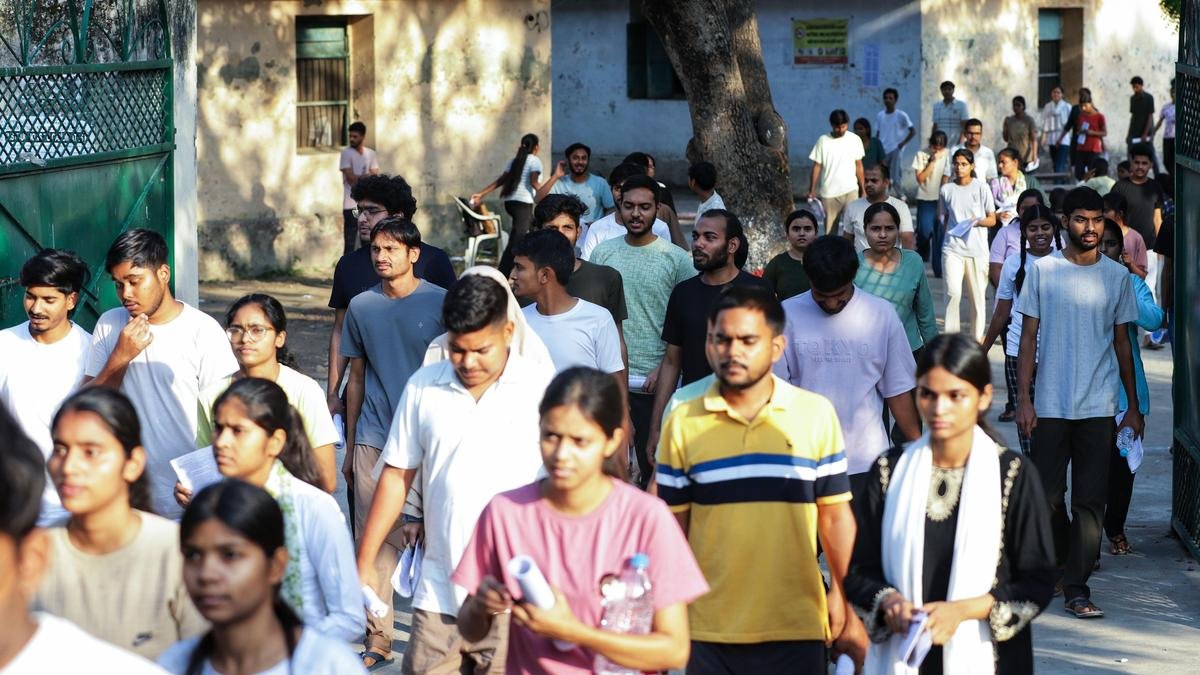
NEET UG In recent weeks, the National Eligibility cum Entrance Test (NEET) Undergraduate (UG) 2026 examination has come under scrutiny following serious allegations of a paper leak. These claims stem from a whistleblower from Rajasthan, who has brought attention to purported irregularities in the administration of the exam. The NEET UG is a crucial examination in India’s medical education landscape, serving as the gateway for aspiring medical students to secure admissions into various colleges across the country. Thus, any allegations regarding its integrity are inherently significant.
The whistleblower’s assertions center on the possibility that some individuals may have had access to the examination papers prior to the test date. Such accusations, if validated, could not only undermine the credibility of the NEET UG but could also have widespread repercussions on the students who rely on this examination to further their academic pursuits. The allegations have sparked intense discussions among stakeholders, including educational institutions, regulatory bodies, and students themselves, all of whom have a vested interest in maintaining the integrity of the examination process.
The ramifications of these claims extend beyond mere speculation, raising urgent questions about examination security and the broader implications for admissions in the medical field. The media has extensively covered this issue, amplifying public interest and driving the conversation around the need for increased transparency and accountability in such high-stakes examinations. As more information becomes available, it is essential to approach the situation with an open mind, allowing for a thorough investigation while also considering the impact on innocent candidates.
Details of the Whistleblower’s Claims
The allegations made by the Rajasthan whistleblower regarding the NEET UG 2026 exam have created significant concern among students, educators, and policymakers alike. The whistleblower, whose identity remains confidential for security reasons, claims that there was a systematic leak of the exam paper, which undermines the integrity of the National Eligibility cum Entrance Test (NEET).
A crucial aspect of the whistleblower’s claims is the presentation of a viral PDF, which purportedly contains the actual questions from the NEET UG 2026 exam. This document has circulated widely on various social media platforms, sparking outrage and disbelief among the candidates who prepared rigorously for the examination. The whistleblower asserts that this PDF not only shows the questions but also indicates a preparatory network that could compromise the examination’s fairness.
In terms of motives, the whistleblower has expressed a strong commitment to transparency and fairness in educational assessments. Although details about their background remain undisclosed, reports suggest that they possess a deep understanding of academic ethics and have previously worked in educational institutions. This credibility lends weight to their assertions and adds to the urgency of an investigation into these claims.
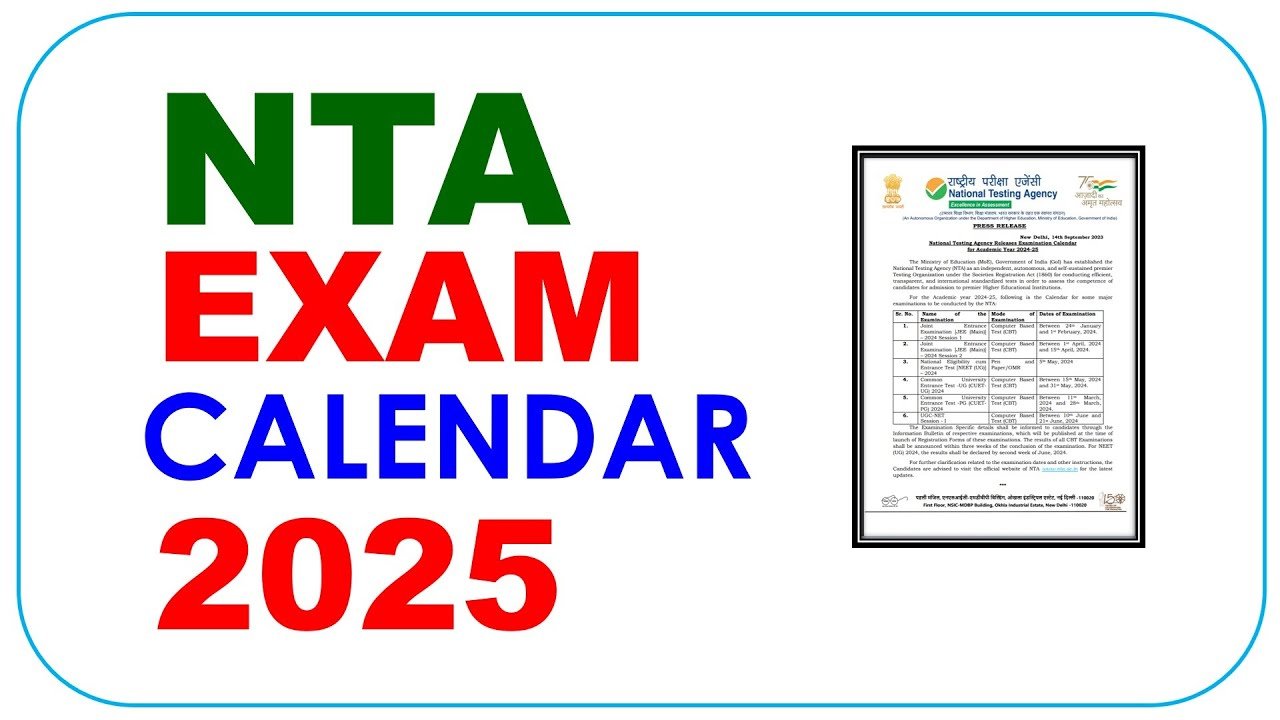
Authorities have been prompted to respond following the rise in public concern. The National Testing Agency (NTA), responsible for conducting the NEET exam, has stated that they are fully committed to investigating these allegations. They have emphasized their zero-tolerance policy toward examination malpractices. However, the response has been met with skepticism, as many stakeholders demand transparency about the investigation’s progress and outcomes. Ensuring the integrity of the examination process is paramount, and continued scrutiny of these allegations may reveal critical information about systemic failings in the current examination setup.
Reactions from Educational Authorities and Stakeholders
The recent allegations surrounding a potential paper leak for the NEET UG 2026 examination have prompted substantial responses from various educational authorities and stakeholders. The National Testing Agency (NTA), which is responsible for conducting NEET exams, has taken these claims seriously, issuing a public statement to address the concerns raised. They emphasized their commitment to upholding the integrity of the examination process and assured that a thorough investigation would be launched to ascertain the veracity of the whistleblower’s claims.
Government educational bodies have also expressed their apprehensions regarding the matter. With the integrity of medical entrance examinations being paramount, officials have been vocal about their determination to safeguard the examination process. They have stressed the importance of transparency and have stated that any evidence supporting the allegations will be thoroughly examined, and necessary actions will be taken against any party found culpable.
Students and parents, on the other hand, have reacted with a mixture of concern and frustration. Many prospective candidates view the integrity of the NEET examination as crucial to their future career prospects in the medical field. The possibility of a paper leak has raised fears about the fairness of the upcoming examination and has led to calls for immediate action to ensure that such incidents do not undermine their efforts and the system as a whole. Educational institutions, meanwhile, are advocating for prompt measures to reassure students and parents that the examination will be conducted fairly. They are pushing for regular updates from the NTA to ensure that all stakeholders remain informed about the outcomes of the investigation.
Overall, the reactions from both authorities and stakeholders highlight the gravity of the allegations and the collective desire to maintain the integrity of the NEET examination amidst rising tensions and uncertainty.
Potential Implications for NEET and Future Examinations
The recent allegations surrounding the NEET UG 2026 paper leak have brought to the forefront several potential implications for the examination process itself, as well as future assessments conducted under similar protocols. Such claims naturally raise concerns regarding the reliability and security of standardized tests, particularly one as significant as the NEET, which plays a crucial role in the medical admissions ecosystem in India.
One immediate implication is the potential for the implementation of stringent security measures in the examination administration. Educational authorities may need to overhaul current examination protocols to prevent any further incidents of malpractice. This could include enhanced digital surveillance during examinations, more sophisticated identity verification procedures, and stringent penalties for breaches of examination confidentiality. By adopting these measures, the examination boards can work towards reinforcing the integrity of the assessment process.
Moreover, the fallout from such allegations could significantly affect students’ trust in the examination system. When incidents of paper leaks occur, they not only undermine the credibility of the examination but also raise doubts among candidates about the fairness of their academic efforts. Students may feel disillusioned, leading to anxiety about the authenticity of their performance and possibly affecting their exam preparation strategies. Sustaining a trust-based relationship between students and the testing authority is crucial for the overall credibility of the examination process.
Furthermore, the ripple effects of this incident could catalyze policy changes aimed at enhancing assessment integrity. Educational institutions and governing bodies may be compelled to establish a more transparent process, including mechanisms for accountability and redressal of grievances, which would ultimately benefit both students and institutions. Transparency not only helps to build trust but can also act as a deterrent against potential misconduct in the future. Thus, the implications of this paper leak allegation extend far beyond the immediate scandal, potentially reshaping the landscape of educational assessments in the years to come.