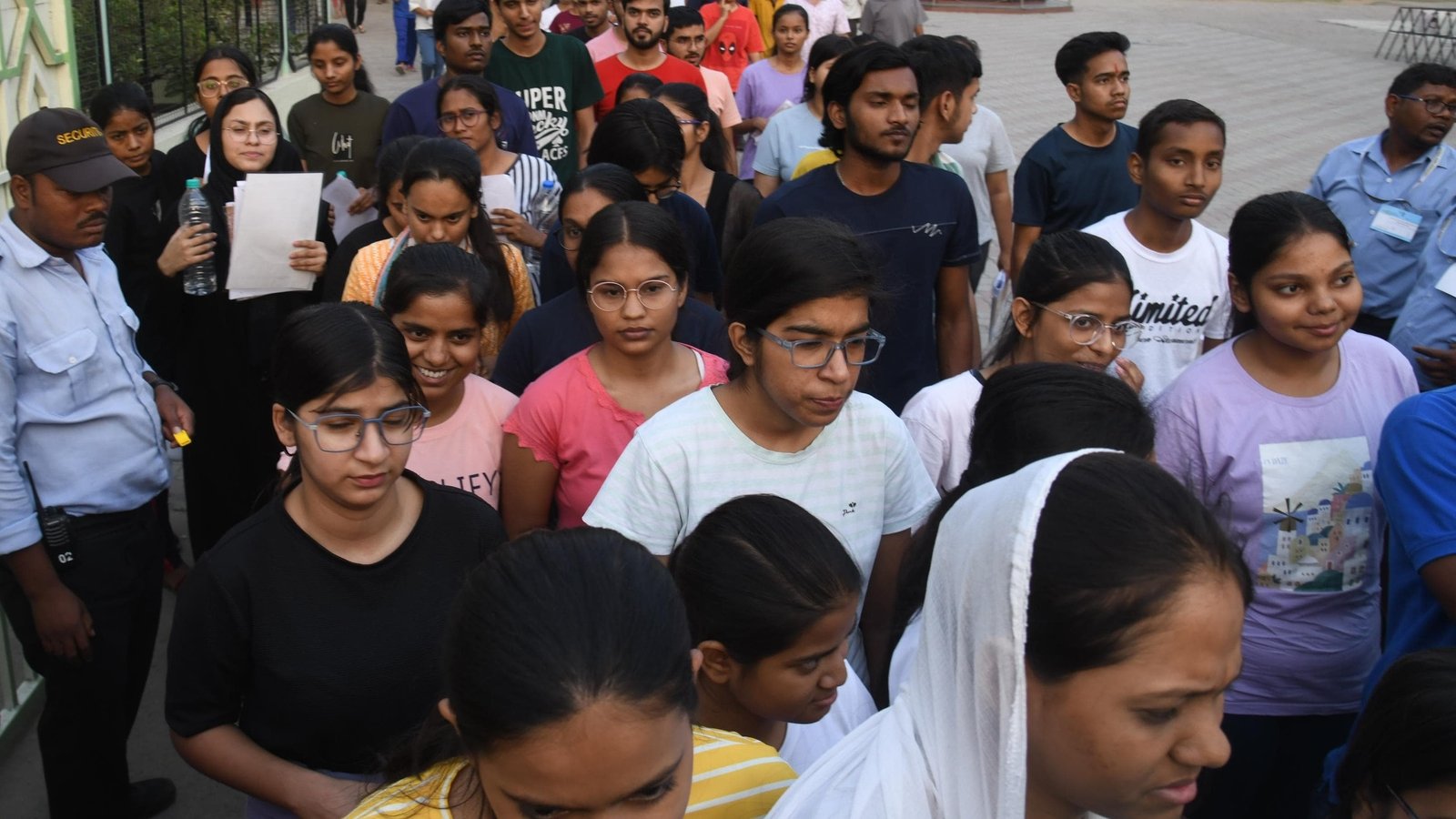







NEET-UG 2026 The National Eligibility cum Entrance Test for Undergraduates (NEET-UG) is a pivotal examination for students aspiring to enter medical colleges across India. Conducted by the National Testing Agency (NTA), the NEET-UG serves as a standardized entrance test aimed at assessing candidates’ suitability for undergraduate medical programs in various institutions, including government and private medical colleges. This examination not only evaluates the knowledge of students in science subjects but also plays a crucial role in determining their future in the medical profession.
NEET-UG is structured to include multiple-choice questions, primarily based on the syllabi of Physics, Chemistry, and Biology as prescribed by the National Council of Educational Research and Training (NCERT). The exam consists of a total of 180 questions, with 90 from Biology and 45 each from Physics and Chemistry. Each question carries four marks, and incorrect answers lead to a negative marking, which adds to the competitive nature of the test. The test is usually conducted once a year, and by achieving a qualifying score, candidates can seek admission to esteemed medical institutions.
The significance of NEET-UG extends beyond its role as a mere entrance examination; it is essential for establishing a level playing field in medical admissions. Prior to NEET, different states and universities conducted their own entrance tests, leading to discrepancies and varying levels of competition. With the introduction of NEET-UG, the examination standardized the process nationwide, enabling students from diverse backgrounds to compete for limited seats in medical colleges. Therefore, for those looking to pursue a career in medicine, excelling in the NEET-UG is an indispensable part of their educational journey.
The Importance of the NEET-UG Application Deadline
NEET-UG 2026 The National Eligibility cum Entrance Test for Undergraduate (NEET-UG) serves as a crucial gateway for aspiring medical students in India. The application process for this examination involves several key steps, the most vital of which is adhering to the stipulated timelines. Specifically, students must complete their applications before the designated deadline to secure their positions among the competition for medical college admissions.
Missing the application deadline can lead to significant repercussions for candidates. Firstly, it eliminates their chances of participation in the examination, thereby foreclosing their opportunity to pursue a career in medicine for that academic year. Furthermore, given the highly competitive nature of NEET-UG, where each year thousands of candidates vie for limited seats in public and private medical institutions, any lapse in adherence to application timelines can severely disadvantage students.
In addition to losing the chance to apply, students missing the application deadline may also face emotional and psychological stress, contributing to a feeling of disillusionment. This stress is exacerbated by the acknowledgment that their peers who successfully submitted their applications continue to advance toward achieving their academic goals. Moreover, the NEET-UG examination often takes place only once a year, meaning those who miss the deadline must wait another full cycle, effectively delaying their educational aspirations.
Therefore, students must recognize the critical importance of the application deadline within the NEET-UG framework. Planning, time management, and early preparation can aid in ensuring that prospective candidates meet the necessary requirements set forth by the National Testing Agency (NTA). Ultimately, a proactive approach to the application timeline is essential for any student aspiring to enter the medical profession through the NEET-UG examination.
The High Court’s Decision: Legal Perspective
NEET-UG 2026 Recently, the Andhra Pradesh High Court delivered a ruling that has garnered significant attention regarding the National Eligibility cum Entrance Test for Undergraduates (NEET-UG). The court denied relief to a group of students who failed to submit their applications by the deadline set for the examination. This decision underscores the strict adherence to procedural regulations established in educational law, reinforcing the notion that deadlines are critical for maintaining order and fairness in the examination process.
The court’s reasoning centered around the absence of strong humanitarian grounds to warrant an exception to the established deadlines. While the students argued that unforeseen circumstances led to their inability to apply on time, the court maintained that educational institutions must uphold their timelines to ensure a structured and fair selection process for all candidates. Legal precedents in similar cases have emphasized that deviation from the stipulated rules could precipitate an avalanche of requests for exceptions, ultimately undermining the integrity of the examination system.
Additionally, the court made it clear that while it understands the aspirations of the students, leniency in such cases could lead to complications in governance of future examinations. Established legal frameworks often prioritize the rule of law over individual pleas, primarily to ensure equitable treatment of all students involved. This ruling serves as a reminder of the importance of adhering to deadlines and the legal underpinnings that safeguard the examination integrity. In reviewing the implications of this verdict, it is evident that students must take greater responsibility for their application processes, as the courts are unlikely to intervene in routine procedural matters in the absence of compelling justification.
Implications for Students and Future Prospects
The recent ruling by the Andhra Pradesh High Court, which denied relief to students who missed the NEET-UG 2026 application deadline, carries significant implications for those individuals and for future candidates aspiring to enter medical education. For the students affected, the immediate consequence is the absence of opportunity to participate in this critical examination, which serves as a gateway to numerous medical colleges across India. This may hinder their academic progression and professional ambitions, leading to disillusionment in their educational journey.
Moreover, the ruling illuminates potential challenges that may arise for future NEET-UG applicants. Primarily, there is a pressing need for enhanced awareness regarding application timelines. The ruling emphasizes the importance of students being well-informed about crucial deadlines and procedures. In an ever-competitive field such as medical education, missing an application deadline can result in a loss of valuable time and opportunities. Students must be proactive and diligent in tracking the timelines to avoid the pitfalls experienced by their predecessors.
Furthermore, the ruling may also lead to increased scrutiny of the application processes by regulatory authorities. There may be an impetus to reform existing practices to ensure that students receive adequate guidance through timely notifications and updates regarding important dates. This could foster a more accessible and supportive environment for prospective medical students. The implications extend beyond individual challenges; they raise concerns regarding systemic preparedness, prompting educational institutions to play a more active role in ensuring that students are equipped with the necessary information to navigate the complexities of medical education opportunities.