





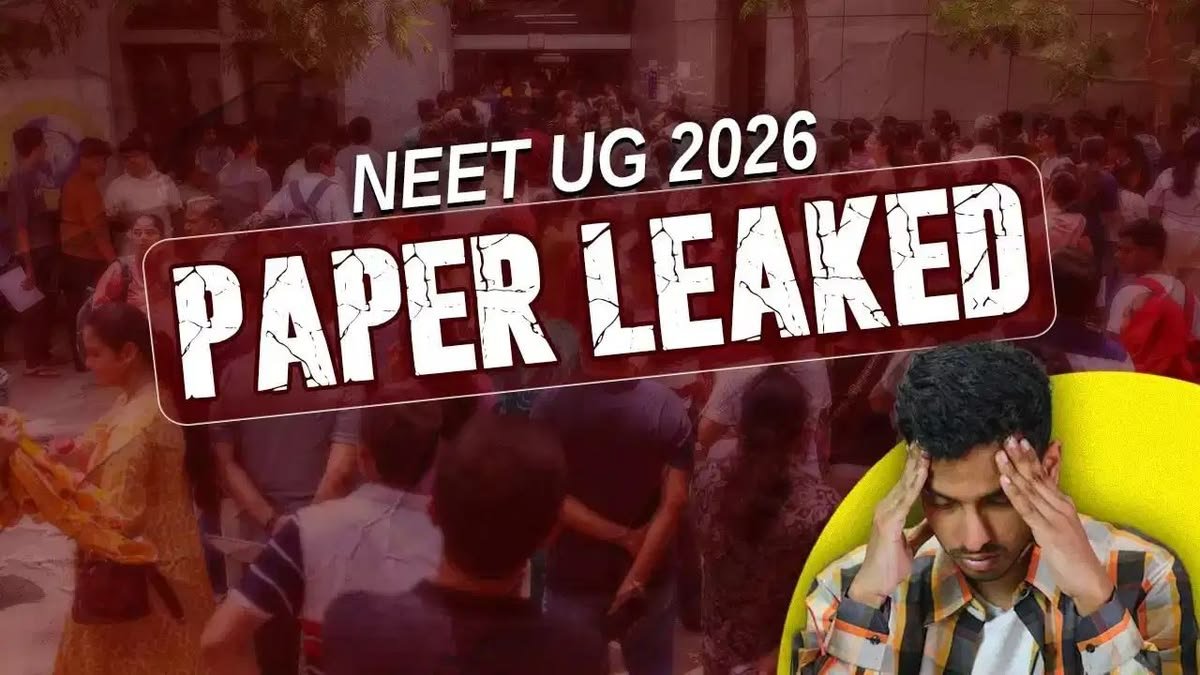
Amid NEET Backlash The realm of competitive examinations in India has recently been marred by a series of controversies that threaten the integrity and credibility of the educational system. Central to this discourse are significant examinations such as the National Eligibility cum Entrance Test (NEET) and the Teacher Eligibility Test (TET), both of which play pivotal roles in determining the professional trajectories of countless students across the country. NEET serves as the gateway for aspiring medical students, while TET is crucial for those seeking to enter the teaching profession.
In light of recent incidents, including the Maharashtra TET 2026 paper leak, many stakeholders have raised concerns regarding the efficacy of examination processes and the government’s ability to safeguard the integrity of these assessments. The controversy surrounding the leaked TET paper poses a critical question: if examination integrity is compromised, what does this mean for the future of prospective teachers and the overall quality of education in India?
Furthermore, the fallout from such leaks not only impacts the students who prepare tirelessly for these competitive tests but also diminishes public trust in the educational system as a whole. Students dedicate significant time and resources to prepare for these examinations, and incidents of malpractice can lead to disillusionment and unfair disadvantages for earnest candidates. This erosion of trust may have far-reaching implications, as it raises doubts about the legitimacy of scores and qualifications across all facets of education.
As these controversies unfold, the need for stringent reforms and enhanced security measures in examination administration has never been more critical. Addressing the concerns surrounding NEET and TET will be essential in restoring student confidence and ensuring that the pathways to educational and professional success remain untainted by scandal.
The Maharashtra TET 2026 Paper Leak Incident
The Maharashtra Teacher Eligibility Test (TET) 2026 paper leak has emerged as a significant controversy, raising pressing questions about the integrity of the examination system. The incident reportedly came to light when candidates preparing for the test discovered discrepancies in the question papers circulated just days before the scheduled exam date. Investigations revealed that the leaked documents contained answers that bore a striking similarity to those provided in unofficial preparatory materials circulated within certain coaching circles.
In response to these alarming developments, the Maharashtra State Examination Council (MSEC) convened an emergency meeting to address the situation. The council swiftly announced the postponement of the examination, citing the need to uphold educational standards and ensure a fair testing environment for all candidates. The authorities also indicated that a thorough investigation would be launched to ascertain how the paper leak occurred and who might be responsible. This incident has not only sparked outrage among aspiring teachers but also raised concerns among educators about the vulnerabilities within the examination process.
The fallout from the paper leak has been monumental, with many stakeholders expressing their views on the implications for the future of teacher recruitment. Students preparing for the TET have voiced frustration, feeling that their hard work and determination have been undermined by the misconduct of a few. Educators, on the other hand, have called for stricter measures to prevent such incidents, suggesting that enhanced security protocols and transparency in examination procedures are essential for restoring public confidence.
Experts in the education sector have echoed these sentiments, stressing that the integrity of examinations like the TET is crucial for maintaining a high standard of teaching. They argue that if such leaks continue to occur, it will not only diminish the value of teaching credentials but also affect the quality of education in Maharashtra. The urgency for reform in the examination system has never been more pronounced.
Public Reaction and Government Accountability
The recent paper leak of the Maharashtra Teacher Eligibility Test (TET) has ignited considerable public outcry, particularly in light of prevailing issues surrounding the National Eligibility cum Entrance Test (NEET). The outpouring of frustration and disbelief on social media platforms reflects a growing sentiment of disillusionment among students and educators alike. Many users have taken to Twitter and Facebook to voice their concerns, with hashtags such as #TETLeak and #IsThereAnyExamLeft trending in response to the scandal. This public discourse has prompted widespread calls for accountability from governmental authorities.
Notably, numerous protests have emerged across various cities in Maharashtra, with demonstrators demanding immediate action and transparency from the government. Students and aspiring teachers feel that their future is jeopardized by recurring instances of exam malpractices, leading to questions about the integrity of the education system. Educational forums have also seen heated discussions focusing on the implications of the TET paper leak, echoing sentiments similar to those raised during the NEET controversies.
In response to the public pressure, government officials have issued statements promising thorough investigations and reforms aimed at mitigating future incidents. They emphasize the importance of upholding examination credibility and maintaining student trust in the evaluation process. Yet, the effectiveness of these promises remains to be seen, raising critical questions about the overall accountability of the government; can they truly ensure a fair environment for competitive examinations?
When comparing the public’s reaction to the NEET and TET controversies, it becomes evident that the parallels are compelling. Both situations underscore a crisis in the examination framework, leading to widespread calls for change. The questions linger: how can the government restore faith in these critical testing processes, and what measures will be put in place to avert similar issues in the future?
Implications for the Future of Educational Assessments
The Maharashtra Teacher Eligibility Test (TET) paper leak incident sheds light on the significant vulnerabilities within the educational assessment systems in India. This breach has raised substantial concerns regarding the integrity and credibility of examinations, not just the TET but potentially affecting other standardized tests as well. With the ongoing backlash surrounding the NEET examination and its own controversies, there is growing anxiety among students and parents alike about the reliability of these assessments. Such incidents can severely impact student morale, leading to increased skepticism towards examinations that are traditionally seen as gateways to professional opportunities.
A key implication of these controversies could be a re-evaluation of government policies concerning exam integrity. Lawmakers may feel compelled to introduce stricter regulations aimed at safeguarding the examination processes, which may include enhanced security protocols, randomization of question papers, and improved technology solutions to detect malpractices. Additionally, educational institutions will likely face increased pressure to establish more robust frameworks that ensure transparency and uphold academic standards. The credibility of educational institutions could be jeopardized if such vulnerabilities are not addressed promptly.
Amid NEET Backlash Moreover, this incident necessitates a comprehensive reform of the examination processes, placing emphasis on better oversight and transparency. Stakeholders should advocate for the adoption of technologies such as blockchain for question paper distribution or digital platforms that allow real-time monitoring of exam conduct. By implementing these measures, the educational sector can regain trust and reinforce a commitment to maintaining rigorous assessment standards. As the educational landscape evolves, it is critical that authorities act decisively to restore confidence in exam standards, ensuring that future assessments can adequately reflect the competence and readiness of students aspiring to enter teaching and other professional fields.