




NEET Five months after the 2024 National Eligibility-cum-Entrance Test (NEET-UG), the controversy remained a test of confidence in India’s largest medical entrance examination. The exam, held on May 5, drew scrutiny after allegations that question papers had been obtained before the test and circulated to candidates. Reports of arrests, unusually high scores (NEET) and errors in the initial results intensified public concern. For students and families, the issue was not only whether individual candidates had gained an unfair advantage, but whether a national ranking could still be trusted. Education authorities faced pressure to explain how the paper was secured and how complaints were assessed.
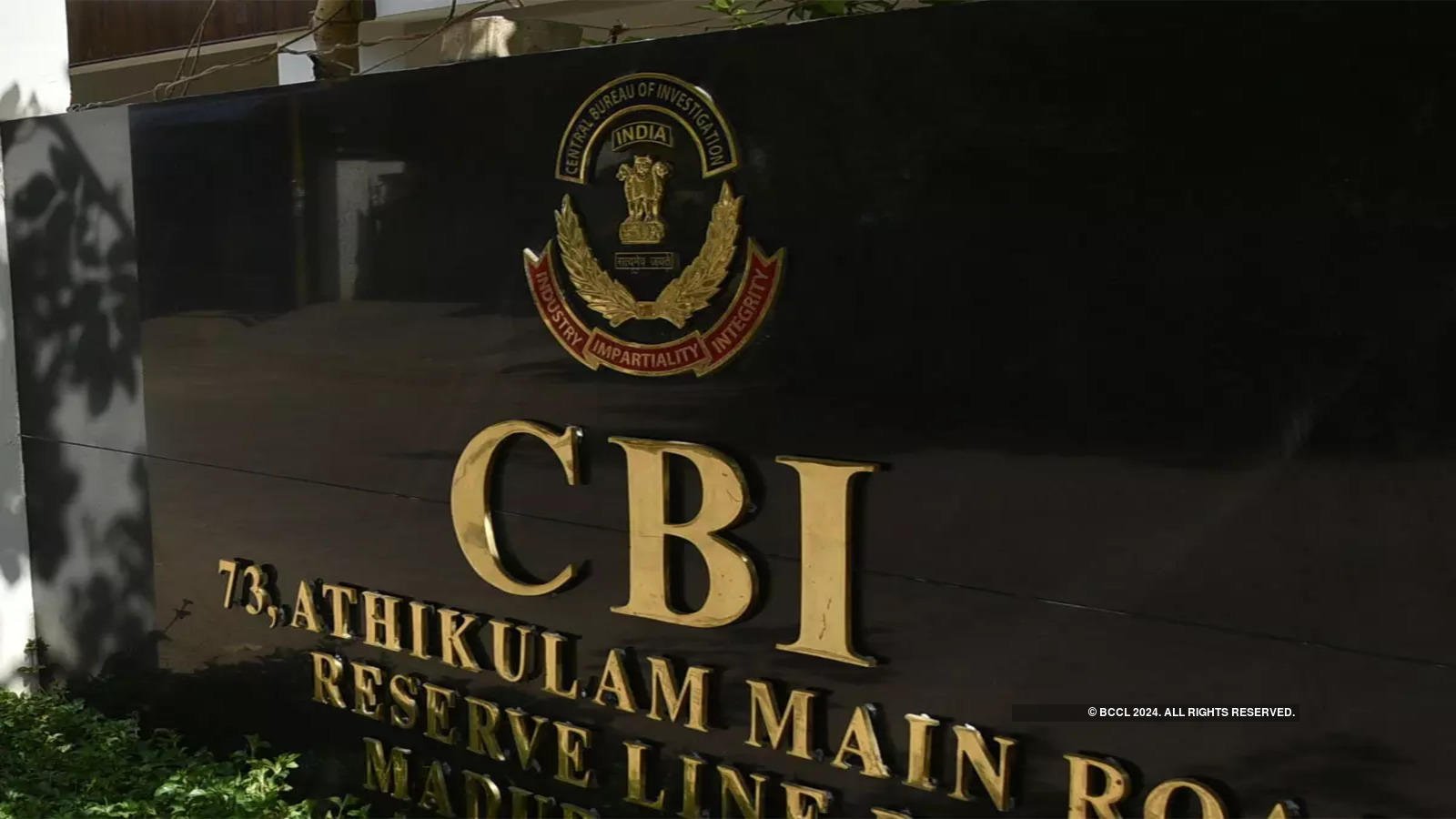
Investigations and court proceedings established that a paper leak had occurred in connection with a group of candidates, with investigators tracing events involving a school in Hazaribagh and alleged intermediaries. The Central Bureau of Investigation pursued suspected participants and networks. Those findings did not, however, establish that the paper had spread widely across the country. On July 23, the Supreme Court declined to order a nationwide re-examination, saying the material before it did not demonstrate a systemic breach or widespread dissemination sufficient to invalidate the test. The distinction between a confirmed, limited leak and broader allegations was central to the decision.
Other concerns complicated the picture. The National Testing Agency initially awarded grace marks to 1,563 candidates over lost examination time; it later withdrew those marks and offered the candidates a re-test. Questions also arose about the handling of suspected leaks, the effectiveness of security checks, the role of brokers and other intermediaries, and whether score patterns reflected misconduct or other factors. These matters were not all resolved by a single court ruling or investigation. At the five-month mark, therefore, the relevant question was what had demonstrably changed in exam administration—not whether official announcements alone had restored confidence. Assessing safeguards, accountability and transparency required separating verified findings from outstanding concerns.
By October 2024, the main confirmed change was stronger oversight and a formal review of examination security, rather than a publicly documented, complete redesign of every step in NEET paper handling. The Centre’s high-level committee, chaired by former ISRO chief R. Radhakrishnan, examined the examination process and submitted recommendations. Its review covered logistics, technology, data security and centre operations; recommendations should not be treated as measures already in force unless authorities separately confirm implementation.
The committee’s proposed approach included tighter, standardised procedures and greater use of technology to reduce opportunities for unauthorised access or inconsistent handling. In practice, secure printing and storage require restricted entry, recorded custody and clear responsibility for each transfer. Transport controls and documented handovers can make it harder for a paper to be diverted or accessed before the scheduled time. These are safeguards under review or recommendation, not proof that a new nationwide chain-of-custody system had already been adopted.
At examination centres, identity checks, controlled access to rooms, invigilator protocols and monitoring can help prevent impersonation, copying and premature disclosure. Recommendations for stronger digital systems and surveillance could support audit trails or flag irregular activity, but their precise design and rollout were not established as universal NEET procedures by that point. Similarly, any revised process for distributing papers on exam day must protect sealed packets until authorised opening and record who handles them; public information did not establish that a single new distribution method had been implemented everywhere.
NEET A separate legal step was confirmed: the Public Examinations (Prevention of Unfair Means) Act, 2024, came into force in June. It creates offences and penalties for organised cheating and related misconduct, including paper leaks. The law can deter and enable prosecution, but it does not itself secure printing, transport or centre-level handling. Overall, the changes after the controversy combined a new legal framework with committee scrutiny and proposals. The distinction matters: scrutiny and recommendations identify weaknesses, while operational safeguards only prevent them once formally adopted, funded and consistently enforced.
By five months after the 2024 NEET controversy, accountability efforts had moved on several tracks. The Central Bureau of Investigation (CBI) was examining alleged question-paper theft and circulation, the roles of intermediaries and examination-centre personnel, and possible links between cases in different states. Arrests and court proceedings helped investigators test these allegations and identify individuals suspected of involvement. The Supreme Court’s review of the examination record, meanwhile, found no evidence sufficient to establish a widespread breach requiring a nationwide retest, while leaving individual criminal investigations to proceed.
These processes can establish how papers were obtained or shared, who may have enabled misconduct, and whether specific officials or private actors violated the law. They can also produce evidence for prosecution and clarify failures at particular centres. They do not, by themselves, prove that the National Testing Agency (NTA), its contractors, or the wider examination system have corrected weaknesses. Criminal liability for proven acts and institutional responsibility for inadequate safeguards are related but distinct questions.
The government also introduced the Public Examinations (Prevention of Unfair Means) Act, 2024, which provides penalties for organised cheating and other specified offences in public examinations. Its enactment created a stronger legal framework for future cases, but it cannot retrospectively resolve every question about the NEET incident. A government-appointed committee reviewing the NTA’s functioning was tasked with proposing changes to examination security, administration and coordination. Recommendations and announced measures, however, need implementation, clear ownership and independent verification before they can be treated as effective safeguards.
Publicly available information has not fully answered how reporting between the NTA, centres, state authorities and investigative agencies will be standardised, or how audits will verify compliance. It also remains important to disclose the findings of institutional reviews, explain consequences for administrative lapses, and publish a process for detecting and reporting future irregularities. Without transparent follow-up, investigations may establish individual culpability while leaving the performance of oversight arrangements uncertain.
For candidates, announced changes matter most when they shape the experience on exam day. Depending on the current examination protocol, students may encounter more closely managed entry, identity verification, frisking, assigned seating, and monitoring of centre procedures. These steps can support security, but they do not by themselves guarantee that question papers and other sensitive materials are protected throughout the process. Candidates should therefore treat centre arrangements as safeguards to follow, not as proof that every risk has been removed.
Preparation should begin with the latest NEET information bulletin and examination-day instructions, rather than old messages or social-media posts. Check the reporting time, permitted documents and items, dress requirements, admit-card details, and any centre-specific directions. Carry only what is allowed, follow staff instructions, and avoid sharing unverified claims about paper access or alleged changes. If a direction appears inconsistent with official guidance, seek clarification through the stated help channels before exam day wherever possible.
NEET The measures can offer some reassurance if they are applied consistently across centres and supported by records that permit meaningful review. Reassurance will remain limited, however, if candidates cannot see how safeguards are monitored or how failures are investigated. Trust depends on transparent implementation, timely disclosure of relevant information, and independent scrutiny—not simply on announcing new procedures. Students should look for updates on the National Testing Agency’s official website and consult the current bulletin and notices. Other sources may help explain developments, but should not replace official instructions.
Several priorities remain unresolved: safeguards that can be verified; timely, accessible communication; a clear procedure for submitting and tracking complaints; and fair remedies if an examination is compromised. Candidates should also be told how decisions affecting results or retests will be made and communicated. A new rule or promise is not,(NEET) by itself, measurable progress. Evidence of consistent practice, documented follow-up, and accountable decisions provides a stronger basis for judging change. Until that evidence is available, candidates should prepare using current official guidance and check for updates through authorised channels.