
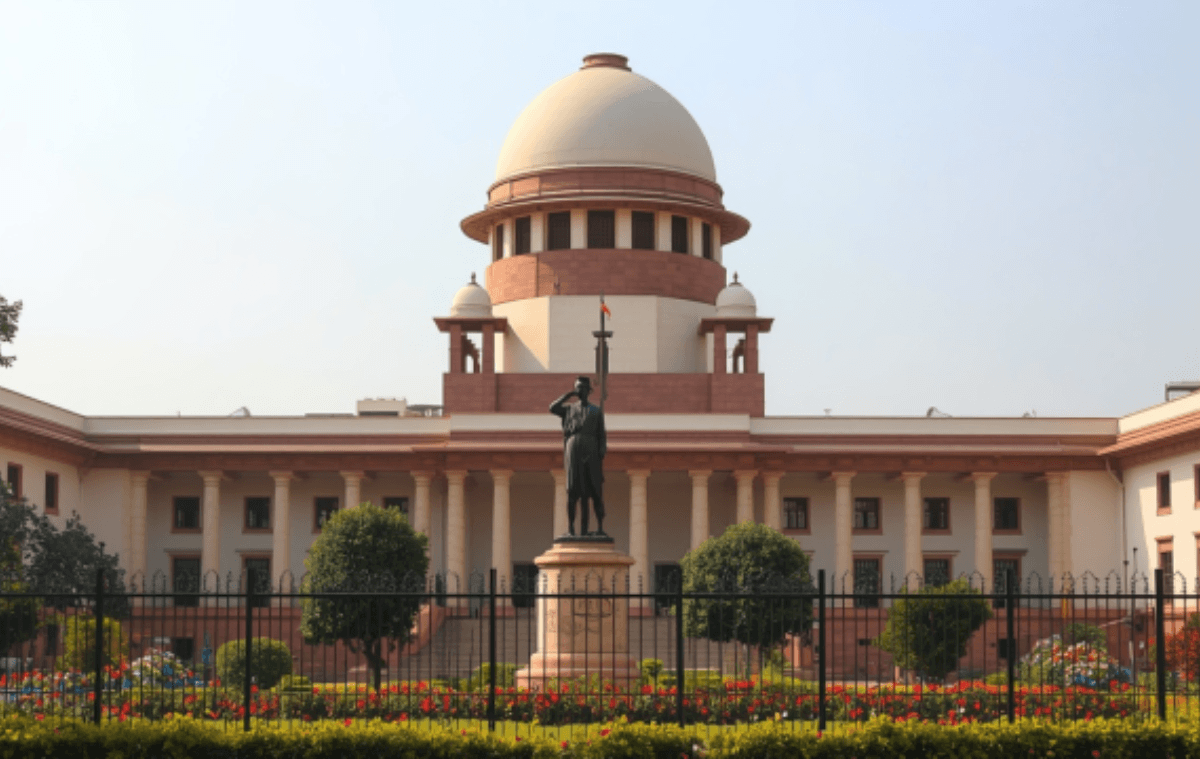
The National Eligibility cum Entrance Test (NEET) serves as a pivotal examination for aspiring medical students in India. Established by the Medical Council of India (MCI) and the Ministry of Health and Family Welfare, NEET is designed to streamline the admission process into undergraduate medical programs across the nation. This standardized test aims to maintain a uniform criterion for the selection of students into various medical colleges, thus playing a crucial role in ensuring the quality of medical education.
NEET was introduced to replace multiple entrance examinations conducted by different states and private institutions. Prior to its implementation, students faced difficulties navigating a myriad of exams, which often led to inconsistencies in evaluation. Since its inception, NEET has provided a single platform where candidates can demonstrate their knowledge in subjects such as Physics, Chemistry, and Biology, thereby simplifying the admission process.
Annually, millions of candidates participate in NEET, highlighting its significance in the medical admission landscape. For instance, in 2023 alone, over 18 lakh students registered for the exam, underscoring the high aspirations among youth seeking careers in medicine. The exam is conducted in a pen-and-paper format, with the assessment primarily based on OMR (Optical Mark Recognition) sheets. This method allows for accurate scoring, as it ensures the objective evaluation of responses. Candidates mark their answers on these sheets, which are then processed electronically for results.
The high stakes involved in NEET underscore the importance of every detail in the examination process, including the handling of OMR sheets. Accurate processing of these sheets is critical as discrepancies can lead to significant implications for candidates, including the rejection of their scores or admission to medical colleges. As such, NEET not only provides an avenue for medical admissions but also embodies the challenges and rigors faced by students in their pursuit of a medical career in India.
Details of the Case
The recent case brought before the Supreme Court involves six candidates who appeared for the National Eligibility cum Entrance Test (NEET), challenging discrepancies found in their OMR answer sheets. These candidates raised concerns over potential inaccuracies that allegedly impacted their examination scores, which are critical for admission into medical schools across India.
The plea specifically points to instances where the answer sheets showed marks that did not correlate with the responses the candidates submitted. This discrepancy is significant as it calls into question the credibility of the evaluation process and raises concerns about fairness in the examination system. The petitioners argued that these irregularities not only jeopardized their scores but also their chances of securing a place in medical programs, which are highly competitive.
In their application, the candidates meticulously detailed the discrepancies they experienced with their OMR sheets. They reported issues such as unrecorded answers and misalignment in the grading process, which they believe are attributable to administrative errors during the evaluation of their tests. The timing of this plea is critical, given the impending admission deadlines that necessitate clarity on their examination results.
To address their grievances, the candidates followed a structured approach, first discussing their issues with the examination authorities. When their concerns were not adequately addressed, they escalated the matter to the Supreme Court. They sought redress through judicial intervention, arguing that their right to a fair evaluation, as guaranteed under the Indian Constitution, was compromised by these discrepancies.
The case highlights the broader implications for NEET candidates and emphasizes the need for transparency and accountability in the examination process. The Supreme Court’s decision to reject this plea reflects the challenges faced by candidates in navigating the judicial system in seeking justice for examination-related grievances.
Supreme Court’s Rationale Behind Dismissal
The Supreme Court’s decision to dismiss the plea filed by NEET candidates regarding discrepancies in OMR sheets stemmed from a comprehensive examination of the legal arguments presented by both parties. The candidates contended that errors in the Optical Mark Recognition (OMR) sheet processing led to unfair grading, which could potentially affect their eligibility for medical admissions. However, the Court found that the evidence provided did not substantiate the claims of systematic discrepancies.
A key component of the Court’s reasoning centered on its interpretation of the reliability of the OMR sheet processing technology utilized during the NEET examination. The Court emphasized that automation in exam scoring minimizes human error and is designed to ensure fairness and accuracy. This reliance on technology was underscored by presenting data and operational guidelines that highlighted the robustness of the OMR system used by the conducting authorities. As a result, the Court concluded that the candidates did not demonstrate adequately the extent of the alleged inaccuracies.
Additionally, the Supreme Court considered precedents in similar cases where technological processes were challenged, ruling that mere allegations without substantial evidence could not override the systematic procedures established by examination authorities. The legal principle of presumption of correctness in the functioning of official processes played a significant role in the decision-making process. Furthermore, the Court acknowledged the framework of regulations surrounding the NEET examination and the procedural safeguards in place to monitor and rectify any potential issues.
In synthesizing these elements, the Supreme Court asserted that a high threshold for evidence is necessary before disruptions to established examination protocols could be justified. This approach underscored the importance of maintaining integrity in the admission processes for higher education, particularly in competitive fields like medicine.
Implications for Future NEET Candidates
The recent decision by the Supreme Court to reject the plea regarding discrepancies in the OMR sheets has significant implications for future candidates of the National Eligibility cum Entrance Test (NEET). Primarily, it raises pertinent questions about the transparency and fairness of the examination process. Many candidates, who invest considerable time and resources into preparing for NEET, rely on the integrity of the examination system. The court’s dismissal of the plea may lead to a sense of disillusionment among students and may exacerbate concerns regarding how examinations are conducted and evaluated.
With the Supreme Court’s ruling, candidates may feel that there is limited recourse if they believe there have been errors in the grading of their OMR sheets. The lack of a clear method for addressing grievances regarding discrepancies could potentially deter students from participating in future examinations, as they might worry about the inevitability of similar situations arising. This sentiment can further be fueled by the increasing competitiveness of medical entrance exams, which places tremendous pressure on candidates to achieve top marks.
For those who are dissatisfied with their results, it is essential to note that several options still exist. Candidates can reach out to their respective examination authorities to seek clarifications and possibly request a recheck of their responses, albeit with understanding the procedural limitations. Moreover, advocacy for systemic changes is crucial. Candidates and educational stakeholders might consider lobbying for enhanced transparency measures, such as improved mechanisms for challenge and review of exam results, that ensure fairness in testing.
Ultimately, while the Supreme Court’s rejection of the plea appears to close a chapter for this particular case, it opens up broader discussions about the integrity of the NEET examination system. Addressing these issues comprehensively is vital to maintaining public trust and ensuring a fair opportunity for all aspirants in the future.