The National Eligibility cum Entrance Test for Undergraduates (NEET-UG) has been a focal point of contention within the Indian education system. Established to streamline the admission process for medical aspirants, NEET-UG has seen increased scrutiny over the years, particularly from the newer generation of students known as Generation Z. This examination serves as a critical gateway to medical colleges across the country, and its implications are profound.
One of the primary reasons for the protests surrounding NEET-UG is the perceived unfairness in the examination process. Critics argue that the examination’s structure and syllabus often disproportionately affect students from various educational backgrounds, especially those from rural areas or under-resourced schools. The intense competition for limited seats in medical programs creates an environment rife with anxiety and pressure, placing an unfair burden on students who often feel they must perform exceptionally well to secure their futures.
Moreover, the standardization of a single entrance examination raises concerns about the diversity of educational needs among students. Many Generation Z students feel that their individual strengths and unique learning styles are not adequately recognized within the rigid framework of NEET-UG. As they navigate a rapidly changing world marked by technological advancements and evolving career paths, the pressure to conform to traditional evaluation methods can be overwhelming.
The protests have also highlighted broader issues such as mental health challenges among students, exacerbated by the high-stakes nature of the NEET-UG examination. Generation Z, often characterized by their advocacy for mental health awareness, has brought significant attention to these struggles, urging for systemic changes that prioritize well-being alongside academic performance. The voices of these young individuals are emerging as powerful agents of change in the educational landscape, calling for reforms that align with the realities they face today.
Voices of Generation Z: A Call for Empowerment
As the NEET-UG protests unfold, they echo the sentiments and aspirations of Generation Z, a cohort marked by its strong sense of activism and desire for social change. This generation, characterized by their digital connectivity and awareness of global issues, has taken to the streets to express their dissatisfaction with the current educational framework. Their grievances primarily revolve around accessibility, fairness, and transparency in the entrance examination process.
Generation Z is increasingly vocal about the perceived inequalities that exist within the NEET-UG exam structure. Many argue that the exam’s rigid criteria and high stakes disproportionately affect students from disadvantaged backgrounds, limiting their opportunities in the medical field. This sense of injustice amplifies their call for reforms. They demand a more equitable assessment system that takes into account the diverse circumstances and challenges faced by students.
Moreover, the protests highlight a broader desire among youth for inclusion in conversations about educational policy. Generation Z seeks to be recognized as active participants who can contribute valuable insights into the structure and delivery of education. They advocate for a platform that allows their voices to be heard and their needs to be addressed. This emphasis on empowerment signals a turning point where young individuals are no longer willing to accept decisions made without their input.
In light of these developments, it becomes essential not just to listen to the voices of Generation Z but to actively involve them in shaping the educational landscape. Engaging with young people in policy discussions can lead to more innovative solutions and a system that truly reflects the needs and aspirations of the current generation. Understanding their perspectives will be crucial in fostering an educational environment that is inclusive and effective for all.
The Role of the Supreme Court: A Balancing Act
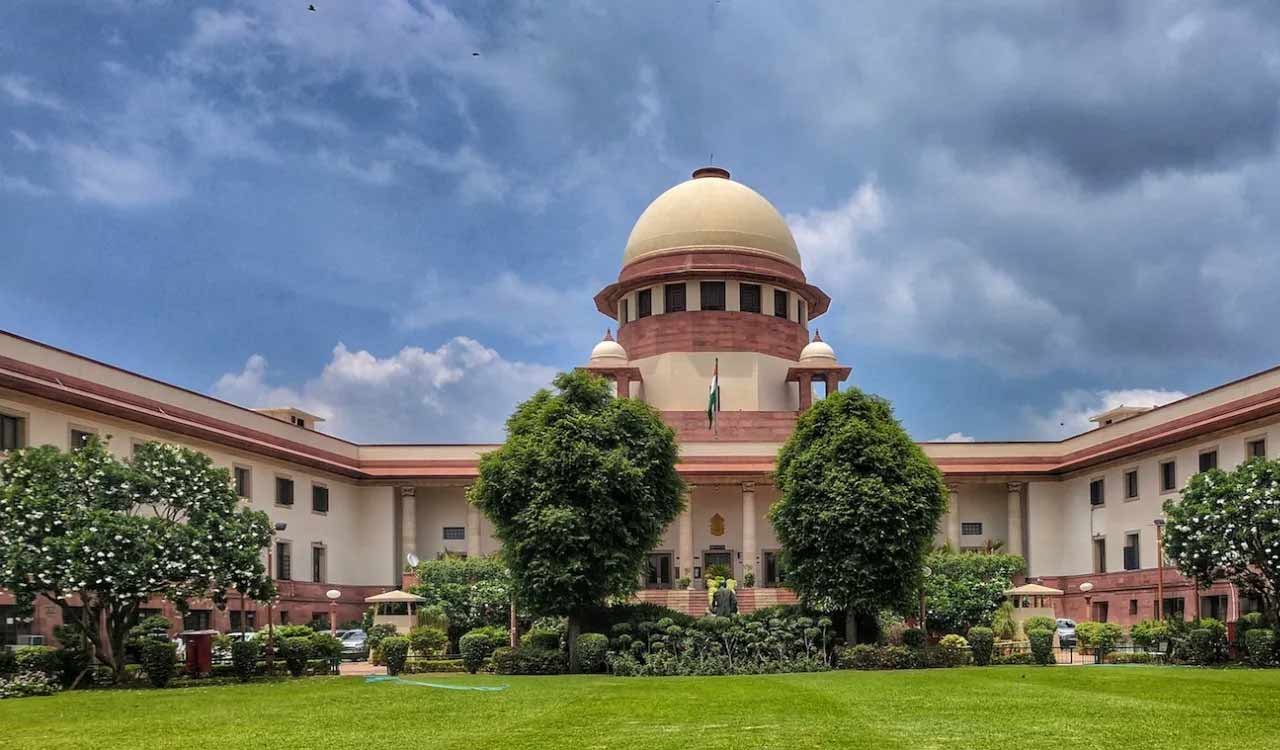
The Supreme Court of India plays a pivotal role in addressing significant issues that arise within the framework of the Constitution, particularly those that pertain to the rights and voices of the youth. In light of the recent NEET-UG protests, the court’s response has been closely observed and analyzed by various stakeholders, including students, educators, and policymakers. The judicial body emphasized the importance of listening to young voices, recognizing that the aspirations and concerns of students are integral to shaping educational policies.
Through its comments during hearings, the Supreme Court urged the government to consider the demands of the protesting students seriously. This approach highlights the court’s perception of the protests not merely as a disruption but as a reflection of genuine concerns that require attention and dialogue. The court’s stance encourages a critical examination of existing policies and suggests a potential reevaluation of the NEET-UG examination framework, which has been the subject of scrutiny among students and parents alike.
Furthermore, the implications of the Supreme Court’s rulings extend beyond immediate concerns, fostering an environment where student activism is recognized as an essential component of a democratic society. By reinforcing the significance of civic engagement and the right to protest, the court supports the notion that such activities can lead to fruitful discussions around educational reforms. This reaction also signals to policymakers the importance of being responsive to the youth, whose future is intricately linked to the decisions made in the realm of education.
Ultimately, the Supreme Court’s involvement in responding to the NEET-UG protests exemplifies a balancing act. It not only addresses the issue at hand but also sets a precedent for how student voices can influence legal and social discourse. This underscores the role of the judiciary as a mediator in conflicts that involve youthful aspirations, providing a vital platform for dialogue in the pursuit of justice and equity in education.
Moving Forward: Solutions and Pathways for Reform
To address the underlying issues surrounding the NEET-UG protests, it is essential to explore potential solutions and collaborative pathways for reform. This multifaceted approach necessitates active participation from students, educators, and policymakers to establish a more equitable educational framework. One of the primary goals should be creating a dialogue that takes into account the well-founded concerns of youth while also striving to enhance the educational system in a manner that fosters inclusivity.
The implementation of a comprehensive feedback mechanism is a crucial first step in this reformative process. By enabling students to voice their opinions on the existing NEET-UG system, educational authorities can better understand the challenges faced by aspirants. Such mechanisms may include regular surveys, focus group discussions, and open forums where students can express their views and experiences freely.
Furthermore, it is vital that policymakers collaborate with educational institutions to reassess the structure of the NEET-UG examination. By incorporating student and teacher insights, key adjustments can be made to the examination format and syllabus, aligning them more closely with the actual educational experience. An emphasis on practical assessments along with theoretical knowledge could help create a more holistic evaluation process.
Creating awareness about alternative pathways to medical education is another vital aspect. Engaging students in discussions about diverse career options within the healthcare sector can provide clarity and alleviate the intense pressure that accompanies NEET-UG preparations. Guidance programs led by educators experienced in various medical fields can play a significant role in this initiative.
Lastly, establishing partnerships between government bodies and educational institutions can yield significant benefits. By pooling resources, these entities can work together on developing training programs for teachers and improving infrastructure, thereby creating a supportive environment that nurtures aspiring medical professionals.
In conclusion, by engaging in an inclusive approach that values student voices, the NEET-UG system can undergo myriad reforms. These changes can create a more responsive and equitable educational environment, ultimately benefiting the future generation of medical professionals.