FIR The National Eligibility cum Entrance Test (NEET) is a highly significant examination for aspiring medical students in India. Allegations of a paper leak during the examination sparked widespread unrest among students and parents in Gujarat, leading to a surge of protests. The incident was first brought to light when several candidates reported discrepancies in their question papers, which subsequently led to suspicions of malpractice involved in the examination process.
Parents began expressing their frustration and concern through social media, emphasizing the potential implications of such an unfair advantage on their children’s future. Many feared the integrity of the entire medical entrance system was in jeopardy, which could lead to a decline in the quality of medical education. In an educational landscape already marked by intense competition, these allegations ignited a sense of urgency among young students seeking fair opportunities.
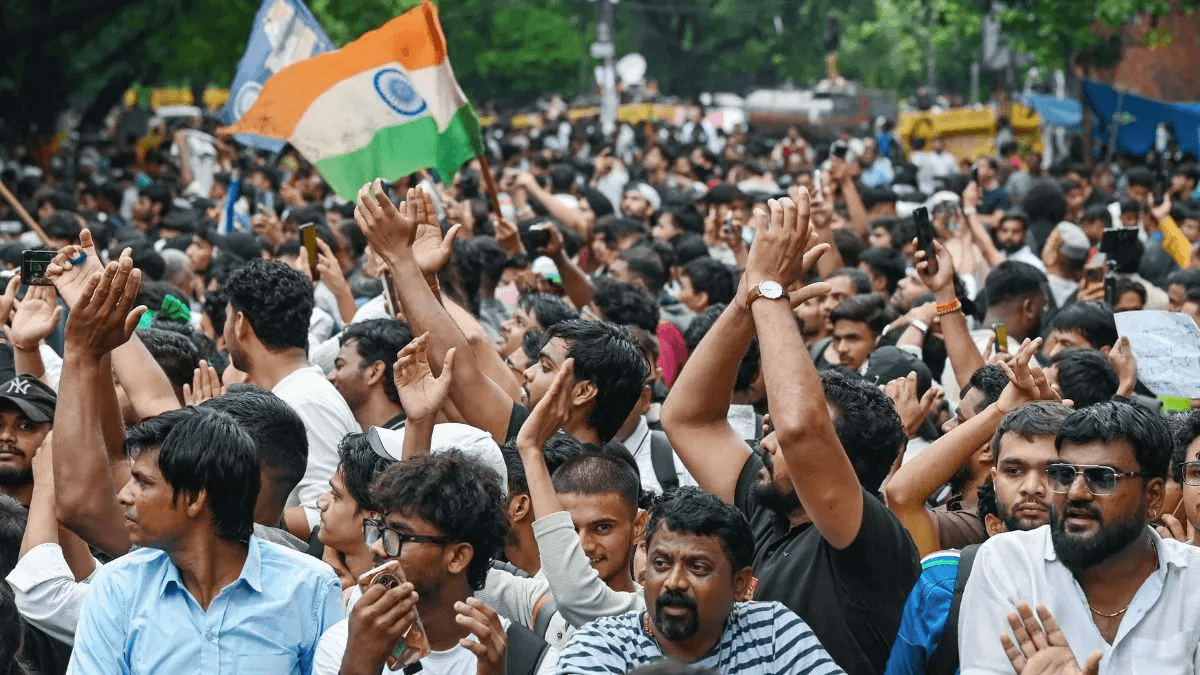
As news of the alleged paper leak spread, students took to the streets, voicing their demand for accountability and transparency from the authorities responsible for conducting NEET. The protests represented not just a call for justice, but a larger plea for reform in the examination process, emphasizing that candidates should be assessed on merit rather than on dubious allowances for some. Educational institutions and various authorities were urged to take decisive action in addressing the allegations to maintain the credibility of the examination.
In the backdrop of these protests, significant discussions began regarding the need for reforms in the examination procedures to prevent such incidents from reoccurring. The situation prompted educational policymakers to reconsider protocols in ensuring fairness, ultimately aiming to protect the sanctity of the NEET examination and instill trust among the student community.
Legal Actions: FIRs Filed Against Protesters
The recent protests concerning the National Eligibility cum Entrance Test (NEET) paper leak have sparked significant legal repercussions in Gujarat. Following the conclusion of these protests, law enforcement agencies initiated a series of First Information Reports (FIRs) against various activists and demonstrators. The underlying reasons for these FIRs primarily revolve around allegations of rioting, disruption of public order, and incitement of violence. Such actions taken by the police have been interpreted by many as an attempt to curb dissent and stifle legitimate expressions of grievances regarding the NEET examination process.
These FIRs not only raise questions about the protesters’ motivations but also jumpstart discussions regarding the balance between maintaining public order and upholding the right to free expression in India. The legal ramifications of the FIRs can be far-reaching, potentially impacting the participants’ future academic and professional pursuits. Activists have argued that the police response is overstated and threatens the fundamental freedoms guaranteed under the Indian Constitution.
This situation has intensified the scrutiny of law enforcement’s role during civil unrest, particularly in the context of student protests. The incident reflects a broader trend where young activists often find themselves entangled in legal battles, serving to reinforce their resolve to challenge systemic injustices. The issue underscores a critical need for dialogue regarding the boundaries of acceptable protest and the corresponding legal protocols that govern such actions.
In light of these complexities, it is imperative to analyze the implications of these FIRs on future protests and on the perception of the right to protest as an essential component of active citizenship in India. The tension between law enforcement and civil rights movements continues to shape the socio-political landscape, necessitating ongoing discourse on the essence of protest in a democratic society.
Gujarat Police’s Decision to Withdraw FIRs
In a significant turn of events, the Gujarat police have been directed to withdraw all First Information Reports (FIRs) filed against the protesters involved in the NEET paper leak agitation. This directive marks a pivotal moment in the state’s handling of civil rights and law enforcement. Initially, many protesters had faced legal action for voicing their dissent against the systemic issues surrounding the National Eligibility cum Entrance Test (NEET), specifically focusing on allegations of irregularities in the examination process.
The decision to rescind these FIRs appears to be influenced by mounting governmental and public pressure, highlighting a shift in how authorities perceive the rights of citizens to assemble and protest. Many commentators have pointed out that such governmental intervention is crucial in demonstrating a commitment to upholding civil liberties, particularly in scenarios where protesters are advocating for transparency and accountability in the educational sector.
While this decision is hailed by many as a corrective measure, it remains to be seen if there will be any exceptions to this withdrawal. Speculations suggest that certain individuals, particularly those accused of instigating violence during the protests, could still face legal repercussions. This nuance is important, as it indicates that while the state is keen on addressing the grievances of the broader protesting populace, it also seeks to ensure law and order is maintained.
The significance of this move not only lies in its immediate impact on the NEET paper leak issue but also sets a precedent for the treatment of future protests concerning civil rights in Gujarat. As citizens continue to engage in activism, the responses from law enforcement agencies will be crucial in determining the balance between maintaining public order and respecting the democratic right to protest.
Implications for Future Protests and Educational Integrity
The decision by the Gujarat police to withdraw FIRs against individuals protesting the NEET paper leak has significant implications for future protests not only in Gujarat but also across India. It illustrates a growing recognition of the right to dissent in the face of perceived injustices. This incident serves as a reminder that protests can be a vital mechanism for citizens to voice concerns, particularly regarding matters as critical as educational integrity. As public awareness of educational issues increases, the government may need to adopt a more accommodating stance towards protest actions, especially those that seek accountability and reform.
This scenario also underscores the pressing need to address the systemic vulnerabilities within the educational examination framework. The integrity of assessments like NEET is paramount, as they influence the academic trajectories of countless students. The leakage of examination papers not only undermines public trust in educational institutions but also highlights a failure in the security and management protocols established to safeguard academic integrity. It is crucial for authorities to recognize the gravity of such breaches, prompting a thorough review and necessary reforms to prevent future incidents.
Recommended measures include tightening security protocols for exam materials, employing advanced technologies to monitor examination environments, and mandating strict penalties for those found responsible for leaks. Additionally, there should be a focus on transparency and accountability in the examination process, fostering a culture of trust among students, educators, and regulatory bodies. Encouraging open dialogue between stakeholders can also facilitate understanding and collaboration in addressing the underlying issues surrounding exams. In conclusion, the implications of this incident should serve as a catalyst for meaningful dialogue and action towards safeguarding the educational integrity of examinations in India.