NEET The National Eligibility cum Entrance Test (NEET) is a crucial examination for aspiring medical students in India, serving as the gateway to undergraduate medical programs across the country. The significance of this exam cannot be overstated, as it plays a pivotal role in determining the future of countless students who aim to pursue careers in medicine and healthcare. NEET not only assesses a candidate’s knowledge in subjects such as biology, chemistry, and physics but also evaluates their preparedness for the rigorous demands of a medical education.
However, the integrity of NEET is fundamentally threatened when paper leaks occur. Such incidents not only undermine the credibility of the examination but also create an uneven playing field for students. When examination papers are leaked, those with access to these confidential materials gain an unfair advantage, potentially altering the outcome of the examination and the careers of honest candidates. This undesirable scenario raises significant questions about the sanctity of the process and leads to broader implications in terms of trust in the educational system.
Moreover, the ramifications of leaked papers extend beyond immediate academic concerns. They can lead to legal ramifications, damage the reputation of educational institutions, and prompt rigorous scrutiny from regulatory bodies. As the Central Bureau of Investigation (CBI) delves into these leaks, it highlights the systemic vulnerabilities that exist within the examination framework. Addressing these vulnerabilities is crucial not only for the preservation of NEET’s integrity but also for maintaining the overall quality and competitiveness of medical education in India.
The Details of the Leak: How the Papers Escaped from Maharashtra
The recent investigation into the leakage of NEET papers from Maharashtra has unveiled a complex web of actions and individuals involved in the dissemination of these critical examination documents. Initial inquiries indicate that the papers were unlawfully extracted from secure locations within educational institutions and examination centers. These leaks appear to have been facilitated by compromised personnel who had access to the papers prior to their official release.
The timeline of events began shortly before the NEET examination dates, with reports emerging of individuals offering leaked papers for sale on dark web marketplaces. These actions posed significant threats to the integrity of the examination process and raised concerns regarding the ethical standards of those involved in the conduct of the examination.
According to sources, the first incidents were reported when candidates began to receive unsolicited messages on social media platforms with offers to provide leaked papers for a fee. Among those implicated in the leak are several individuals with a background in the education sector, as well as some students who were approached directly to act as intermediaries. This coordinated effort indicates a more extensive network operating beyond individual culprits.
An essential aspect of the investigation is the role of technology in facilitating these leaks. Reports suggest that the papers were not only sold physically but were also distributed digitally, enabling a rapid and widespread sharing mechanism. Investigators have been able to trace back many online accounts associated with the sale of the leaked documents, leading to further scrutiny of those involved.
The ramifications of this leak are significant, affecting not only the credibility of the NEET examination in Maharashtra but also prompting changes in how examination boards safeguard sensitive materials in the future. As more evidence comes to light, investigators continue to piece together the startling details that illustrate the vulnerability of our examination systems.
The CBI Investigation: Current Developments and Findings
The Central Bureau of Investigation (CBI) is actively engaged in a comprehensive investigation regarding the leakage of the National Eligibility cum Entrance Test (NEET) papers. This probe has gained significant attention due to the implications it carries for the integrity of the examination process in India. As the investigation progresses, several key developments and findings have emerged that shed light on the extent and methods utilized in this nefarious activity.
The CBI has employed a range of investigative procedures, including forensic analysis of the leaked documents and financial audits of implicated individuals. Preliminary findings suggest that a network of individuals, comprising both candidates and alleged facilitators, has been operating to disseminate examination questions ahead of the official test dates. This coordinated effort not only undermines the examination’s credibility but also raises serious ethical concerns regarding fairness in competitive academia.
As part of its ongoing efforts, the CBI has made several arrests linked to the case, which has led to a clearer understanding of the operations involved. These arrests have included individuals accused of orchestrating the distribution of leaked papers, as well as candidates who allegedly participated in using these documents to gain an unfair advantage. The agency is actively seeking further leads and corroborative evidence that could enhance its case against not only the primary suspects but also individuals who may have knowingly accepted the fruits of this corruption.
Moreover, the investigation has been met with a collaborative effort from various educational institutions and regulatory bodies, which are increasingly recognizing the necessity of safeguarding the integrity of examinations such as NEET. The CBI’s efforts aim not only to hold accountable those responsible but also to implement measures that will prevent such breaches in the future. As the investigation unfolds, the public awaits further announcements regarding additional arrests and potential reforms to the examination process.
Implications and Reactions: Stakeholders’ Responses to the Scandal
The recent paper leak scandal surrounding the National Eligibility cum Entrance Test (NEET) has caused substantial turmoil among various stakeholders, including students, educational institutions, and government officials. The implications of this incident extend beyond the immediate breach of security; they touch on issues of fairness, integrity, and trust in the examination process.
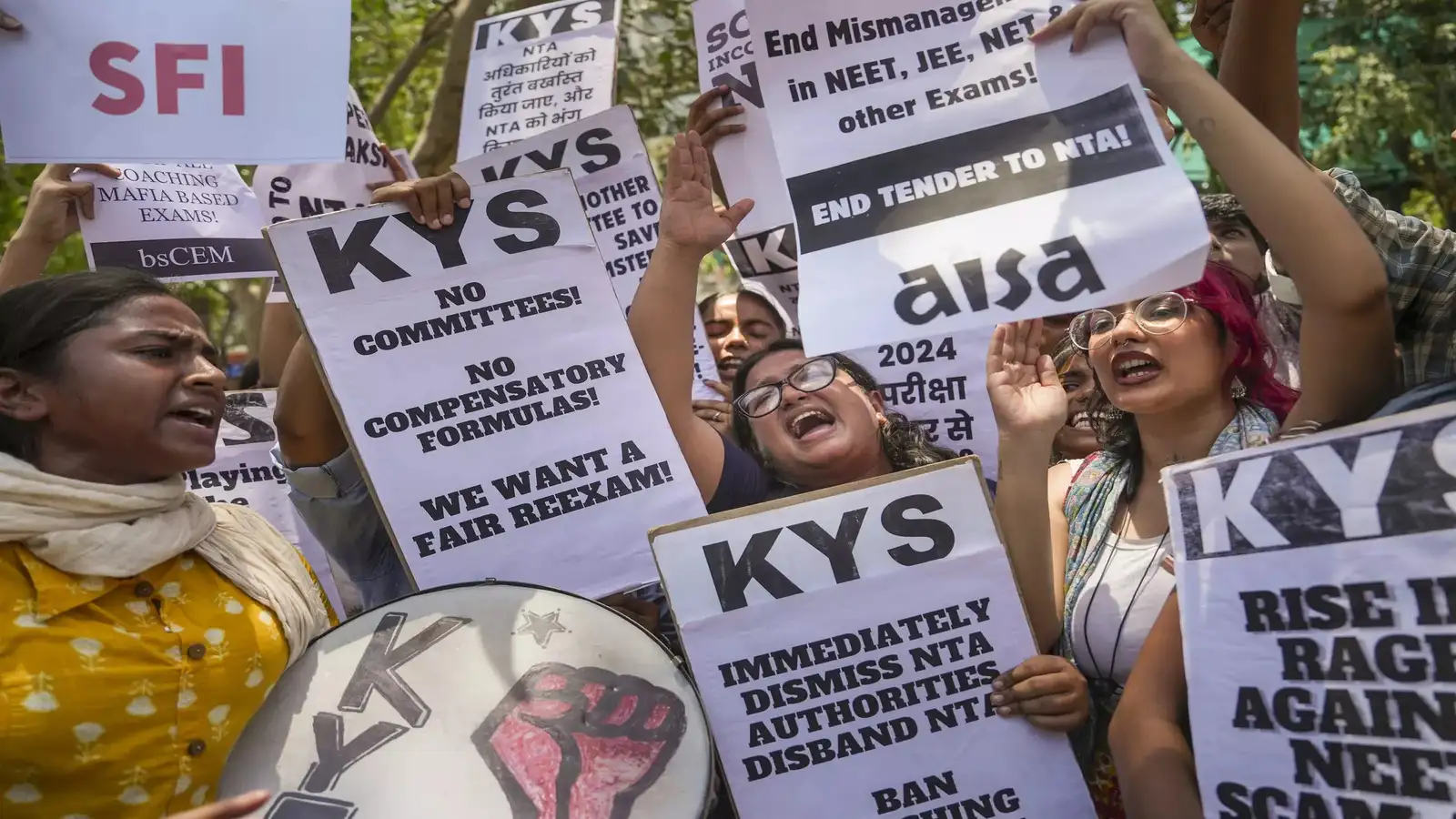
Students have voiced their outrage and disappointment over the leak, expressing concerns regarding the potential impact on their future and career prospects. Many prospective medical students, who have devoted significant time and resources in preparation for the NEET, feel their efforts may be undermined by this scandal. The perception of having an unlevel playing field, where some candidates may benefit from illicitly obtained information, has fostered a climate of distrust within the student community.
Educational bodies have also reacted vigorously, emphasizing the need for urgent reforms in the examination system. They argue that the integrity of entrance examinations is paramount for maintaining standards in medical education and ensuring that only the most qualified candidates gain admission to medical colleges. Some institutions have called for immediate implementation of stricter security measures to safeguard test materials, including enhanced monitoring systems and more rigorous background checks for those involved in the examination process.
Government officials have acknowledged the severity of the issue, pledging thorough investigations and accountability measures. The Central Board of Secondary Education (CBSE) and the National Testing Agency (NTA) are under scrutiny to address the lapses that led to the leak. Officials have highlighted the necessity of public trust in the examination system, affirming that swift actions will be taken to prevent such incidents in the future. Legislative discussions regarding policy changes aimed at increasing transparency and oversight in examination proceedings are anticipated.
In conclusion, the reactions from various stakeholders signify a collective acknowledgment of the gravity of the situation. The NEET paper leak scandal serves as a critical reminder that protecting the integrity of examination processes is essential for fostering a fair educational environment. As dialogue ensues among all parties involved, constructive actions and policies may emerge to mitigate the risk of future breaches and reinforce the credibility of medical entrance examinations.