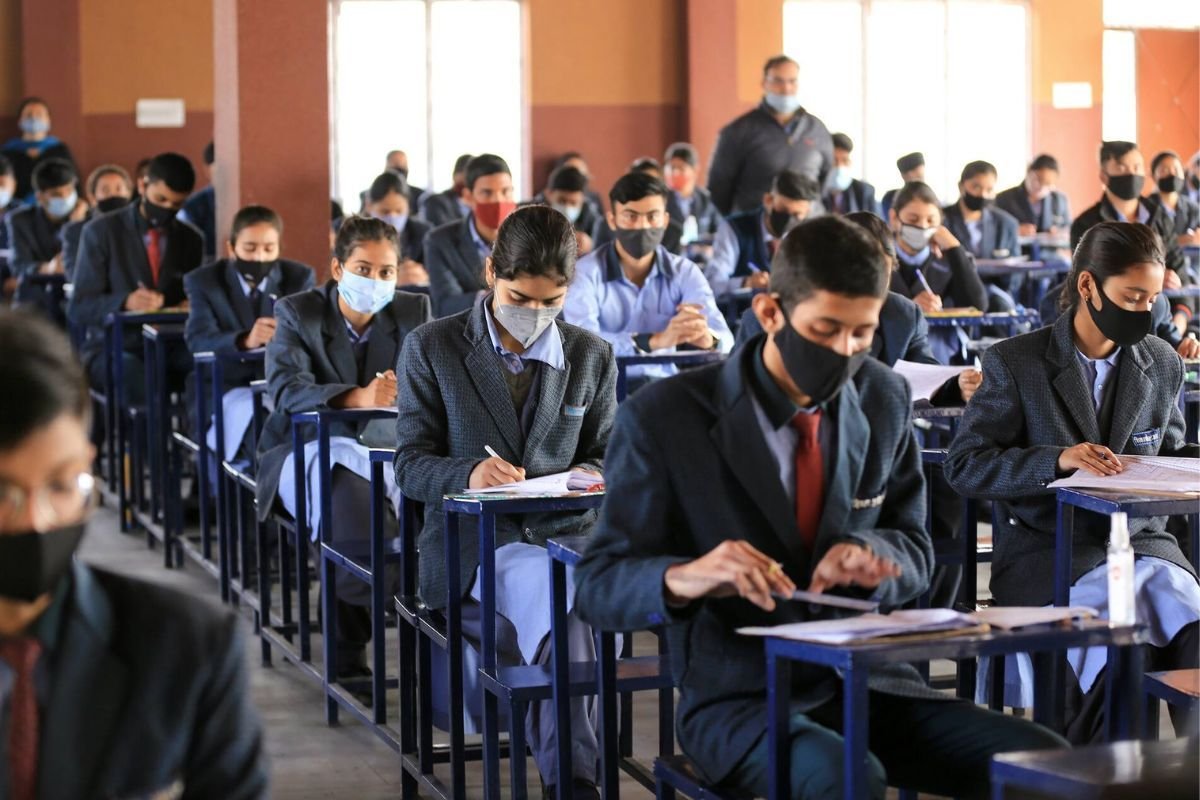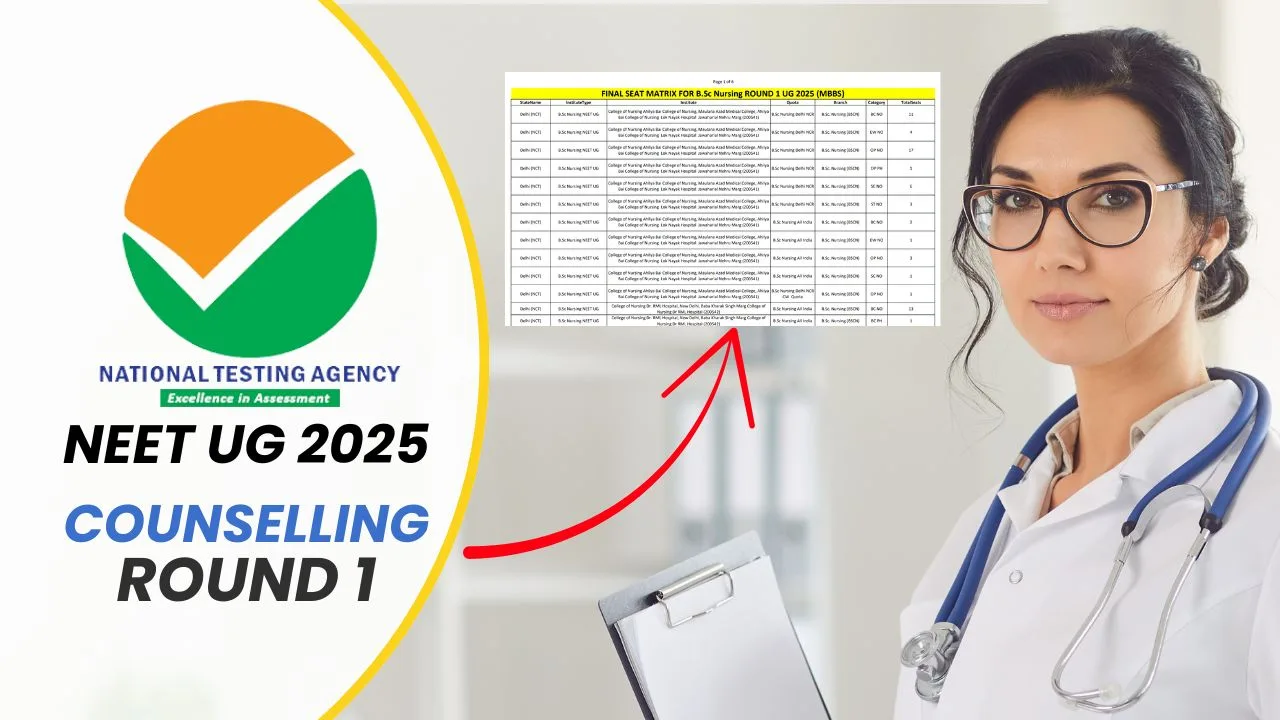




NEET The National Eligibility cum Entrance Test (NEET) is a pivotal examination in India, facilitating admission to undergraduate medical courses across the nation, including MBBS, BDS, and other paramedical programmes. Conducted by the National Testing Agency (NTA), NEET serves as the primary gateway for students aspiring to pursue a career in healthcare. This standardized test assesses candidates on their knowledge of subjects such as Physics, Chemistry, and Biology, and evaluates their aptitude for medical studies.
The significance of the NEET examination is profound, marking a crucial milestone in the academic journey of aspiring medical professionals. Obtaining a good score in NEET is imperative, as it often determines the eligibility and readiness of students to enter rigorous medical training. With competition intensifying every year, the stakes involved for students are exceedingly high. A successful performance in NEET can lead to coveted placements in prestigious medical institutions, shaping the future of candidates and their contributions to the healthcare sector.
Moreover, NEET not only standardizes admissions but also emphasizes the importance of fair examination practices. With the escalating pressures on students, the integrity of the examination process is paramount. It is essential to ensure that all candidates are evaluated based on their true capabilities, rather than through fraudulent means or unethical practices. Instances of malpractices, such as selling fake NEET question papers, undermine the credibility of the examination and the medical education system as a whole. In light of this, upholding the sanctity of NEET is crucial for fostering a fair academic environment and ensuring that only the most qualified individuals enter the medical field.
The Arrest: Details of the Operation
The recent arrest of four individuals involved in selling counterfeit NEET question papers marks a significant operation by law enforcement authorities in Bihar. This operation was initiated following a tip-off which suggested a coordinated effort to distribute fraudulent examination materials through social media channels. The police conducted a thorough investigation that unveiled a network leveraging technology to deceive aspiring medical students.
According to sources, the suspects utilized various social media platforms not only to advertise the fake NEET question papers but also to facilitate transactions with potential buyers. Their approach included creating multiple profiles that impersonated legitimate users, instilling a false sense of security in prospective customers. The culprits employed encryption for their communications, further complicating efforts for law enforcement to monitor their activities without prior knowledge.
The breakthrough came when undercover officers engaged with these sellers, posing as interested buyers. This strategy allowed the police to gather critical evidence against the suspects. The transaction was then arranged to take place, leading to the eventual capture of the individuals involved. Search warrants executed at the premises of the suspects revealed an alarming amount of falsified educational materials alongside the tools used for their production.
This operation underscores the essential role of technology in both the perpetration and detection of these fraudulent activities. The implications of selling fake NEET question papers extend beyond mere financial gain; they undermine the integrity of the education system and pose risks to the future of genuine candidates. Consequently, the arrests highlight the necessity of enhanced vigilance by authorities along with the public to combat such deceptive practices within the academic landscape.
Impact on Students and Education System
The recent arrests of individuals involved in selling fake NEET question papers through social media have raised significant concerns regarding the implications of such fraudulent activities on students and the education system as a whole. The National Eligibility cum Entrance Test (NEET) is a crucial examination for aspiring medical students in India, and any attempt to manipulate this process undermines the integrity of the entire educational framework.
For students, the psychological impact of encountering such scams can be profound. Many individuals preparing for NEET invest significant time and resources into their studies, often driven by the ambition to contribute to the healthcare sector. The existence of counterfeit materials can create an unrealistic set of expectations and, ultimately, a sense of betrayal when students realize they have been misled. This not only leads to mental distress but also exacerbates feelings of inadequacy among those who may struggle to perform well in an environment rife with dishonesty.
Furthermore, the integrity of the educational system is at stake. The proliferation of dishonest practices such as selling fake question papers can devalue genuine efforts by honest students. When falsified materials circulate, they skew the level playing field, making it challenging to gauge true merit and potential. This could lead to a broader erosion of trust within the academic community, complicating relationships between students, educators, and institutions.
In response to these challenges, it is imperative that educational authorities implement robust measures to combat academic dishonesty. Increasing awareness about the risks associated with succumbing to such scams, enhancing surveillance of online platforms, and fostering a culture of integrity within educational institutions are vital steps towards safeguarding students and reinstating faith in the examination process. By prioritizing ethical standards and promoting transparency, the education system can better shield itself against future instances of fraud and maintain its core values.
Legal Consequences and Future Preventive Measures
The recent arrests in Bihar concerning the sale of counterfeit National Eligibility cum Entrance Test (NEET) question papers have sparked significant concern among authorities and educational institutions. Those arrested are likely to face numerous legal ramifications based on India’s stringent laws against fraud and forgery. Under the Indian Penal Code (IPC), charges may include forgery, cheating, and criminal conspiracy, which can result in severe penalties including imprisonment and fines. Additionally, the prevention of unfair competition act may be invoked, leading to further repercussions. The severity of these charges reflects the seriousness with which the Indian legal system approaches educational fraud, particularly as it relates to the integrity of examinations affecting students’ futures.
To effectively combat the proliferation of such fraudulent activities, it is imperative for educational authorities and law enforcement agencies to implement a series of preventive measures. Firstly, increasing awareness about the risks associated with purchasing or disseminating counterfeit examination materials is essential. Educational institutions can conduct workshops and distribute informative materials regarding the legal consequences tied to such actions, empowering students and parents with knowledge about the implications of engaging with illegal services.
Furthermore, employing technology can play a pivotal role in curbing these frauds. The development of robust authentication mechanisms for question papers could significantly reduce the likelihood of counterfeit materials circulating in the market. Collaboration between educational boards and cybersecurity experts can lead to innovative solutions that enhance the security of examination processes.
Additionally, law enforcement agencies should establish specialized task forces dedicated to investigating and prosecuting cases involving educational fraud. By fostering a cooperative relationship between educational institutions and law enforcement, a proactive stance can be taken, leading to a fortified trust in the examination process. Ultimately, a multi-faceted approach combining legal action, education, and technological advancement will be crucial in preventing the future occurrence of such fraudulent activities.