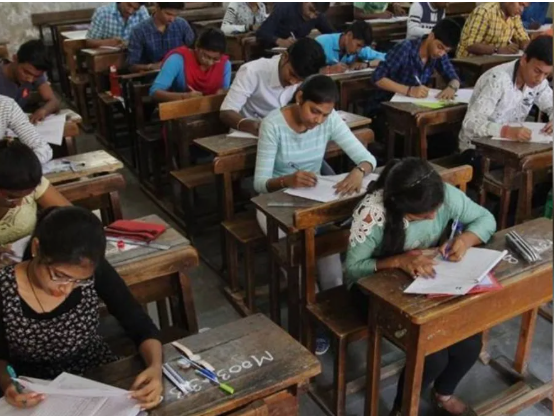



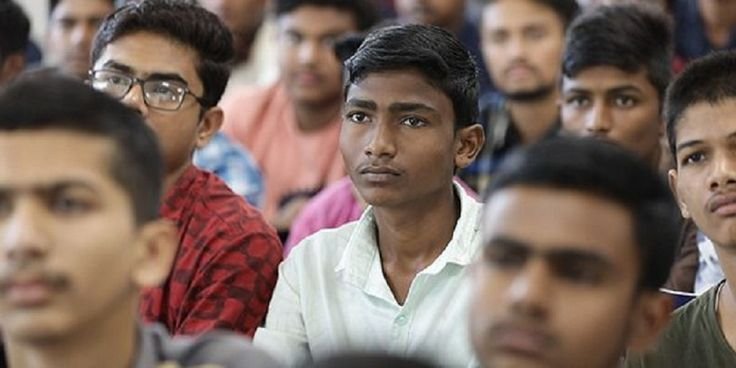

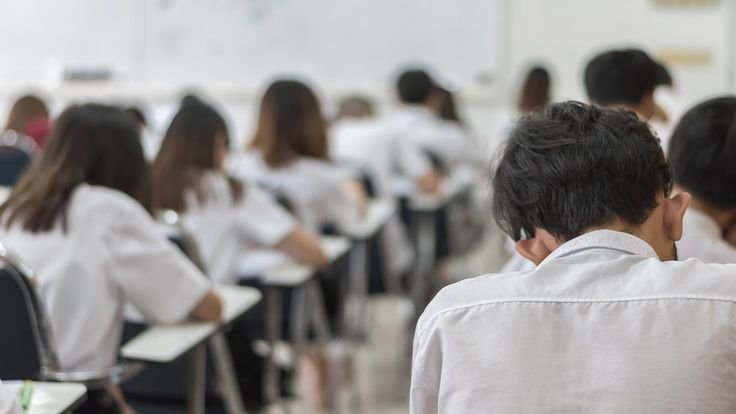
NEET The National Eligibility cum Entrance Test (NEET) is a pivotal examination in India, serving as a gateway for aspiring medical students seeking admission to various undergraduate medical programs. Conducted by the National Testing Agency (NTA), the significance of NEET cannot be overstated, as it aims to standardize the admission process across medical colleges, making it fair and transparent. The test assesses knowledge in subjects such as Physics, Chemistry, and Biology, providing a comprehensive evaluation of a student’s readiness for medical education.
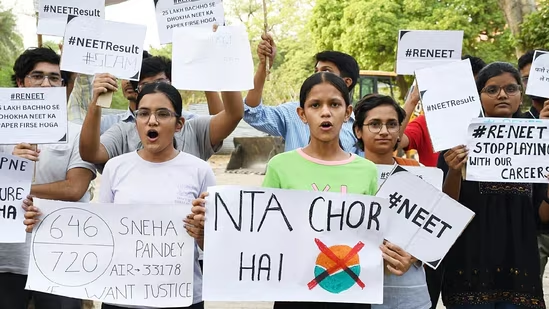
The recent trend of re-examinations has added a layer of complexity to the already challenging NEET landscape. Factors such as administrative errors, disruptions during examinations, and concerns regarding fairness have led to the decision to conduct re-exams. While the intent is to ensure equity in the evaluation process, it inevitably places additional pressure on students, many of whom invest significant time and effort preparing for the initial sitting of the exam.
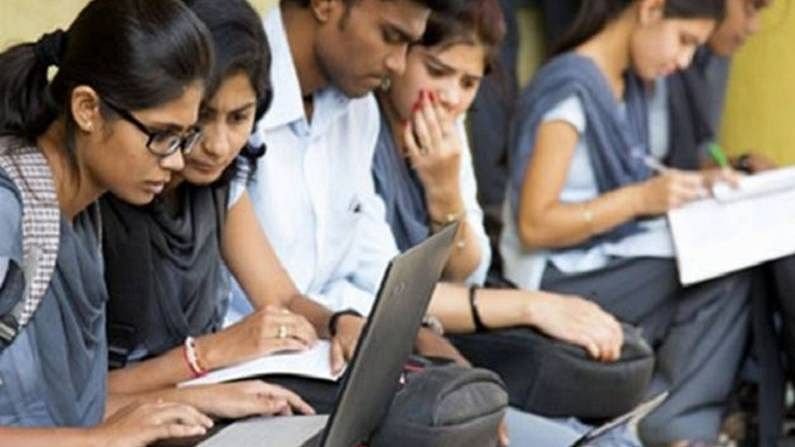
The competitive nature of NEET cannot be ignored, as it attracts a vast number of candidates—millions each year, all vying for a limited number of seats in prestigious medical institutions. This competition creates an intense environment, and as a result, students may experience considerable emotional and psychological stress. The relentless pursuit of high academic performance often leads to anxiety, self-doubt, and, in some cases, burnout. The continuous cycle of preparation and examination can impact mental health, as students grapple with the fear of failure and the stigma associated with not securing a coveted medical seat.
In summation, the NEET examination landscape is characterized by its significance as a critical assessment tool, compounded by the challenges posed by re-examinations. Understanding these dynamics is essential for recognizing the emotional toll that such pressures can exert on medical aspirants.
The Psychological Impact of Re-Examinations
The phenomenon of re-examinations, particularly in the context of rigorous assessments like the NEET, poses significant psychological challenges for students. As the stakes become higher with the fear of failure looming over them, anxiety levels can markedly increase. For many students, the uncertainty surrounding their performance and the prospect of retaking an exam intensifies stress, leading to what can be described as heightened psychological distress.
Research has indicated that students facing re-examinations often report feelings of inadequacy and fear of judgment from peers and educators. This can foster an environment where mental health concerns such as depression and anxiety flourish. The anticipation of an uncertain outcome exacerbates these feelings, creating a vicious cycle that can hinder a student’s ability to perform optimally.
Coping mechanisms become crucial during this period of distress. Students often engage in various strategies to manage their stress levels, including time management techniques, mindfulness practices, and physical exercise. These coping strategies serve as buffers against the adverse psychological effects of re-examinations. Moreover, social support plays a vital role; students sharing experiences with friends or seeking assistance from mentors can alleviate feelings of isolation and despair.
Furthermore, educational institutions are beginning to recognize the importance of mental health in the academic environment. Providing resources such as counseling services and workshops aimed at stress management can significantly benefit students facing the pressure of a re-exam situation. By fostering an atmosphere that prioritizes mental well-being, institutions can help mitigate the challenges students encounter during these periods of heightened anxiety and stress.
Coping Strategies for Students Facing Re-Exams
Facing re-examinations, particularly in high-stakes scenarios such as the National Eligibility cum Entrance Test (NEET), can be an anxiety-inducing experience for students. However, there are effective coping strategies that students can employ to navigate this challenging period while maintaining their mental well-being.
First and foremost, effective time management is crucial. Students should create a structured study plan that allocates sufficient time for each subject. By breaking down the syllabus into manageable sections and setting specific, achievable goals, students can minimize the feeling of being overwhelmed. Utilizing tools such as planners or digital apps can further enhance organization, ensuring that they stay on track.
In addition to time management, stress reduction techniques play a vital role in coping with re-exams. Incorporating regular physical activity into daily routines, such as jogging or yoga, can significantly alleviate stress levels. Practicing mindfulness and deep breathing exercises can also help students center themselves when faced with anxiety about their performance. Allocating time for recreational activities can serve as a healthy distraction, allowing students to decompress and recharge their mental energy.
Seeking support is equally essential during this period. Students should not hesitate to communicate with peers, family, or mentors about their feelings and challenges. Participating in study groups can foster a collaborative learning environment where students can share resources, explain complex concepts, and motivate each other. Meanwhile, engaging with educators for guidance or clarifying doubts can help build confidence and reduce uncertainty.
Finally, maintaining a healthy balance between study and self-care is paramount. Students should prioritize adequate sleep, healthy eating, and regular breaks to ensure their minds and bodies are functioning optimally. By embracing a holistic approach to their studies and well-being, students can better handle the pressures associated with re-exams, leading to improved overall performance.
Support Systems and Resources for Students
The reality of facing a re-exam, such as the NEET test, brings forth significant stress and anxiety for many students. Acknowledging this, educational institutions have initiated various support systems aimed at assisting students in navigating their challenges. Academic support often manifests through enhanced tutoring programs, study groups, and additional resources that focus on critical subjects. These initiatives are designed to bolster student confidence and improve understanding of essential materials required for success on retesting.
Mental health resources have become increasingly vital in this context. Schools and universities now provide access to counseling services for students grappling with the emotional toll of re-examinations. Trained counselors offer strategies to manage stress and anxiety, fostering resilience among students. Such services also include workshops emphasizing time management, study techniques, and coping strategies, empowering students to approach their studies with a more balanced mindset.
Community initiatives also play a significant role in supporting students. Local organizations often organize workshops and seminars aimed at equipping students with effective examination techniques and mental wellness practices. These community-driven efforts encourage collaboration among peers and create a support network that extends beyond academic performance. When students share experiences, they cultivate a sense of belonging and understanding, proving to be beneficial in mitigating feelings of isolation during this challenging time.
Insights from educators highlight the importance of tailored support. Teachers play a crucial role in identifying students who may need additional assistance and connecting them with the right resources. By fostering an open dialog with students, educators can help identify specific challenges and enable students to utilize available resources effectively. Cultivating an atmosphere of openness and dependence on community and institutional support can significantly enhance a student’s ability to cope with the pressures associated with re-examinations.