
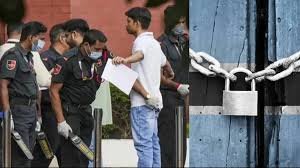
NEET Paper Setters The National Eligibility cum Entrance Test (NEET) is a standardized examination in India, primarily aimed at facilitating admissions to medical colleges. Introduced in 2013, NEET has become the sole entrance examination for undergraduate medical courses, ensuring a centralized evaluation process for aspiring medical students. The purpose of the NEET examination is to provide a fair and transparent method for assessing the knowledge and readiness of candidates for medical education.
NEET serves as a crucial gateway for students seeking admission in various undergraduate medical programs such as Bachelor of Medicine and Bachelor of Surgery (MBBS) and Bachelor of Dental Surgery (BDS). The significance of NEET in the Indian education system cannot be overstated, as it harmonizes the admission process across different states and institutions, thereby upholding a standard of meritocracy.
The structure of the NEET examination consists of a single paper, which comprises multiple-choice questions across three subjects: Biology, Physics, and Chemistry. Candidates must complete a total of 180 questions within a time span of 3 hours, and their performance is evaluated through a scoring system that contributes to their final percentile rank. Eligibility to sit for this competitive examination requires candidates to have completed their 10+2 education with Physics, Chemistry, and Biology as core subjects, alongside meeting the specified age criteria.
In the context of medical admissions, NEET plays a pivotal role by determining the qualifications of candidates and ensuring they possess the necessary knowledge and skills for advanced studies in the medical field. With its structured approach, NEET facilitates a level playing field for all applicants, reinforcing the importance of academic achievement in securing a position in India’s prestigious medical institutions.
Reasons for Lockdown of Paper Setters
The decision to place the NEET paper setters under lockdown stems from several critical factors aimed at upholding the integrity and security of the examination process. Primarily, security concerns have become increasingly prevalent in high-stakes assessments like NEET. With the rise of technology and digital access, the potential for cheating and examination malpractices has escalated. In light of past incidents, it has become essential to take proactive measures to safeguard the examination material and the individuals involved in its preparation.
Another key reason for the lockdown of paper setters revolves around the complexity of ensuring a fair testing environment. By isolating the setters from external influences, the authorities aim to minimize any risk of collusion or leakages of the examination content before it is administered. This measure is critical not only to protect the integrity of the test but also to provide all candidates with an equal opportunity to perform based on their knowledge and preparation.
Moreover, the need for integrity in the test preparation process cannot be overstated. A transparent and secure examination process fosters public trust in the educational system, ultimately enhancing the overall credibility of the NEET assessment. The lockdown of paper setters serves as a deterrent against any attempts to manipulate the testing conditions. Such actions reflect a firm commitment to maintaining high ethical standards within the examination framework.
In summary, the lockdown of NEET paper setters is a necessary approach to address security concerns, prevent examination malpractices, and uphold the integrity of the assessment process. These measures aim to ensure that every candidate has a fair chance to showcase their skills and knowledge, thereby reinforcing the value of the NEET examination in the academic landscape.
Impact of Lockdown on NEET Aspirants
The COVID-19 pandemic and subsequent lockdowns have brought unprecedented challenges for students aspiring to take the NEET examination. One of the most significant implications of the lockdown has been the delay in the examination schedule. Many candidates found themselves in a state of uncertainty, as multiple rescheduling of the examination dates created anxiety and confusion. Initially, students were preparing for NEET with a specific timeline in mind, which has since been disrupted by the extended lockdowns.
This situation resulted in increased anxiety among NEET aspirants, leading to a heightened sense of pressure. Many students experienced feelings of isolation and uncertainty, as their prep routines were interrupted. The sudden transition to online classes posed additional challenges, as not all students had access to reliable internet or conducive learning environments at home. The disruption of traditional learning methods impacted their study plans, prompting many to reassess their strategies and adapt to the new norm of online education.
The emotional toll on aspiring medical students cannot be understated. The lockdown has created a significant amount of stress and frustration, particularly for those who have dedicated years of their lives to preparing for this crucial examination. The worry of whether they would be adequately prepared for the NEET exam created additional mental strain. Furthermore, feelings of anxiety were exacerbated by the fear of potential health risks associated with gathering in large examination halls, especially for students with pre-existing health conditions.
As NEET aspirants navigate these challenges, it has become crucial for them to cultivate resilience and maintain mental well-being. Many students have sought support from peers, educators, and mental health professionals to cope with the emotional difficulties stemming from the lockdown and its impact on their NEET preparations.
Future Steps and Re-Examination Process
The re-examination process for the NEET will be implemented following the current lockdown situation, ensuring that the safety and well-being of the candidates and staff are prioritized. Initially, it is imperative to establish a revised timeline for the re-examination. Educational authorities are closely monitoring the situation and will announce a new schedule once conditions become more favorable. This timeline will be communicated through official channels to ensure that all candidates are adequately informed and prepared.
In preparation for the re-examination, measures will be introduced to guarantee fairness and security. This includes the implementation of robust protocols to prevent any form of malpractice during the examination. Steps will be taken to enhance the security of examination centers, including limited access to unauthorized personnel and increased surveillance. Additionally, there will be a thorough assessment of the technological infrastructure to support online examination processes, especially if in-person examinations remain impractical.
Moreover, candidates can expect clear guidelines to navigate this re-examination phase. These guidelines will include detailed instructions regarding documentation requirements, shifts in examination centers, and any potential modifications in the exam format. Authorities recognize that candidates may have concerns about the transition and are committed to providing a transparent process. Communication regarding any changes will be consistent and clear, aiming to ensure that every student feels prepared and equipped to take the examination.
As we move forward, it is essential for all candidates to stay informed through official notifications and updates, as the situation may continue to evolve based on public health guidance. Ultimately, the goal is to create a safe examination environment that upholds academic integrity and allows students to demonstrate their knowledge effectively.