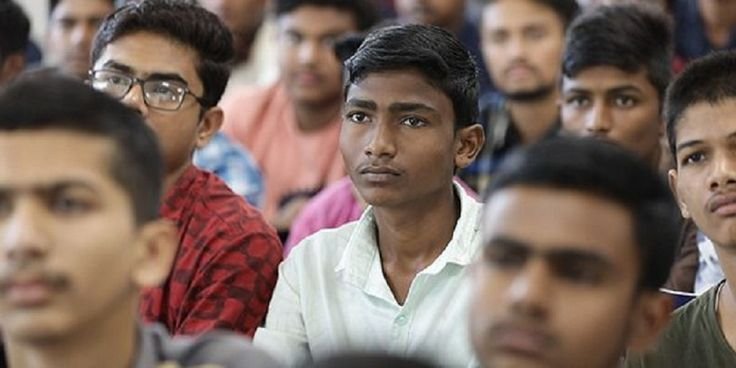
The journey of a NEET aspirant is often characterized by overwhelming pressure stemming from numerous sources. As students strive to secure a coveted seat in medical schools, they are confronted with immense academic expectations. The NEET exam, known for its rigor and difficulty, necessitates an extensive understanding of subjects such as Physics, Chemistry, and Biology. Consequently, aspirants often find themselves engaging in exhaustive study routines that can extend to 12 hours a day, leading to feelings of exhaustion and burnout.
In addition to academic demands, societal pressures significantly amplify the stress experienced by these students. There exists a prevalent belief within many communities that success in NEET is synonymous with future prosperity, which places an intensified burden on aspirants to perform exceptionally. This societal expectation can create a cycle where students feel inadequate unless they achieve top results, further exacerbating their anxiety and self-doubt. The narrative of success is frequently accompanied by tales of failure, thereby creating an environment of fierce competition among peers, which can lead to isolation and heightened emotional distress.
The impact of these pressures on mental health cannot be overlooked. Statistics indicate that a considerable number of NEET aspirants experience anxiety, depression, and even suicidal thoughts as a result of their strenuous preparation and the high stakes associated with the examination. Personal anecdotes from students reveal a common theme: the emotional toll of such academic pressures is profound, with many feeling that their self-worth is directly tied to their performance. The mental health of NEET aspirants is a pressing concern that underscores the necessity of implementing robust support systems to help them navigate these challenges effectively.
The Incident: A Heartbreaking Outcome
The tragic event that unfolded in Nagpur, reflecting the severe implications of academic pressure, involved a dedicated NEET aspirant, who succumbed to despair following a disappointing performance on her initial attempt. The National Eligibility cum Entrance Test (NEET) is perceived as a highly competitive examination, pivotal for aspiring medical students in India. The thought of retaking the exam added overwhelming anxiety, contributing to her distress.
Leading up to the heartbreaking incident, friends and family noted significant changes in the student’s behavior. Many reported that she had become increasingly withdrawn and stressed, unable to cope with the pressure to achieve high scores that would secure her place in a prestigious medical institution. “She was always a diligent student, but this time, the expectations felt insurmountable,” shared a close friend during a somber conversation. Her relentless pursuit of success was, unfortunately, met with substantial mental strain.
The day before the tragedy, she expressed feelings of hopelessness to a family member, confiding in them that the weight of her perceived failures was unbearable. “I feel like I’m letting everyone down,” she said, highlighting the immense societal and familial pressure placed on NEET candidates. These candid revelations illustrate the emotional turmoil faced by many students during such pivotal moments in their academic journeys.
This distressing outcome starkly emphasizes the need for a supportive environment that prioritizes mental well-being alongside academic success. It serves as a harsh reminder of the consequences that may arise when the pursuit of educational goals overshadows the mental health of young students. As educators, parents, and society, we must recognize and address these pressures to foster resilience and provide the necessary support for students navigating these challenging academic landscapes.
The Role of Educational Institutions and Society
The journey of a NEET aspirant is fraught with challenges, and the roles of educational institutions and society are pivotal in shaping these experiences. Schools and coaching centers play a crucial part in fostering an environment that supports students’ academic and emotional needs. It is imperative that these institutions adopt a holistic approach to education, focusing not just on rigorous academics but also on developing the mental resilience of students.
Educational institutions should prioritize the implementation of effective counseling services. With the increasing competitiveness and the high stakes associated with examinations such as NEET, students often find themselves grappling with immense stress. Access to professional guidance can significantly alleviate this pressure, helping students develop coping strategies and techniques to manage their expectations. Furthermore, schools should ensure that teachers are trained to recognize signs of distress among students and provide appropriate support.
In addition to the roles played by educational institutions, societal expectations also contribute to the mounting pressure on NEET aspirants. The pervasive belief that success is solely defined by academic excellence can create a toxic environment where failure is stigmatized. Families and communities need to cultivate a more balanced perspective that recognizes diverse pathways to success. Encouraging students to pursue their interests and strengths, rather than conforming to a singular notion of achievement, can reduce academic anxiety.
Ultimately, there is a pressing need to change the narrative surrounding examinations and success. By fostering a supportive educational culture and addressing societal pressures, we can help NEET aspirants navigate their journeys with greater confidence and less despair. The responsibilities of educational institutions and societal influences cannot be overlooked, as they play a significant role in shaping the mental health and well-being of students.
Moving Forward: Solutions and Support Systems
The increasing academic pressure faced by students, particularly those preparing for competitive exams like NEET, necessitates a reassessment of educational priorities. Addressing mental health and well-being is paramount to cultivating a supportive learning environment. Schools and educational institutions must integrate mental health resources into their frameworks, ensuring that students have access to counseling services and mental health awareness programs.
Implementing stress management programs can further aid students in coping with the pressures associated with rigorous academic pursuits. These programs should include workshops on time management, relaxation techniques, and mindfulness practices that equip students with coping strategies. Schools can collaborate with mental health professionals to provide training for educators, helping them identify signs of distress in students and encouraging supportive interactions.
Open dialogue around academic pressures is essential for fostering a culture of trust and understanding within educational settings. Facilitated discussions about challenges experienced by students can empower them to express their struggles without fear of stigma. Encouraging peer support groups, where students can share experiences and coping mechanisms, also plays a critical role in mitigating feelings of isolation and anxiety.
Moreover, various organizations have initiated successful programs that focus on providing emotional and psychological support to students. For instance, non-profit organizations have developed platforms where students can access mentorship and counseling services tailored to their specific needs. Such initiatives highlight the importance of a holistic approach to education, one that prioritizes student well-being in conjunction with academic excellence.
By fostering a supportive atmosphere, embracing open communication, and providing necessary resources, educational institutions can take significant steps toward alleviating the experience of stress among aspiring students. This proactive posture could ultimately prevent tragedies arising from overwhelming academic pressure, ensuring that students feel valued and supported throughout their educational journeys.