


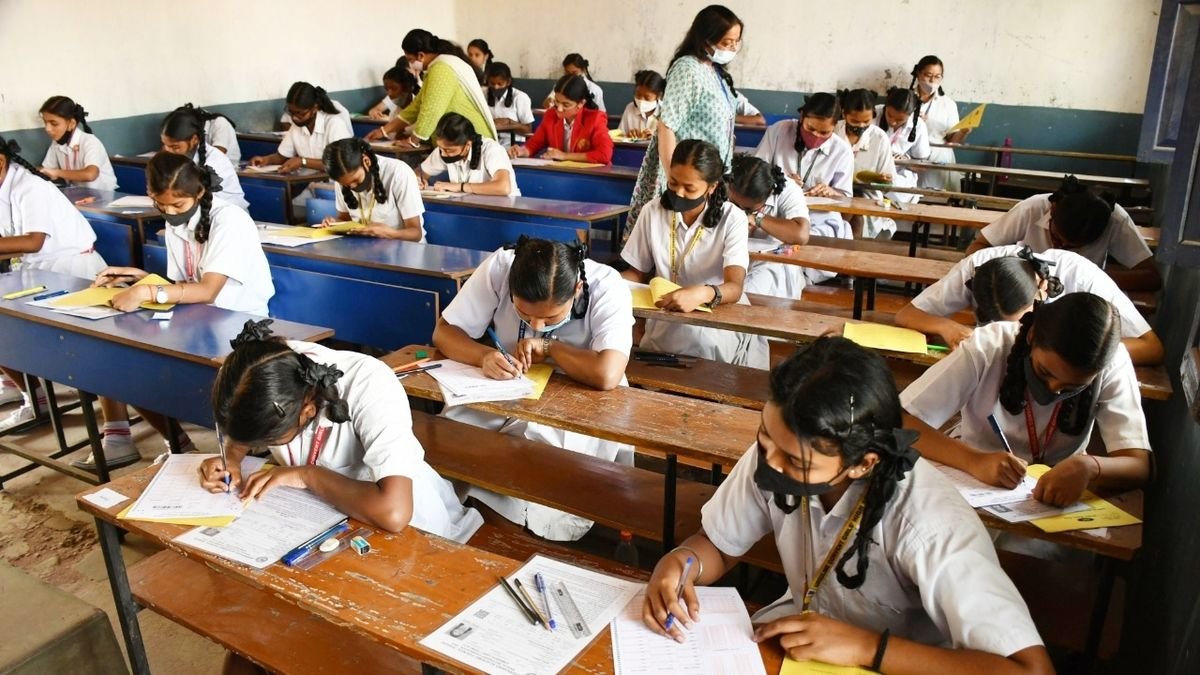





CBSE The Central Board of Secondary Education (CBSE) has implemented a three-language policy, which is an integral part of the Indian educational framework. This rule mandates students to learn three languages until they complete Class 10. The policy aims to promote multilingualism and cultural appreciation among students, fostering a sense of unity in diversity that characterizes Indian society.
The origins of the three-language formula can be traced back to the recommendations of the Kothari Commission in the 1960s. The commission emphasized the importance of linguistic proficiency and cultural understanding for national integration, leading to the policy’s formal adoption in schools. Under this system, students are generally expected to learn one language from the regional or state curriculum, one language from the national level, typically Hindi or English, and another language, which may be either of the two or an additional language, ensuring that students attain a balanced linguistic skill set.
For students transitioning to Class 9, the implications of the CBSE three-language rule can be significant. As students enter a critical phase of their academic journey, they may face challenges in balancing the expectations of proficiency in multiple languages. The requirement can also shape their subject choices and academic focus, potentially influencing their aspirations and career paths. This situation has prompted a growing debate among parents, educators, and students regarding the practicality and effectiveness of the three-language policy and its alignment with contemporary educational needs.
The Concerns of Parents and Students
In recent discussions about the Central Board of Secondary Education (CBSE) three-language rule for Class 9, various concerns have emerged from parents and students alike. One of the primary arguments against this mandate revolves around the heightened academic pressure it places on students. Parents express worry that the requirement to learn multiple languages may hinder students’ performance in core subjects. They argue that this pressure could detract from a student’s overall learning experience and academic success. Many parents feel that focusing on a single language could enhance proficiency, thereby allowing students to excel.
Another significant concern regards the feasibility of the three-language rule. Critics cite that such a policy may be unrealistic in diverse cultural and linguistic environments. In urban areas, where exposure to multiple languages can be advantageous, the rule may seem viable. However, in rural regions, where students may struggle to access adequate resources to learn these languages effectively, the practicality of adhering to the three-language rule comes into question. Parents have voiced concerns that educational institutions may not possess the necessary support systems to facilitate language learning adequately.
Additionally, students have voiced apprehensions about the relevance of this policy. Many argue that in a progressively globalized world, it is more important to focus on languages that hold practical value for future careers rather than mandating languages based on a rigid educational framework. Testimonials from students highlight feelings of frustration and resentment towards this policy, with some expressing that their time and energy would be better directed towards mastering subjects and skills that align with their individual aspirations and future endeavors.
The Impact on Students’ Academic Performance
The implementation of the three-language rule by the Central Board of Secondary Education (CBSE) has generated considerable discourse regarding its effects on students’ academic performance. As educational institutions strive to cultivate multilingual capabilities among students, concerns arise about the cognitive load associated with learning multiple languages, especially at the tender age of nine, where the students are still forming foundational knowledge in their primary language.
Studies show that learning more than one language can enhance cognitive flexibility and problem-solving skills; however, the demands of simultaneously mastering three languages may lead to overwhelming stress. Researchers have pointed out that this rule might inadvertently divert students’ focus from core subjects, impacting their overall academic engagement. The fear of falling behind due to language complexities may foster anxiety and disengagement among students, detracting from their learning experience.
Moreover, experts argue that the pressure to excel in various languages could lead to a decline in academic performance, particularly in areas that are not language-based, such as mathematics and science. The emotional burden of navigating multiple foreign tongues could inhibit a student’s ability to grasp complex concepts effectively. A survey conducted among educators revealed that many of them observed a correlation between the three-language rule and increased dropout rates among students who struggled with this requirement, as they felt overwhelmed by the dual demands of language proficiency and standard curriculum.
Furthermore, the need to achieve competency in three languages might create an environment where students perform solely for examination outcomes rather than cultivating a genuine love for learning. In this context, while multilingualism is commendable, the manner in which it is currently enforced may inadvertently disrupt the educational pathways of students, leading them to question their aptitude and interest in various subjects.
Possible Reforms and Alternatives to the Current System
The ongoing challenges faced by students and parents regarding the CBSE’s three-language rule have prompted discussions about potential reforms aimed at enhancing the language education landscape. To begin with, one of the most compelling alternatives is the introduction of more flexible language options. This flexibility would allow students to choose languages based on their interests and career aspirations, which may lead to more effective learning outcomes. For instance, the option to study a regional language or an internationally recognized language could cater to the diverse linguistic landscape of India.
Moreover, the implementation of support mechanisms for students who find themselves struggling with the three-language policy is crucial. Schools could establish dedicated language learning centers that facilitate personalized attention, enabling students to grasp the intricacies of each language. Such centers could offer tutoring sessions, language workshops, and additional resources that bolster the educational experience of all students, thus fostering an environment conducive to language mastery.
Additionally, a more personalized approach to language learning should be seriously considered. Tailoring language education to meet individual student needs could significantly enhance engagement and performance. For example, assessments could be used to identify students’ strengths and weaknesses in language acquisition. Based on these assessments, teachers could create individualized learning plans that emphasize areas needing improvement, thereby promoting better comprehension and retention of the languages studied.
Lastly, fostering collaboration between educators, parents, and educational institutions is essential in the quest for viable alternatives. By engaging in open dialogues, stakeholders can better understand the implications of the three-language rule and devise solutions that align with the educational goals of society while respecting the linguistic diversity that defines India.