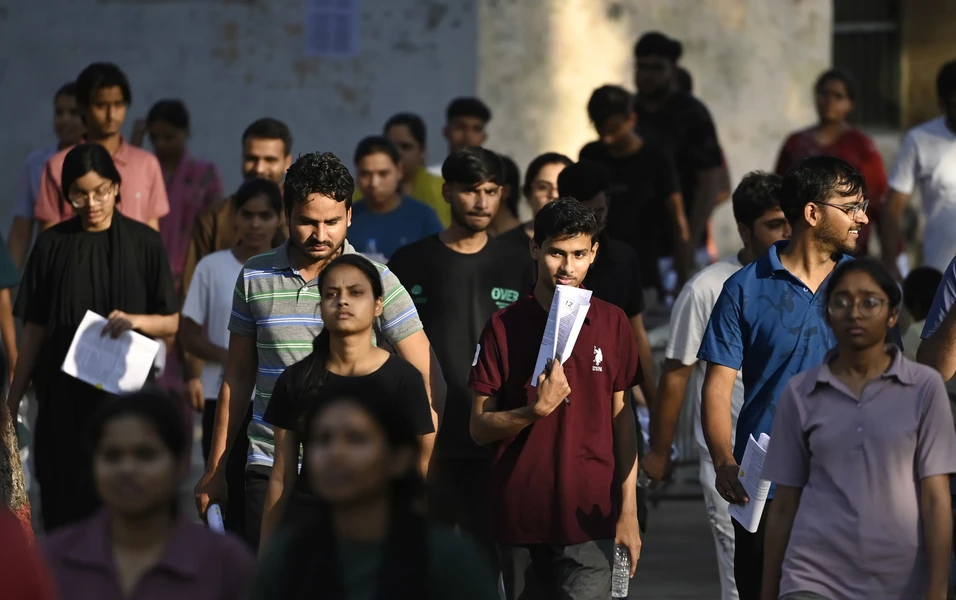
NEET-UG The National Eligibility cum Entrance Test (NEET-UG) serves as a critical gateway for aspiring medical students in India, facilitating admissions to undergraduate medical programs across the country. Since its inception, NEET-UG has become the primary examination for those seeking to enter reputable medical colleges, playing a pivotal role in shaping the future of healthcare professionals in India. The significance of NEET-UG is further underscored by the fact that it standardizes the selection process for thousands of candidates who sit for the exam each year, ensuring a merit-based approach to education in the medical field.
However, recent developments surrounding the NEET-UG exam have raised serious concerns regarding the integrity of the examination process. In 2024, the examination fell into controversy due to allegations of a paper leak that sparked widespread turmoil among students, parents, and educational institutions alike. Reports indicated that the examination papers were compromised ahead of the scheduled test date, leading to an immediate outcry from the aspirant community. Many students expressed their apprehensions regarding the fairness of the examination, prompting calls for accountability and transparency from the National Testing Agency (NTA), the organization responsible for conducting the NEET-UG.
In light of these events, the Supreme Court stepped in, advising the NTA on how to manage the situation effectively. This directive was aimed at restoring faith in the examination process and ensuring that appropriate measures were adopted to prevent such incidents in the future. The implications of the paper leak extend beyond the immediate cancellation of the exam; they pose a significant threat to the credibility of the NEET-UG framework. As students await further announcements regarding rescheduling and necessary reforms, the ongoing dialogue raises important questions about safeguarding the educational integrity in the increasingly competitive landscape of medical admissions.
Supreme Court’s Involvement: An Overview
The Supreme Court of India has played a pivotal role in addressing the issues surrounding the NEET-UG examination, particularly following the disturbing incidents related to paper leaks that emerged in 2024. The Court’s involvement not only underscores the significance of transparency in examinations but also highlights the weighty responsibility that rests with the National Testing Agency (NTA) in upholding the integrity of the evaluation process.
In light of the NEET-UG paper leak, the Supreme Court provided a comprehensive set of recommendations aimed at reinforcing the examination framework. One of the foremost suggestions was the implementation of advanced technological measures to monitor examination centers and candidate activities. This recommendation emphasizes the importance of employing modern tools to detect and deter malpractice effectively. Furthermore, the Court urged the NTA to establish clear protocols for responding to any future breaches, ensuring rapid intervention to protect the sanctity of the examination.
Legal arguments presented during the hearings underscored the potential repercussions for the NTA should it fail to implement the Court’s directives. The Supreme Court highlighted that negligence in addressing the integrity of the NEET-UG examination could weaken public trust and undermine the value of the qualifications obtained through this critical assessment. This intervention by the apex court not only aims to prevent future occurrences of similar events but also serves as a reminder of the legal obligations that educational institutions and testing agencies possess in maintaining a fair assessment environment.
In conclusion, the involvement of the Supreme Court in the NEET-UG paper leak case represents a crucial step toward ensuring the reliability and fairness of the examination process. The recommendations provided to the NTA call for immediate action and reflect a commitment to safeguarding the standards of educational assessments in India.
Impacts of the Cancellation on Students and Stakeholders
The cancellation of the NEET-UG examination has generated significant concern among students and various stakeholders involved in the medical admissions process. For students, the uncertainty surrounding their academic future can lead to heightened emotional distress and anxiety. Many had invested extensive time and resources in preparing for the examination, and its abrupt cancellation disrupts their expectations and goals. This situation may also affect their motivation to continue pursuing a career in medicine, as aspirations become clouded by instability and confusion.
Furthermore, parents bear a considerable emotional burden as they watch their children navigate this upheaval. They often experience feelings of helplessness, particularly when considering the long-term implications for their child’s academic journey. The unpredictability of new exam schedules only exacerbates their concerns regarding timely admissions into medical colleges. Alongside these emotional considerations, financial implications also arise, as families may need to invest further resources into preparatory courses or materials for a postponed examination.
In addition to the emotional and financial impacts on students and families, educational institutions are confronted with logistical challenges. The cancellation affects admission timelines and complicates the overall coordination of future examination preparations. Institutions must adapt their strategies for student recruitment amidst a shifting landscape, impacting their long-term planning and projections for incoming classes. The community response has varied; while some advocate for swift action to restore normalcy, others suggest systemic reforms to address the root causes of examination mishaps. Recommendations for moving forward include improving transparency in examination protocols and ensuring better support systems are in place for affected students.
Recommendations for Future Examination Integrity
The recent challenges surrounding the NEET-UG examination, particularly following the 2024 paper leak, have underscored the urgent need for re-evaluating and enhancing the integrity of standardized testing. The Supreme Court’s advice to the National Testing Agency (NTA) acts as a critical reference point to ensure that future examinations are secure, fair, and trustworthy. Implementing robust security measures is paramount to safeguarding the examination process. This may include advanced surveillance technologies, such as biometric verification and CCTV monitoring at examination centers, to deter any potential malpractice and to ensure accountability.
Furthermore, transparency in the examination process is essential. Clear communication about changes in examination protocols or regulations should be made available to all stakeholders, including students, educators, and parents. Regular updates on the status of the examination system and any security incidents should be published publicly, fostering a climate of openness that can enhance public confidence.
In addition to security and transparency, improving communication channels between the NTA and examination participants can significantly mitigate concerns regarding the integrity of future assessments. Establishing an accessible grievance redressal mechanism allows students to voice concerns or report irregularities promptly, ensuring that issues can be addressed efficiently. Regular stakeholder meetings involving educational institutions and student representatives can also cultivate a collaborative environment, allowing for feedback and suggestions that can drive continuous improvement in examination practices.
Ultimately, adopting these recommendations can help restore trust in the examination system. By prioritizing security, transparency, and communication, the NTA can work towards creating an environment that not only preserves the integrity of the NEET-UG examination but also affirms the value of meritocracy in the educational landscape.