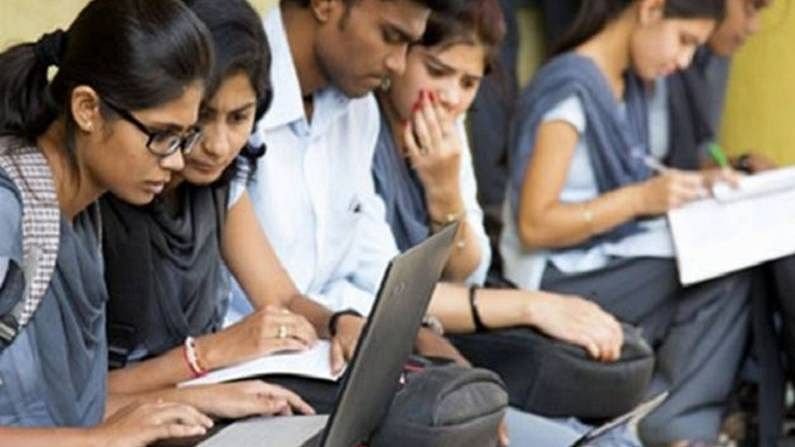
CBSE Class 12 The days leading up to the announcement of the CBSE Class 12 results are often characterized by a palpable atmosphere of anxiety and excitement among students. As the clock ticks closer to the expected date of result declaration, students from across the nation flock to social media platforms to express their myriad emotions. This digital outpouring of feelings captures the essence of a unique moment in their academic journey.
Many students take to platforms such as Twitter, Instagram, and Facebook to voice their concerns, share their hopes, and seek reassurance from their peers. Hashtags urging the Central Board of Secondary Education to expedite the result process rapidly gain traction, as students create a virtual community united by their shared experiences and anxieties. Posts are flooded with requests for updates on the declaration of results, symbolizing a collective sentiment that resonates deeply within this demographic.
This wave of anticipation often evokes varied reactions. While some display confidence in their performance, others grapple with doubts and fear of the outcomes. It is not uncommon to observe exchanges of advice, motivational messages, and reminders to stay positive among students. These interactions help to cultivate a sense of camaraderie, as individuals recognize that they are not alone in this anxious digital space.
Furthermore, the importance of social media in shaping the reactions and sentiments surrounding the CBSE Class 12 results cannot be overstated. It serves not only as an outlet for personal expression but also as a platform that amplifies the collective voice of students. Through this shared discourse, students find comfort and companionship during what is undeniably a stressful period in their academic lives. Thus, social media becomes pivotal in reinforcing the shared experience of anticipation as they await the revealing of their hard-earned results.
Understanding the CBSE Result Declaration Process
CBSE Class 12 The Central Board of Secondary Education (CBSE) is responsible for conducting examinations and declaring results for Class 12 students in India. The result declaration process is a detailed, systematic procedure that ensures accuracy and fairness in the assessment of students’ performances. Typically, the examination for Class 12 takes place in February and March, with results announced around May or June. This timeline can vary slightly each year, but students can anticipate results being declared within this general timeframe.
The process begins immediately after the conclusion of the exams, wherein answer sheets are collected and sent to evaluation centers across the country. Trained evaluators carefully assess the answer sheets, ensuring that all responses are marked according to the prescribed guidelines. After evaluation, the scores are compiled into a comprehensive result sheet for each student. CBSE emphasizes a rigorous verification process to maintain the integrity of the results.
Once the results are compiled, they undergo further quality checks before being formally announced. The results are then released online on the official CBSE website and through various other digital platforms, allowing students easy access to their scores. It is imperative for students to stay informed about the specific dates and methods related to the result announcement, as these results hold significant importance for their future. The Class 12 results can influence students’ admissions into colleges and universities, shape their career paths, and affect scholarship opportunities.
Understanding the CBSE result declaration process not only helps students manage their expectations but also equips them to prepare for future academic endeavors based on their performance. Familiarity with the timeline and procedures can alleviate anxiety and ensure that students remain well-prepared for the next steps in their academic journey.
How to Check CBSE Class 12 Results Online
CBSE Class 12 With the Central Board of Secondary Education (CBSE) Class 12 results highly anticipated by students across the country, accessing this information is crucial for their academic future. The process for checking these results online is straightforward, ensuring that students can quickly view their marks. Here, we will provide a clear, step-by-step guide to facilitate this process.
Firstly, students should visit the official CBSE website at cbse.gov.in. This is the primary source for obtaining results. Once on the homepage, students must locate the link that states “Results” or “Class 12 Results 2026.” This link can typically be found prominently displayed during the results announcement period.
Next, students will be directed to a new page where they will be required to enter specific credentials to access their results. The primary credentials include the students’ roll number, school code, and possibly their date of birth. It is essential that students have this information readily available to avoid any delays in accessing their results.
After inputting the necessary details, students should click the “Submit” button. In a few moments, the results will be displayed on the screen. This will include important information such as the student’s overall percentage, subject-wise marks, and pass/fail status. Students are advised to print a copy of the results for their records and to provide to their respective colleges or universities as needed.
In conclusion, following these steps will enable students to easily check their CBSE Class 12 results online, ensuring that they can stay informed about their academic performance without unnecessary complications.
Post-Result Guidance and Next Steps for Students
CBSE Class 12 Upon the declaration of the CBSE Class 12 results, a significant number of students may experience uncertainty regarding their future trajectory. It is imperative for students to understand that this moment, regardless of its outcome, serves as a crucial pivot point for their educational and professional futures. The initial step involves assessing one’s performance critically and stacking it against personal aspirations and career objectives.
For students who have achieved satisfactory results, a plethora of options awaits. Pursuing post-secondary education in fields such as engineering, medical sciences, liberal arts, or commerce can be considered. Enrolling in college often necessitates preparing for entrance exams—students should familiarize themselves with the examination formats and preparation strategies pertinent to their chosen fields. Various coaching institutes and online resources can aid in this preparation process, making the transition smoother.
Moreover, for those who may not have obtained results in alignment with their expectations, it is essential to remember that education is not a linear path. Vocational courses present excellent alternatives for skill development and employability. Programs in fields such as graphic designing, hospitality management, or information technology can provide a robust foundation for a successful career. Students should explore these vocational avenues without hesitation, as they too can lead to rewarding professions.
Furthermore, it is crucial to cultivate resilience during this time. Students are encouraged to engage in constructive conversations with mentors, teachers, or counselors. It can be beneficial to discuss alternate pathways and to outline a revised plan for future endeavors. Emphasizing a balanced view of success will assist students in navigating this transitional phase, reminding them that every experience contributes to growth and learning. Embracing change and remaining adaptable are key components in achieving long-term career fulfillment.