
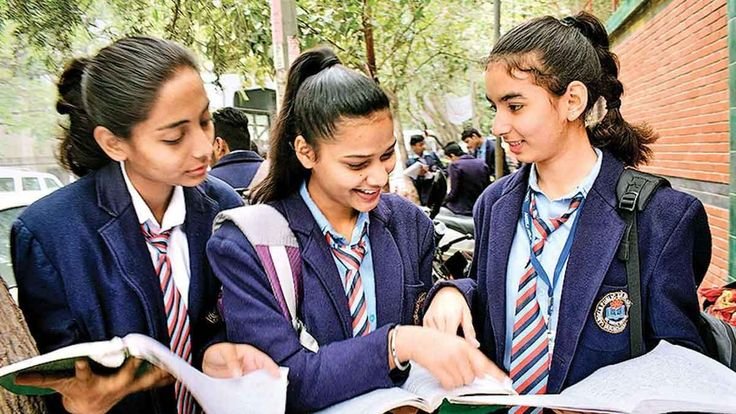
CBSE Announces Class 10 The Central Board of Secondary Education (CBSE) Class 10 board examinations hold substantial significance in the academic journey of students in India. These examinations typically serve as a crucial milestone that not only evaluates students’ knowledge and understanding of their respective subjects but also plays a key role in shaping their future prospects in higher education. Performing well in these exams can lead to various opportunities in senior secondary education and beyond.
In terms of structure, the Class 10 board examinations encompass a range of subjects that are pivotal to a well-rounded education. Core subjects include Mathematics, Science, Social Science, and languages like Hindi and English. Additionally, students may choose optional subjects such as Physical Education, Music, or Computer Science, depending on their interests and career aspirations. This diverse curriculum is designed to encompass a broad spectrum of knowledge, allowing students to explore different fields.
The assessment methods employed by CBSE are comprehensive, focusing on both theoretical knowledge and practical application. Each subject includes a theoretical exam, typically comprising multiple-choice questions, short answer questions, and long-form responses. Practical examinations and project work also contribute to the overall assessment, offering students a hands-on learning experience that is essential for subjects like Science and Computer Applications. This balanced approach to evaluation not only aids in gauging students’ conceptual understanding but also equips them with practical skills for real-world applications.
Details of the Second Board Examination Dates
CBSE Announces Class 10 The Central Board of Secondary Education (CBSE) has officially announced the dates for the Class 10 second board examinations, commencing on May 15. This year’s examination schedule includes a total of six subjects, with assessments spread across several critical dates up to May 26. Each subject has been thoughtfully timed to facilitate students’ preparation and reduce overlaps with important commitments.
The examination days are as follows: March 15 will see the English paper, followed by Science on May 17, Mathematics on May 19, Social Science on May 21, and a practical exam session scheduled for May 24. Finally, the last paper will be Hindi on May 26. This staggered approach aims to give students ample time to focus on individual subjects, thus enhancing their chances of performing well.
It is important for students to be aware of the deadlines for registration and submission of necessary documents. Registration for the second board examination will close on April 10, constituting an essential deadline for all candidates. Documentation such as previous mark sheets and identification must be submitted alongside registration to confirm eligibility. CBSE has made certain adjustments this year, including extended durations for some papers compared to past years to better accommodate students’ learning needs during this transitional period in education.
This announcement marks a significant step for Class 10 students as they prepare themselves for their board examinations. As they gear up for this crucial phase, it is essential that they also stay informed about any updates regarding logistics or changes in the examination process. Such knowledge will aid in creating a more streamlined examination experience for all involved.
Preparation Tips for Students
CBSE Announces Class 10 Preparing for the upcoming Class 10 second board examinations requires a well-structured approach to studying. To achieve optimal results, students should start by creating an effective study schedule. This schedule should incorporate all subjects and allocate sufficient time for each, ensuring that students cover the entire syllabus. Setting specific goals for each study session can also enhance focus and foster a sense of accomplishment.
When it comes to subject-wise preparation techniques, students should prioritize subjects based on their strengths and weaknesses. For instance, if a student finds mathematics challenging, it is prudent to dedicate more time to practicing mathematical problems, while still maintaining a consistent revision schedule for other subjects. Engaging in group studies can also be beneficial, as peers can provide various perspectives and explanations that enhance understanding.
Revision strategies play a crucial role in solidifying knowledge. Techniques such as summarizing topics in a structured format, using mind maps, and practicing past examination papers can significantly aid retention. Moreover, periodic self-assessments, through quizzes or timed drills, can help students gauge their preparedness and identify areas that require additional focus.
Stress management is another essential component of exam readiness. Students should incorporate relaxation techniques such as yoga, meditation, or simply taking regular breaks during study sessions. Maintaining a balanced lifestyle with adequate sleep, a nutritious diet, and physical exercise is equally important, as it directly affects cognitive performance and overall well-being.
Further, leveraging resources such as recommended textbooks, online courses, and practice papers can enhance the preparation process. Many websites offer mock tests and study materials that cater specifically to the CBSE board’s requirements, making them invaluable tools for students striving to succeed in their exams.
What to Expect During the Examination Process
As the CBSE Class 10 Second Board Examination approaches, it is crucial for students to be well-prepared for the examination process that lies ahead. On the examination day, students should arrive at their designated center well ahead of the scheduled start time. This allows them to familiarize themselves with the surroundings and reduces stress. Examination centers may have specific protocols in place, such as security checks, which students must adhere to.
Students should bring essential materials, including their admit cards, writing stationery (pens, pencils, erasers), and any permitted reference materials as specified by the examination guidelines. It is recommended that students avoid bringing any electronic devices, such as mobile phones or tablets, as these are typically prohibited in the examination premises. Adhering to these guidelines ensures compliance with the rules set forth by the CBSE and helps maintain the integrity of the examination process.
Time management is pivotal during examinations. Students should familiarize themselves with the exam format and the distribution of marks across sections to allocate their time effectively. During the exam, carefully reading through the questions and formulating a plan of which questions to tackle first can help improve efficiency. Additionally, setting time limits for each section can prevent any last-minute rush and anxiety.
It is normal for students to experience examination pressure. Developing strategies to manage this stress is essential for optimal performance. Techniques such as deep breathing, quick stretches, or brief mental breaks can assist in maintaining focus and calm during the exam. Students should also pay heed to instructions provided by invigilators, as compliance with these guidelines is critical to ensure a smooth examination experience.