
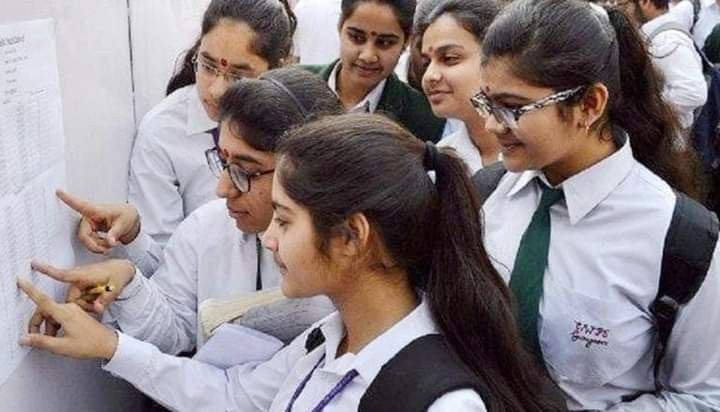
NEET 2026 The National Eligibility cum Entrance Test (NEET) is a pivotal examination for aspiring medical students in India, providing a pathway to undergraduate medical and dental programs across the country. Scheduled for 2026, NEET holds immense significance as it ensures that only qualified candidates gain admission into prestigious medical institutions. This standardized entrance examination serves as a benchmark for assessing candidates’ understanding of subjects such as Physics, Chemistry, and Biology, ultimately laying the foundation for their medical careers.
In this context, the National Medical Commission (NMC) plays a crucial role in overseeing the regulation and standardization of medical education in India. Established in 2019, the NMC aims to enhance the quality of medical education, ensuring that institutions adhere to established norms and guidelines while also emphasizing the importance of student attendance and performance. The regulatory body envisions a robust healthcare system supported by well-trained medical professionals.
Recently, the NMC issued a directive to medical colleges across India regarding student attendance and leave policies. This directive aims to improve students’ dedication and engagement in their educational pursuits. Under these regulations, medical institutions have been advised not to grant leaves to students for any reason during crucial academic periods, thereby encouraging consistent attendance and minimizing disruptions to the learning process. The mandate reinforces the importance of a structured academic environment where students are actively participating in clinical training and theoretical education.
As the NEET 2026 exam approaches, understanding the implications of the NMC regulations becomes increasingly important for students and educational institutions alike. Adhering to these guidelines is expected to foster a more disciplined approach to medical education, ultimately producing well-prepared healthcare professionals.
Reasons Behind the NMC Directive
NEET 2026 The National Medical Commission (NMC) has recently issued a directive prohibiting medical colleges from granting leave to students, a decision stemming from several critical concerns regarding the training and education of future healthcare professionals. One of the primary reasons behind this directive is to maintain the quality of education that medical students receive. With a comprehensive curriculum designed to equip students with essential knowledge and skills, any absence could severely disrupt their learning path, ultimately affecting their competence as future practitioners.
Another significant factor is the strict attendance requirements outlined in medical programs. Consistent attendance is vital to ensure that students are actively engaged in both theoretical and practical components of their training. The NMC recognizes that each lecture, demonstration, or clinical session is crucial, and any absence could lead to gaps in a student’s understanding of complex medical concepts. Hence, by enforcing strict policies regarding leave, the NMC aims to enhance the educational experience of medical students.
Furthermore, practical exposure is an essential aspect of medical training that cannot be substituted or made up easily. Students benefit from hands-on experiences in clinical settings, which prepare them for the realities of patient care. Missing out on these experiences due to leaves can diminish a student’s ability to perform effectively in real-world scenarios. The NMC’s directive emphasizes the need for uninterrupted learning and consistent exposure to clinical practices, ultimately ensuring students are well-prepared to meet the demands of their profession.
Additionally, there is a growing recognition of the correlation between attendance and academic performance. Research has shown that students who regularly attend classes and participate in practical sessions tend to perform significantly better on examinations and in their subsequent careers. By curtailing leaves, the NMC aims to bolster students’ academic success and readiness for the challenges they will face in their careers as medical professionals.
Implications for Medical Students and Colleges
NEET 2026 The National Medical Commission’s (NMC) recent directive prohibiting medical colleges from granting leave to students introduces significant implications for both students and educational institutions. For medical students, the impact may extend into various aspects of their lives, affecting their personal well-being, mental health, and academic performance. The intense demands of medical education often lead to elevated stress levels; thus, the inability to take leave may exacerbate these challenges. For instance, students balancing rigorous schedules alongside personal commitments such as family obligations or health issues may find themselves under increasing pressure without respite. This situation can contribute to burnout, anxiety, and diminished academic efficacy, potentially jeopardizing their long-term success in the healthcare field.
From an institutional perspective, medical colleges will need to reevaluate their academic calendars and adjust their programs accordingly in light of NMC’s directive. The requirement to maintain continuous attendance may necessitate a revision in course delivery methods and schedules to accommodate student workload while ensuring the maintenance of educational quality. This is particularly crucial in practical and clinical training environments, where hands-on experience is essential. Institutions will also have to develop strategies to manage the heightened stress levels among students, providing adequate support systems and mental health resources.
Additionally, this directive highlights the need for colleges to foster open communication with students regarding their academic demands and personal needs. By promoting a culture of understanding, institutions can work towards mitigating the adverse effects of such a policy. Ultimately, adapting to the NMC’s directive not only requires logistical adjustments but also a proactive approach to nurture a balanced learning environment conducive to academic success and overall well-being.
Future Outlook and Reactions from Stakeholders
The recent directive issued by the National Medical Commission (NMC) regarding student leave policies has stirred a considerable amount of discussion among stakeholders in the medical education sector. The decision to restrict leave for medical students is perceived by some as a necessary step towards ensuring academic rigor and professional preparedness. Consequently, this move is likely to impact the academic environment significantly, as institutions will need to adapt their schedules and programs to meet these new guidelines.
In the immediate term, this directive may lead to an increase in pressure and expectations placed upon medical students, which could affect their mental health and overall well-being. Stakeholders, including students and faculty, are concerned about the implications of this policy on the quality of medical education. Many educators believe that a balanced academic approach which allows for adequate downtime is crucial in shaping competent and compassionate healthcare professionals. Furthermore, feedback from students suggests a potential call for more flexible policies that accommodate personal circumstances while maintaining academic integrity.
Healthcare organizations have also expressed their views on this directive. Some industry professionals argue that a demanding education schedule without adequate breaks could lead to burnout, ultimately serving counterproductive to the goals of medical training. They advocate for a more holistic approach, where policies that promote mental and emotional health are equally prioritized alongside academic achievement.
As stakeholders continue to voice their opinions, the NMC may reassess and modify its approach to medical education. A collaborative dialogue between students, educators, and healthcare professionals will be important in shaping viable policies moving forward. As the landscape of medical education evolves, it remains crucial that the discourse reflects the needs and interests of all parties involved.