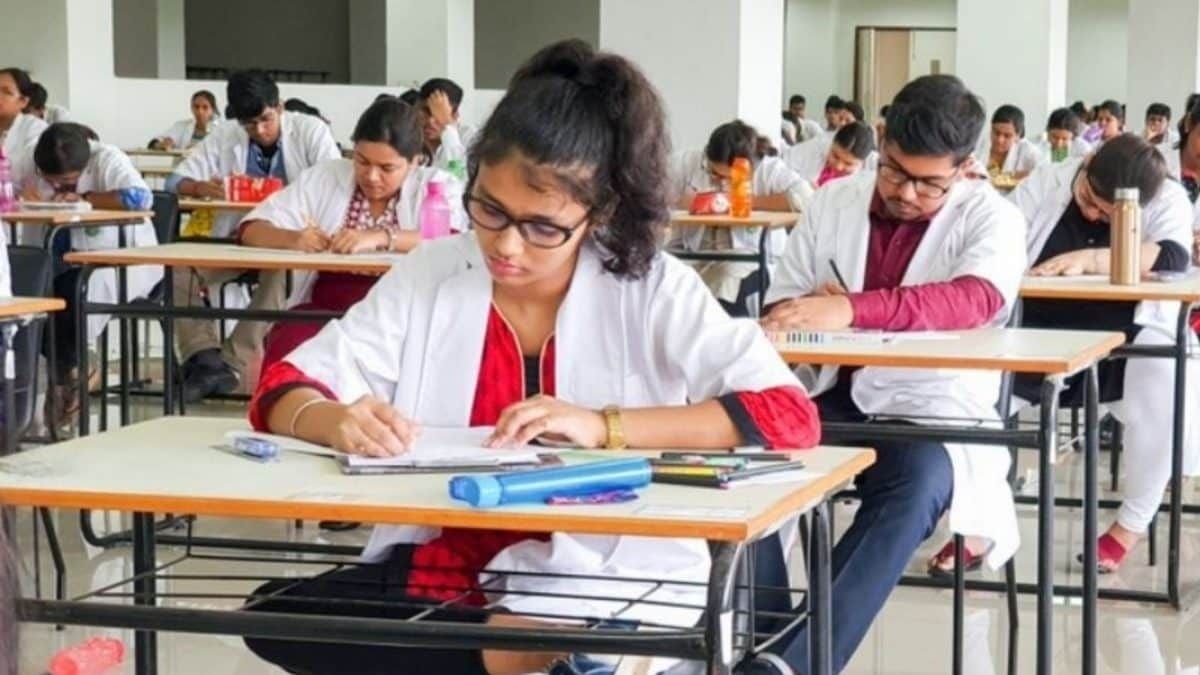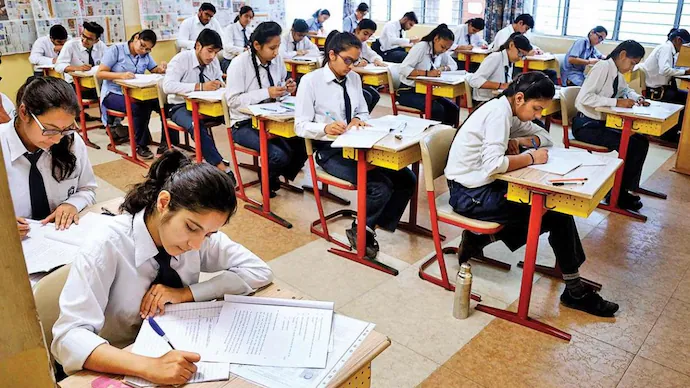





Patna Police The unfortunate demise of a NEET aspirant has garnered widespread attention and initiated a significant public discourse regarding the pressures faced by students in India. The individual in question, who was preparing for the National Eligibility cum Entrance Test (NEET), was reportedly in distress due to academic pressures and mental health challenges. Reports suggest that the aspirant exhibited signs of anxiety and depression, which are increasingly recognized as serious concerns among students striving for high stakes examinations.
The circumstances leading to the tragic event appear to have been exacerbated by the recent changes in NEET examination patterns and increased competition among candidates. Many students have expressed that the rigorous preparation and societal expectations contribute significantly to their mental strain, a sentiment echoed by educational psychologists who warn of the potential repercussions on student mental health. This alarming trend has raised important questions about the support systems in place for those preparing for such critical exams.
The public reaction to this incident has been overwhelming, with many people taking to social media to express their condolences and outrage over the systemic issues within the education system. Campaigns advocating for greater mental health awareness and support for students have gained traction, prompting calls for a re-evaluation of the academic pressure placed on young individuals. Media coverage has focused on the broader implications of the tragedy, highlighting the urgent need for reforms in educational policies and mental health resources.
The tragic death of this NEET aspirant underscores the critical interplay between educational demands and student well-being, highlighting an essential narrative that has yet to be fully addressed in society. As the discussion continues, it remains imperative to focus on creating an environment that prioritizes mental health alongside academic achievement.
The Role of Social Media in the Incident
Patna Police Social media has profoundly influenced contemporary dialogue and public perception regarding significant events and controversies. In the case of the retired IPS officer’s provocative posts related to the tragic death of a NEET aspirant, social media platforms emerged as a crucial arena for discussion and dissemination of opinions. Various posts, comments, and shares on platforms such as Twitter, Facebook, and Instagram contributed to a rapidly escalating public outrage.
The retired officer’s statements were marked by a provocative tone, which elicited strong reactions from the public, effectively polarizing opinions. Supporters of the officer argued for freedom of speech, while critics denounced his comments as insensitive and inflammatory given the context of the young aspirant’s untimely death. This dichotomy showcases how social media can act as both a conduit for diverse voices and a battleground for conflicting beliefs, often amplifying extremes rather than fostering discourse.
Moreover, social media’s immediacy and accessibility have far-reaching consequences. Within hours of the provocative posts being circulated, the sentiments surrounding the incident snowballed, leading not only to public outrage but also to demands for actions against the retired officer. The incident signifies how the platforms serve as catalysts, prompting responses from authorities and the general public alike in real time. As the situation developed, hashtags related to the incident gained traction, further solidifying the discourse.
In a broader context, social media’s role in shaping public opinion is increasingly visible in various sectors, including politics, social justice, and healthcare. The implications of this incident underscore the importance of recognizing the power and responsibility that come with social media engagement, as the line between personal expression and public accountability becomes increasingly blurred. Through nuanced discussions, the way social media influences perceptions and actions, particularly in crises, remains a critical area of exploration.
Patna Police’s Actions and Legal Implications
Patna Police The recent actions taken by the Patna Police regarding the retired Indian Police Service (IPS) officer have ignited discussions on the delicate balance between freedom of speech and accountability. Following the officer’s provocative social media posts, the Patna Police initiated a formal investigation, citing several legal provisions related to public order and communal harmony. The specific charges filed against the retired officer include promoting enmity between different groups and inciting hatred, which are serious allegations under the Indian Penal Code (IPC).
The rationale behind the police’s decisive actions stems from concerns regarding the potential impact of such posts on societal peace. By taking legal measures, the Patna Police aim to uphold the rule of law and demonstrate that no individual, regardless of their previous position, is above accountability. Legal precedents in India have highlighted the importance of ensuring that freedom of speech does not infringe upon the rights and well-being of others. Courts have often emphasized this balance, ruling in favor of maintaining public order when speech goes beyond personal expression to incitement.
Moreover, this incident raises broader questions regarding the implications of public figures’ statements on social media. In a democratic society, while individuals are entitled to their opinions, the responsibility to exercise this right judiciously is paramount. The legal response from the Patna Police reflects a growing trend where authorities are paying closer attention to online discourse, particularly when it pertains to sensitive topics that can affect communal harmony.
As this case unfolds, it will be essential to monitor the legal proceedings closely, as they may set important precedents regarding the intersection of free speech and accountability in public discourse. The outcomes could influence future guidelines on how former officials and public figures engage with societal narratives online.
Public Reactions and Media Interpretation
The recent actions taken by the Patna Police against a retired IPS officer have sparked a myriad of public reactions and media interpretations, reflecting the complexities surrounding themes of accountability and the responsibilities of public figures. Many citizens took to social media to express their views, often polarized between support for the police’s intervention and criticisms of what they perceived as heavy-handedness. Supporters argue that there is a critical need for law enforcement to uphold standards among individuals who once wore the uniform. This perspective highlights a broader societal expectation that public figures, especially those with authoritative backgrounds, must maintain decorum in their public expressions.
On the other hand, various commentators and sections of the media have raised concerns regarding free speech, suggesting that the police action could set a concerning precedent for censoring public discourse. This response underscores the tension between maintaining public order and protecting individual freedoms, a balance that societies continuously negotiate. The implications of this incident ripple through discussions about mental health, with many advocates emphasizing the need for kindness and understanding, especially from those in positions of influence.
Furthermore, educational initiatives have emerged in public discourse as potential solutions to address the issues surrounding mental health and the implications of provocative speech. Educational programs aimed at fostering emotional intelligence and critical thinking among individuals could be instrumental in reducing instances of inflammatory statements made by public figures. As the public debates the role of societal standards in mental health and accountability, these varying perspectives reflect deeper societal tensions, demonstrating the intricate dance between guidance and freedom in a democratic society.