




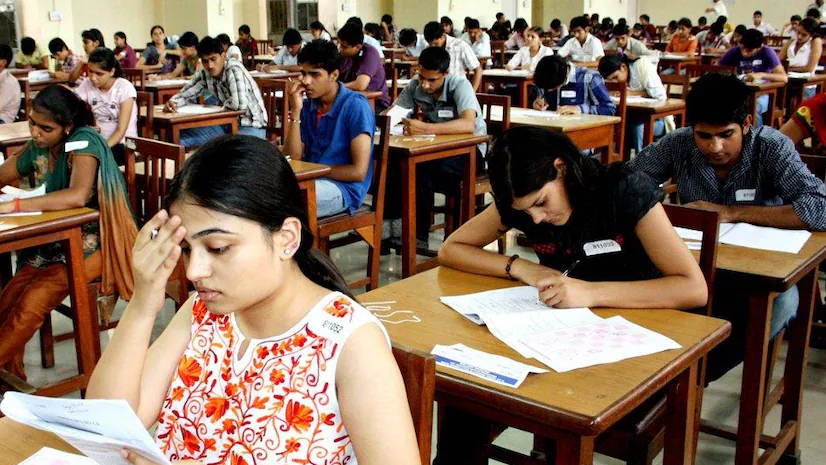
NEET Exam : The National Eligibility cum Entrance Test (NEET) is a pivotal examination for aspiring medical students in India. It serves as the single entrance test for undergraduate medical programs, including MBBS and BDS, across the country. Conducted by the National Testing Agency (NTA), NEET not only standardizes admission into numerous medical colleges, but it also holds immense significance for the future of students who wish to pursue careers in the medical field.
For students with disabilities, NEET poses unique challenges that can impact their preparation and overall performance. The exam is designed to test a candidate’s knowledge in subjects such as Physics, Chemistry, and Biology, which can be particularly demanding for students facing physical, sensory, or intellectual challenges. These students must navigate the same vast syllabus and competitive environment as their peers, often requiring additional support and accommodations.
Eligibility criteria for NEET Exam include a minimum percentage in the science subjects at the 10+2 level, and candidates must be a certain age to qualify for the exam. Moreover, aspirants belong to various categories, including those with disabilities, who may have different admission benefits and reservations, emphasizing the necessity of inclusive policies in the medical education sector.
The implications of NEET Exam extend beyond academic achievement; they shape the future career trajectories of countless students. Success in this exam opens the door to prestigious medical institutions and, ultimately, to fulfilling careers as healthcare professionals. Understanding the NEET exam’s structure and importance is crucial for aiding students, especially those with disabilities, in overcoming barriers and achieving their aspirations in medicine.
The Need for Enhanced Support Systems
As the National Eligibility cum Entrance Test (NEET) is a pivotal assessment for aspiring medical professionals in India, it becomes crucial to address the specific needs of students with disabilities during their preparation. Research has shown that students with disabilities often face significant hurdles that can affect their academic performance, particularly in high-stakes exams like the NEET. Therefore, an enhanced support system tailored to their unique requirements is essential.
One of the key components of such a support system is the development of customized study materials. Standardized textbooks and resources may not adequately meet the diverse learning needs of all students, especially those with visual or auditory impairments. Educational institutions should invest in adaptive learning technologies and alternative formats, such as audiobooks or Braille materials, to ensure that every student has an equal opportunity to understand and retain the necessary content.
Creating accessible learning environments is equally vital in fostering an inclusive academic culture. This encompasses physical accessibility in classrooms and libraries, as well as the incorporation of assistive technologies that promote engagement and participation. Additionally, training educators to understand the diverse needs of students with disabilities is imperative. Such training will better equip them to provide appropriate support and create an atmosphere conducive to learning.
Furthermore, the importance of having specific exam accommodations for students with disabilities cannot be overstated. This may include extended time, modified test formats, or the provision of a scribe to aid in the examination process. Activists in the field emphasize that current support systems are often insufficient, highlighting the necessity for systemic changes. Addressing these gaps is critical not only to promote equity in education but also to empower these future doctors in their pursuit of health care careers.
Current Initiatives and Legal Framework
The educational ecosystem is increasingly recognizing the need for supporting students with disabilities, particularly in the context of competitive exams like NEET. Various initiatives and legal frameworks have been established to foster an inclusive environment that enables these students to thrive academically. On the governmental front, policies such as the Persons with Disabilities (Equal Opportunities, Protection of Rights and Full Participation) Act, 1995, and the Rights of Persons with Disabilities Act, 2016, are foundational. These laws not only outline the rights of individuals with disabilities but also mandate educational institutions to provide necessary accommodations.
Moreover, the National Testing Agency (NTA) has been proactive in ensuring that students with disabilities have equitable opportunities during examinations. The NTA’s guidelines allow for specific accommodations including extra time, the use of assistive devices, and provisions for a scribe or reader during the exam. This framework plays a crucial role in mitigating barriers faced by students with disabilities, offering them a conducive environment to demonstrate their abilities effectively.
In addition to legal frameworks, several institutional programs have emerged that specifically cater to students with disabilities. Institutions are increasingly establishing support centers focused on providing tailored resources, such as counseling, tutoring, and workshops aimed at skill development. Moreover, success stories from various educational institutions illustrate how these initiatives have made significant impacts, leading to improved academic outcomes for students with disabilities. Despite the progress made, it is essential to acknowledge that challenges remain, particularly in raising awareness and ensuring the consistent implementation of these policies across all educational institutions. The continued advocacy for effective policies and legal protections is critical to advance the agenda of inclusivity, ensuring that students with disabilities can pursue their dreams in the medical field without hindrance.
Activists’ Calls to Action and Future Directions : NEET Exam
As advocacy for students with disabilities continues to gain momentum, activists are increasingly vocal about the necessary reforms surrounding the NEET exam. They urge stakeholders, including government entities, educational organizations, and civil society, to collaborate closely in creating a more accessible and inclusive environment for these aspiring doctors. The urgency stems from a shared belief that every student, regardless of their physical or learning challenges, should have equitable access to medical education opportunities.
A key strategy proposed by activists is the implementation of comprehensive support systems within educational institutions. This includes the establishment of dedicated counseling services that can address the unique challenges faced by students with disabilities. These services should guide them not only in their academic pursuits but also in developing strategies to tackle the NEET exam effectively. Training sessions for educators on disability awareness and inclusion practices are also deemed essential to ensure that all teaching staff are equipped to support these students adequately.
Moreover, research into innovative assessment methods tailored to diverse learning needs is critically needed. Advocates propose that the examination structure be revised to allow for alternative formats that do not compromise the integrity of the evaluation process. For instance, integrating oral assessments or practical demonstrations could provide students with disabilities an equal opportunity to showcase their knowledge and skills.
In addition, ongoing dialogue among all stakeholders will foster a better understanding of the obstacles faced by students with disabilities. Activists emphasize that feedback mechanisms should be implemented to continuously refine support systems based on the experiences and needs of students. By taking these concerted steps, the medical community can ensure that no aspiring doctor is left behind, advocating for a future where inclusivity prevails.