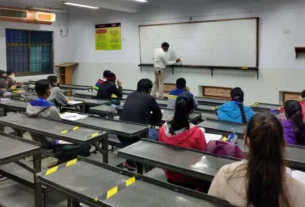
The National Eligibility cum Entrance Test for Postgraduate (NEET PG) 2026 serves as a crucial examination for medical graduates in India aspiring to secure seats in various postgraduate medical courses. This examination is conducted annually and holds significant importance as it establishes a standardized assessment procedure, ensuring that qualified candidates are selected for advancing their medical education and specialization.
With the ever-increasing number of medical colleges and courses across the country, NEET PG plays a pivotal role in streamlining the admission process. The examination not only evaluates the knowledge and clinical skills of the candidates but also serves as a benchmark for assessing readiness for advanced studies in medicine. Each year, thousands of candidates participate in this competitive examination, reflecting the growing interest among medical graduates to pursue higher education and specialization.
The impact of NEET PG extends beyond individual candidates; it significantly shapes the medical education landscape in India. By facilitating a centralized admission process, the examination enhances transparency and fairness, allowing students from diverse backgrounds to compete on an equitable platform. This uniformity helps in maintaining the quality of postgraduate medical education, ultimately aiming to elevate healthcare standards across the nation.
The NEET PG 2026 is anticipated to attract a large number of applicants, setting a stage for rigorous competition. The increasing number of candidates not only highlights the growing workforce requirements in the healthcare sector but also underscores the necessity for a reliable and transparent examination system. As the examination date approaches, the emphasis on preparing effectively and understanding the nuances of the NEET PG structure becomes paramount for aspiring candidates.
The Petition to the Supreme Court: Key Details
Recently, a significant legal action has emerged concerning the National Eligibility cum Entrance Test for Postgraduate courses (NEET PG) 2026. A petition was filed in the Supreme Court, spearheaded by a group of aspiring medical professionals who are advocating for greater transparency in the examination process. This group argues that the integrity of medical education stands on the clarity and openness of underlying examination protocols.
The primary contention of the petitioners revolves around the demand for the release of the actual questions and answer options utilized in the NEET PG 2026 examination. They maintain that access to this information is crucial not only for the assessment of their performance but also for ensuring fairness in the evaluation process. The petitioners point out that transparency in examinations allows candidates to understand the rationale behind grading decisions, therefore bolstering their confidence in the system.
Moreover, the petition highlights that a significant level of ambiguity currently exists regarding the marking scheme and the rationale for certain questions that were posed during the exam. This lack of clarity, according to the petitioners, can lead to potential discrepancies in how candidates are evaluated, potentially impacting their future careers in medicine. The plea seeks judicial intervention to mandate that the National Board of Examinations (NBE) uphold a standard of transparency that reflects accountability.
In the broader context, this call for transparency is not just a singular demand but part of a larger movement aimed at reforming the medical education system in India. By advocating for clear disclosure of examination materials, the petitioners hope to set a precedent that ensures future examinations maintain high standards of transparency and fairness. Ultimately, this legal challenge sheds light on the ongoing discourse regarding the necessity of open practices in educational assessments, revealing a collective desire for an equitable system that serves all stakeholders involved.
Arguments for Transparency: Why Actual Questions and Answer Keys Matter
The need for transparency in examination standards has gained significant traction in recent discussions surrounding the NEET PG 2026. Advocates for releasing actual questions and answer options, along with the corresponding answer keys, put forth several compelling arguments. One of the primary benefits is the enhanced fairness that such transparency brings to the examination process. When candidates are provided with access to the actual questions and answer options, they can engage in a more equitable preparation process. This openness ensures that all examinees are on the same playing field, reducing any perceived biases that may arise from the subjective nature of question selection.
Moreover, transparency significantly alleviates anxiety among candidates. The nature of high-stakes examinations like NEET PG can be inherently stressful, with candidates often grappling with uncertainties regarding the exam format and content. By making past questions and the answer key available, candidates can familiarize themselves with the examination style and question types, thereby reducing performance anxiety. This familiarity can lead to improved performance, as candidates are likely to approach the examination with greater confidence and clarity, knowing they have prepared effectively.
Enhanced credibility of the examination is another critical aspect of this discussion. Transparency surrounding the examination process fosters trust among candidates and stakeholders alike. When candidates are aware that the questions and answer key are publicly accessible, it creates a sense of accountability within the organizing bodies. Such measures can significantly boost the integrity of the examination, assuring stakeholders that the process is not only rigorous but is also aligned with established standards of fairness and equity.
In conclusion, the arguments for releasing actual questions, answer options, and the answer keys are deeply rooted in principles of fairness, anxiety reduction, and credibility enhancement. These elements collectively reinforce the call for greater transparency in the NEET PG examination process.
Implications of the Court’s Decision
The recent legal proceedings concerning the National Eligibility cum Entrance Test for Postgraduate (NEET PG) have sparked significant discussion around the implications of the Supreme Court’s potential ruling. If the Court decides to endorse the petition advocating for increased transparency in examination standards, it could initiate substantial transformations in the landscape of medical education assessments.
One immediate implication could be the establishment of more stringent accountability measures for the examination authorities overseeing NEET PG. Currently, concerns surrounding fairness and transparency have been prevalent, with many candidates expressing anxiety over the integrity of the examination process. A decision favoring transparency would likely mandate these authorities to develop clearer guidelines and protocols that govern the assessment procedures, thereby instilling greater confidence among candidates.
The decision could also encourage a paradigm shift in how examination results are disseminated and interpreted. Enhanced transparency might lead to the publication of more detailed performance analytics, enabling prospective students to engage with their own data meaningfully. Such measures would help demystify examination outcomes and could serve as a catalyst for educational reforms, ensuring that students are well-equipped for their future roles as healthcare professionals.
Furthermore, a ruling supporting transparency may cultivate a sense of trust in the assessment process. Trust is vital for the credibility of any examination system, particularly in a field as critical as healthcare. With a more transparent framework, students might feel more assured that the system operates equitably, helping to mitigate any doubts regarding favoritism or bias during the evaluation phases.
Finally, such a ruling could set a precedent for future assessments within medical education in India. The establishment of clearer standards and expectations could influence how similar examinations in various fields operate, promoting a culture of transparency across the educational sector.