CBSE The Central Board of Secondary Education (CBSE) conducts board examinations for students of Class 10 and Class 12, serving as a significant milestone in their academic journey. These exams are conducted annually and play a crucial role in determining students’ future educational opportunities. The CBSE board exams are recognized across India, making them an integral part of the country’s education system.
For Class 10 students, the board exams provide an essential foundation for higher secondary education. Students typically prepare for a range of subjects, including languages, science, mathematics, and social studies. These subjects are designed to develop critical thinking, analytical skills, and a deep understanding of core concepts. Performance in these examinations not only reflects their comprehension and retention of the curriculum but also affects their eligibility for advanced studies.
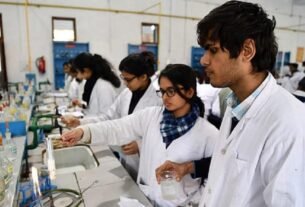
Similarly, the Class 12 board exams hold immense importance as they act as a gateway to higher education institutions. Subjects offered include, but are not limited to, science (Physics, Chemistry, Biology), commerce (Accountancy, Business Studies, Economics), and humanities (History, Political Science, Geography). The format of the exams generally includes theoretical papers as well as practical assessments, which provide a comprehensive evaluation of the students’ abilities.
The significance of the CBSE board exams extends beyond just grades; they serve as a benchmark for students’ preparedness to tackle future academic challenges. As students aim for various educational and career paths, the results from these exams are crucial not only for college admissions but also for competitive examinations in various fields. The journey of preparation requires guidance, time management, and a well-structured study plan to navigate the complexities of the syllabus and the examination format effectively.
Expected Tentative Dates for 2027 Exams
CBSE As students and educators prepare for the 2027 CBSE board exams for Class 10 and Class 12, understanding the expected tentative dates becomes essential. Based on historical trends, the CBSE typically conducts these examinations in the months of February and March. The schedule usually begins with the Class 12 examinations, followed by those for Class 10. This timeline allows students ample time to revise and prepare, aligning with the academic calendar.
In previous years, the exams have commenced around the first week of February, often extending into the middle of March, with results typically announced by the end of May. However, it is crucial for students and parents to note that these dates can vary slightly depending on various factors, including local holidays and the overall education schedule set by the CBSE. Therefore, staying attentive to official notifications from the board is paramount for accurate planning.
The determination of these dates involves several criteria, including logistical arrangements, the completion of syllabi by educational institutions, and the need to avoid overlap with other significant examinations. Given the impact of such factors, one can surmise that the CBSE will aim to maintain a similar schedule for the 2027 exams as seen in previous years.
In conjunction with the academic calendar, the timing of these exams plays a significant role in a student’s preparation strategy. Adequate preparation not only aids in better performance but also helps manage stress levels as the examination period approaches. To ensure one is well-prepared, students should keep abreast of any changes to the schedule and engage in a consistent study routine well ahead of the tentatively scheduled dates.
Preparation Strategies for Students
CBSE Effective preparation for the Central Board of Secondary Education (CBSE) board exams requires a strategic approach that encompasses various study techniques, time management skills, and resource utilization. Students must develop a personalized study plan tailored to their strengths and weaknesses. This plan should incorporate a variety of learning methods, such as visual aids, summarization, and practice tests, to enhance information retention and comprehension.
One essential technique is the Pomodoro technique, which involves studying in focused intervals of 25 minutes followed by a 5-minute break. This method helps maintain concentration and can reduce the likelihood of burnout. Additionally, creating a clear timetable that allocates specific time slots for each subject ensures that students cover all their materials adequately. Regular revision is also crucial; students should revisit topics periodically to reinforce their understanding and memory.
Time management plays a critical role in preparing for exams. Students should prioritize their subjects based on difficulty and the amount of syllabus remaining. For instance, more challenging subjects may require additional focus and time allocation. Setting realistic goals and deadlines for each study session can increase productivity and help track progress.
Moreover, utilizing available resources is vital for effective preparation. This can include textbooks, online platforms, and tutorials that provide diverse materials and practice questions. Joining study groups can also be beneficial, as discussing concepts with peers enhances understanding and retention of information.
Equally important is maintaining a balanced approach during exam preparation. Students should integrate regular breaks, physical activity, and relaxation techniques into their routine to manage stress effectively. Practices such as mindfulness and deep breathing exercises can improve mental health, ensuring that students remain motivated and focused during their study period.
Key Tips for Parents and Guardians
As the CBSE Board Exams approach, it is crucial for parents and guardians to play an active and supportive role in their children’s preparation. Creating a conducive study environment is essential, as it allows students to focus better on their studies. Ensure that the study area is well-lit, organized, and free from distractions. A quiet space with necessary materials readily available can help enhance concentration and productivity during study sessions.
Open communication is another critical aspect when supporting students during this important time. Encourage children to share their feelings regarding the exams, including their apprehensions and pressures. This discussion can alleviate anxiety and make them feel understood. It is beneficial to listen to their concerns without judgment and offer reassurance. Help them understand that it is natural to feel stressed but finding healthy ways to cope is vital.
In addition to a supportive environment and open communication, it is also important to monitor your child’s emotional well-being. The pressure to perform well in exams can be overwhelming, and recognizing signs of stress or anxiety is essential. Encourage regular breaks during study periods, as these can significantly enhance information retention and reduce fatigue. Physical activity, even simple exercises or walks, can serve as an effective stress reliever.
Moreover, parents should advocate for balanced lifestyles during this period. Ensure that your child maintains a healthy diet, stays hydrated, and gets sufficient sleep. These factors directly contribute to better cognitive function and mood stability. Religious practices or mindfulness activities, such as meditation, may also provide benefits by fostering a sense of calm and focus.
Ultimately, your support as a parent or guardian plays a significant role in how students navigate the board exam season. Being present and understanding their journey can lead to improved performance and emotional health during such a critical period in their academic careers.