
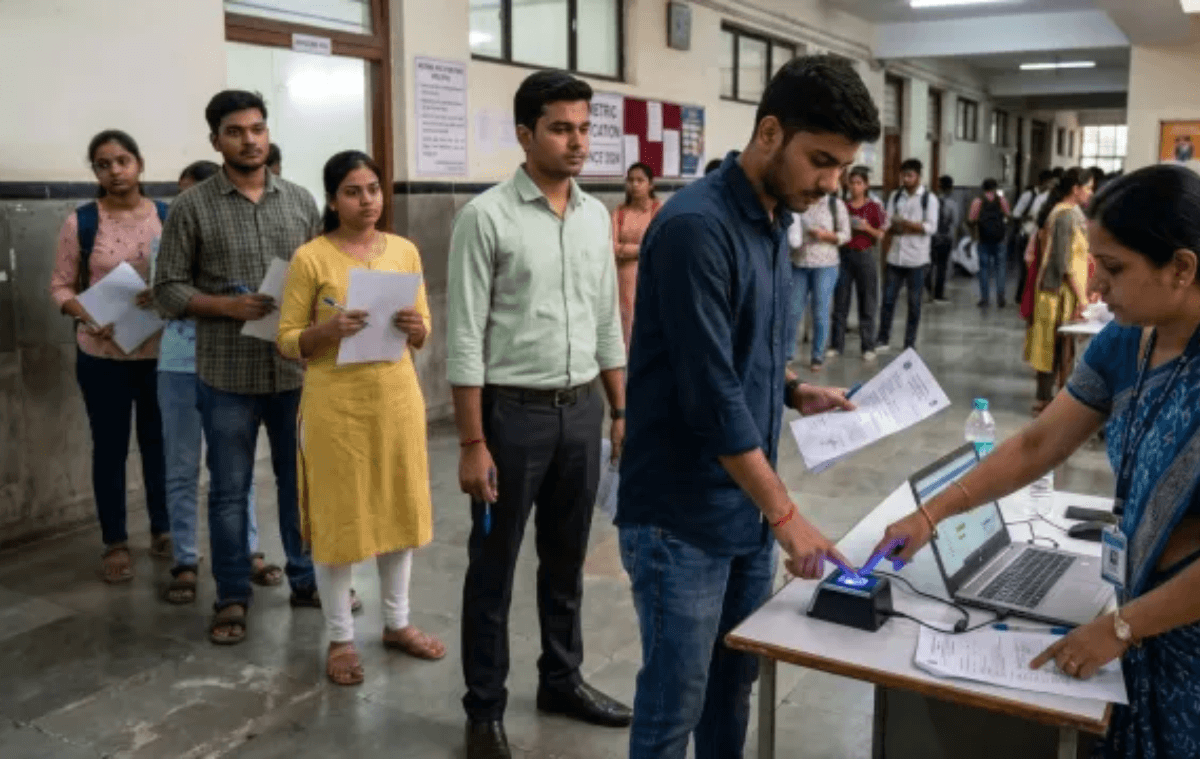
The National Eligibility cum Entrance Test (NEET) serves as a pivotal assessment tool in India’s educational landscape, primarily aimed at facilitating admission into undergraduate medical programs across the country. Governed by the National Testing Agency (NTA), this standardized examination plays a significant role in determining the eligibility of candidates aspiring to pursue careers in medicine. Given the profound impact that NEET has on students’ futures, maintaining the integrity and fairness of the examination process is paramount.
In this context, biometric verification has emerged as a crucial element of the examination framework. Biometric systems utilize unique physical characteristics such as fingerprints and facial recognition to accurately identify candidates during the assessment. By implementing biometric verification, examination authorities can effectively mitigate the risk of impersonation and ensure that the individual sitting for the test is indeed the registered candidate.
The objectives behind incorporating biometric verification into the NEET process are multifaceted. Primarily, it aims to enhance the transparency and security of the examination environment, thereby fostering a sense of trust among candidates, educators, and stakeholders within the educational realm. Furthermore, the adoption of biometric systems aligns with global best practices in examination management, reflecting a commitment to uphold high standards of integrity in assessments.
Through the rigorous application of biometric verification, the NEET examination exemplifies the integration of technology in education, aiming not only to streamline the admission process but also to strengthen confidence in the outcomes it produces. As we delve deeper into the vetting process of NEET re-test biometric verifiers, it becomes evident that these measures are not merely procedural; they are crucial to ensuring that the sanctity of the examination is preserved, ultimately benefiting both the students and the medical fraternities.
The Role of NTA in NEET Biometric Verification
The National Testing Agency (NTA) plays a crucial role in the administration of various national examinations, including the National Eligibility cum Entrance Test (NEET). As a pivotal organization in Indian education, NTA’s primary responsibilities encompass the smooth execution of examinations, ensuring transparency, and maintaining the integrity of the examination process.
One of the significant aspects of NTA’s mandate is the implementation of stringent security measures to deter any malpractices during exams. This includes the integration of biometric verification processes, which have been introduced to enhance the verification of candidates’ identities. By employing biometric technologies, NTA aims to create a foolproof system that minimizes the chances of impersonation and ensures that only authenticated candidates are allowed to take the examination.
Despite NTA’s advancements in security protocols, there are often misconceptions regarding its role in the biometric verification process. While the agency does oversee the implementation of biometric systems, it is essential to recognize that its responsibilities are broader in scope. NTA does not solely manage the technology but coordinates with various stakeholders, including examination conductors and technology partners, to ensure that the entire verification process runs efficiently.
Moreover, the biometric verification system is just a part of NTA’s comprehensive approach to securing the NEET examination. This includes other measures like CCTV surveillance, strict entry protocols, and the use of advanced technology to detect any irregularities. Ultimately, NTA’s involvement in the NEET biometric verification is integral to upholding the examination’s credibility, thereby ensuring that healthcare aspirants are selected based on merit, free from malpractices.
Findings of the RTI Inquiry
The inquiry conducted under the Right to Information (RTI) Act has shed light on the vetting process concerning the biometric verifiers utilized during the NEET re-test. This investigation focused on unveiling who was responsible for vetting these verifiers, the selection criteria employed, and any inconsistencies that were identified within the process.
The primary finding indicates that the responsibility for vetting these verifiers was assigned to a designated committee, which appeared to operate with a considerable degree of autonomy. It has been revealed that this committee was composed of representatives from various educational and technical backgrounds, yet the specific qualifications and expertise of individual members raised questions regarding the thoroughness of the vetting procedures. Through RTI responses, it became apparent that while certain benchmarks for assessment were established, they were not uniformly applied across all candidates, suggesting potential disparities in the selection process.
Additionally, the criteria outlined in the initial framework seemed to lack clarity, which left room for subjective interpretation during implementation. Insufficient documentation regarding how each verifier was evaluated further complicates the transparency of the vetting process. It is crucial to note that some stakeholders have reported discrepancies in the personal data provided by verifiers, which might not have been adequately cross-checked against official records.
The findings underscore the need for rigorous oversight and clarity in the vetting process of biometric verifiers associated with NEET re-tests. These insights emphasize the importance of public accountability in ensuring that the biometric verification system operates fairly and effectively. Moving forward, additional scrutiny may be necessary to uphold the integrity of the selection and vetting processes to mitigate any potential issues in future assessments.
Implications and Future Considerations
The findings from the Right to Information (RTI) inquiry into the vetting process of biometric verifiers used in the NEET examination carry significant implications for the overall credibility of the examination system. The revelations highlight potential gaps in the selection and oversight of biometric verifiers, raising concerns regarding not only the integrity of individual examinations but also the general trust in the outcomes of such a high-stakes assessment. The NEET process, which serves as a crucial gateway for aspiring medical students in India, is dependent upon public confidence in its fairness and authenticity.
Addressing the shortcomings identified through the inquiry is essential for restoring trust. It is imperative that the authorities consider implementing a more rigorous vetting process for biometric verifiers, which includes comprehensive background checks and verification of credentials. This proactive approach would help ensure that individuals responsible for overseeing the biometric identification are not only qualified but also exhibit a high standard of integrity.
Furthermore, enhancing transparency within the vetting process could lead to greater accountability. By publicly disclosing the criteria and methodologies used for selecting biometric verifiers, stakeholders can better understand the mechanisms at play, fostering an environment where accountability is prioritized. Regular audits and assessments of the biometric verification system should also be instituted to monitor its efficacy and to rectify any discrepancies that may arise.
Engaging with key stakeholders, including educational institutions and examination bodies, is crucial in formulating a robust framework. Gathering input from a diverse range of perspectives can ensure that the measures adopted are comprehensive and address the myriad concerns that have surfaced. Moving forward, a focus on elevating the standards and practices surrounding the vetting of biometric verifiers will not only enhance the credibility of the NEET examination but will also contribute positively to the educational landscape as a whole.