
The National Eligibility cum Entrance Test (NEET) serves as a vital gateway for students aspiring to pursue medical education in India. This standardized examination allows candidates to assess their knowledge in key subjects such as Physics, Chemistry, and Biology, providing a level playing field for applicants from diverse educational backgrounds. NEET is pivotal as it determines the eligibility of candidates for admission to medical colleges and courses, making the integrity of its evaluation process essential.
Integral to the assessment process is the Optical Mark Recognition (OMR) sheet, a technology that facilitates the efficient and accurate collection of students’ responses during the exam. OMR sheets allow for quick scanning and grading, drastically reducing the potential for human error in evaluating examination papers. Each sheet contains numerous bubbles corresponding to multiple-choice questions, and it is imperative that these are marked correctly to reflect the true performance of each candidate.
However, discrepancies in OMR results can have serious repercussions on a candidate’s academic journey. Such discrepancies may arise from factors such as mis-scans, marking errors, or technical glitches, leading to inaccurate results that could affect a student’s admission prospects. The implications of these discrepancies extend beyond mere scores; they can influence a candidate’s future career path and opportunities in the medical profession. Moreover, such issues can erode trust in the examination system, prompting calls for transparency and reform in the evaluation process to ensure that all candidates are assessed fairly and equitably.
Supreme Court’s Decision: Key Details
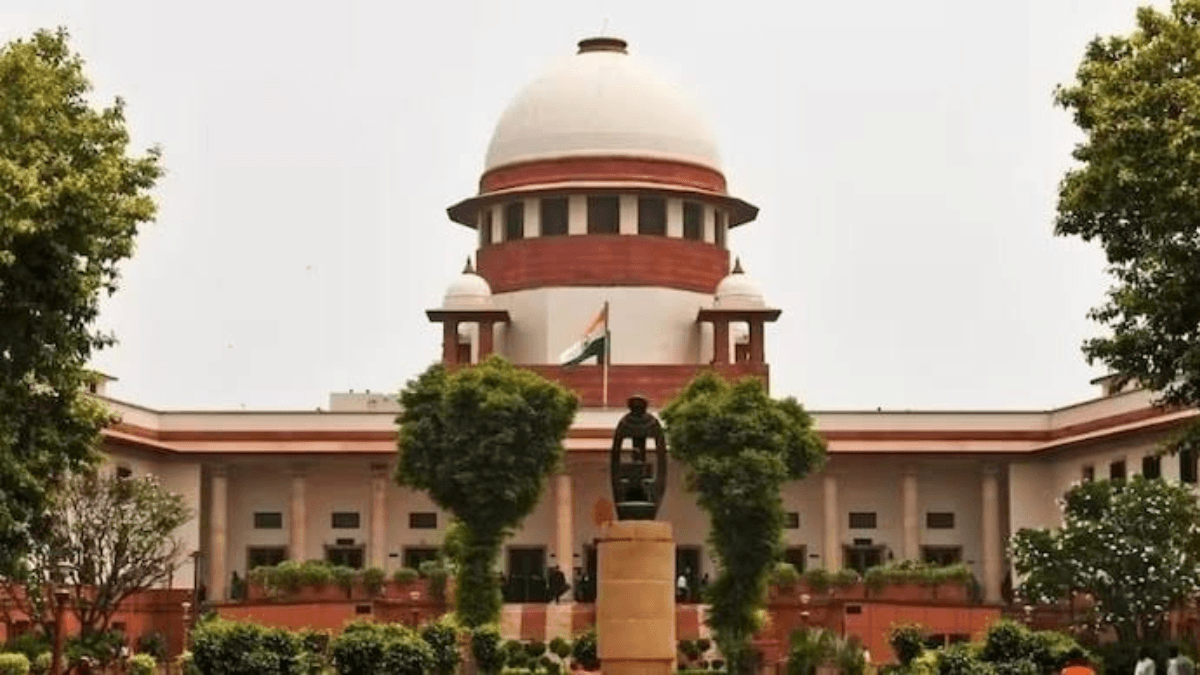
The recent ruling by the Supreme Court concerning the discrepancies in the NEET 2026 OMR sheets has garnered significant attention within the educational and legal communities. The court’s decision to reject the plea addressing these discrepancies was based on a thorough examination of both the procedural and substantive aspects of the case. The justices emphasized the necessity of maintaining integrity in the examination process, underlining the importance of the OMR sheets in ensuring a fair assessment of candidates.
Central to the Supreme Court’s ruling was the assessment of legal precedents that govern examination protocols and candidate rights. The court referenced previous decisions that highlighted the importance of transparency in examination processes, affirming that the discrepancies observed did not materially affect the outcome of the results. This reasoning was pivotal in the court’s conclusion to reject the petitioner’s claims. They noted that procedural anomalies, while concerning, did not meet the threshold required to warrant an overturning of the results.
Furthermore, the implications of this ruling extend beyond the immediate case, setting a precedent for future actions concerning examination discrepancies. Candidates must now tread carefully when approaching the court concerning examination irregularities, as the Supreme Court has established a clear standard. The court’s affirmation of the examination process reinforces the significance of the institutional framework overseeing such assessments, thereby instilling confidence in the overall integrity of medical entrance examinations.
In this context, it is essential for stakeholders, including candidates and educational institutions, to understand the nuances of this ruling. The decision not only addresses the immediate situation of NEET 2026 but also shapes future legal challenges related to examination grievances across various competitive exams.
Alternatives: Approaching the High Court
Following the Supreme Court’s ruling regarding the discrepancies observed in the NEET 2026 OMR sheets, students may find themselves contemplating various options for recourse. One significant alternative is to approach the High Court, which provides a legal pathway for students seeking justice. This approach can be pivotal for those who believe that their rights have been compromised due to the aforementioned discrepancies.
Initially, it is crucial for candidates to consult legal experts who specialize in educational law. Their guidance can clarify the process involved in filing a petition in the High Court. The first step typically includes the preparation and submission of a writ petition, outlining the grievances related to the Supreme Court’s ruling. This petition must be thorough, including all relevant details regarding the alleged discrepancies and the impact on students’ academic futures.
Once the petition is filed, the High Court will schedule a hearing where both parties can present their case. It is important for students to gather substantial evidence to support their claims, as this can significantly influence the court’s decision. The potential outcomes of such a case can vary; the court may uphold the Supreme Court’s ruling, overturn it, or even provide specific directions for rectifying the issues identified. In some instances, the High Court may order a re-examination or direct a fresh evaluation process, which can alleviate students’ concerns.
Candidates considering this legal route should remain aware of the timeline involved, as cases in the High Court can take time to resolve. Furthermore, it is advisable to keep a comprehensive record of all communications and documents pertaining to the NEET 2026 OMR discrepancies. Seeking legal redress in such situations not only serves individual interests but can also contribute to a broader dialogue about educational fairness and transparency.
Impact on NEET Candidates and Future Exams
The recent ruling by the Supreme Court regarding discrepancies in the OMR exams for NEET 2026 has far-reaching implications, not only for the candidates involved but also for the broader framework of future examinations. One of the most significant impacts of this ruling is likely to be on the mental health of NEET candidates. Many students invest considerable time and emotional energy in preparing for this critical exam, and any irregularities can lead to feelings of anxiety, stress, and disillusionment. The Supreme Court’s acknowledgment of these discrepancies may lead to an increased awareness about the psychological burden placed on students, prompting educational authorities to implement more robust support systems for candidates.
Additionally, the ruling has the potential to influence the academic futures of current NEET aspirants. By addressing the flaws in the examination process, the court’s decision can enhance the validity and reliability of the results. Students are more likely to trust the outcome when they believe the examination process is equitable and transparent. This trust is crucial, as it directly affects their motivation to pursue careers in medicine and allied fields.
Looking ahead, this ruling may also instigate reforms in the administration of future NEET exams. Educational bodies may now feel compelled to review their policies concerning OMR evaluation procedures, ensuring that they adhere to higher standards of accuracy and integrity. Potential enhancements could include the introduction of advanced scanning technology or more stringent checks for discrepancies. Such measures not only reinforce the fairness of examinations but also promote public confidence in academic assessments.
Ultimately, the Supreme Court’s decision signals a pivotal moment for NEET candidates and examination authorities alike. It underscores the importance of accountability in educational processes and sets a precedent for handling discrepancies in future exams. In conclusion, the implications of this ruling extend well beyond the immediate aftermath, potentially reshaping the landscape of medical admissions in India and ensuring that candidates and stakeholders can have greater confidence in the examination system.