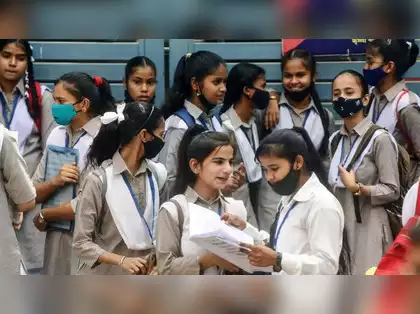







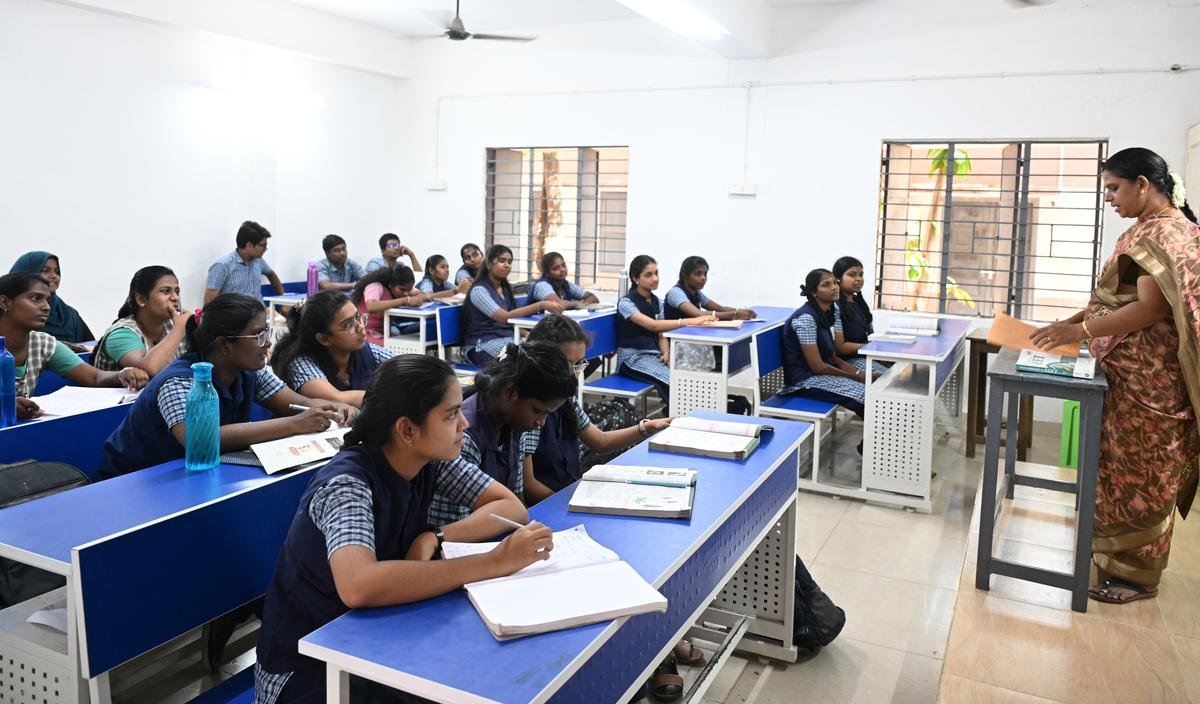
CBSE Schools The Central Board of Secondary Education (CBSE) has announced a significant policy shift aimed at enriching the linguistic capabilities of students in the academic curriculum. Starting July 1, students in class 6 will be required to learn two Indian languages. This initiative underscores the importance of preserving and promoting India’s rich tapestry of linguistic diversity. With over 1,600 languages spoken across the country, the decision to introduce dual-language instruction reflects a commitment to fostering multilingualism among younger generations.
The rationale behind this policy is deeply rooted in India’s educational philosophy, which recognizes that language is a conduit for cultural expression and identity. Encouraging students to engage with multiple languages not only enhances their cognitive abilities but also cultivates a sense of respect and appreciation for different cultures within the nation. This dual-language approach aligns with the National Education Policy (NEP) 2020, which mandates the promotion of regional languages and aims to improve proficiency in native languages as part of students’ holistic development.
Furthermore, integrating two Indian languages into the class 6 curriculum seeks to bridge gaps among diverse linguistic backgrounds prevalent in various regions. By allowing students to study languages that may not be part of their immediate environment, the CBSE envisions a cohesive learning atmosphere that values inclusivity, understanding, and unity. This step is especially significant in an increasingly globalized world, where learning multiple languages can enhance communication skills and open up further academic and professional opportunities for students.
Benefits of Learning Multiple Indian Languages
The incorporation of two Indian languages in the Class 6 curriculum by CBSE schools marks a significant step in promoting multilingualism among students. Learning multiple Indian languages at an early age offers various cognitive benefits, enhancing overall brain development. Research indicates that children who are bilingual are often better problem solvers and possess improved critical thinking skills. This cognitive flexibility stems from their ability to switch between languages and contexts, fostering greater mental agility.
Furthermore, acquiring proficiency in more than one Indian language enriches students’ cultural identity. India is a land of diverse languages, traditions, and customs; learning different languages allows students to connect with their roots and understand their cultural heritage more deeply. This multilingual exposure ultimately promotes appreciation for the country’s rich tapestry of cultures, nurturing respect and tolerance in an increasingly globalized world.
In addition to cognitive and cultural advantages, mastering multiple languages enhances communication skills. Bilingual students tend to develop a greater understanding of nuances in language usage, enabling them to communicate more effectively in diverse settings. This is particularly relevant in a country like India, where numerous dialects and languages coexist and interact. Improved communication skills pave the way for better interpersonal interactions and facilitate collaboration in various contexts.
The ability to speak multiple Indian languages also opens up greater opportunities for students in their academic and professional lives. Industries increasingly value employees who can communicate in several languages, as this adaptability is vital in multicultural environments. Therefore, by learning two Indian languages, students not only enrich their educational experience but also equip themselves with essential skills for their future endeavors.
Implementation Strategies for Schools
The implementation of the new policy by CBSE schools requires careful planning and execution to ensure that the integration of two Indian languages into the Class 6 curriculum is effective and beneficial. Firstly, curriculum development is a crucial aspect. Schools need to develop a structured curriculum that incorporates the chosen Indian languages alongside other subjects. This curriculum should not only focus on grammar and vocabulary but also encompass cultural contexts and practical usage of the languages to enhance student engagement.
Teacher training will play a vital role in this implementation. It is essential to prepare teachers adequately so that they can confidently deliver the new language content. Professional development workshops and training sessions should be conducted, emphasizing pedagogy that is specifically targeted towards language acquisition. Furthermore, encouraging teachers to collaborate and share best practices can foster a community of support.
Resource allocation is another significant factor. Schools must ensure that they have the necessary resources such as textbooks, digital tools, and audio-visual aids to support language learning. Investing in bilingual teaching materials can help reinforce the learning process and make it more interactive for students. Schools might also explore partnerships with local cultural organizations to provide supplementary language resources and experiences.
Incorporating language learning into existing programs can also enhance its effectiveness. Schools could integrate language instruction within other subject areas, such as History or Arts, to create a more cohesive learning experience. This cross-curricular approach not only reinforces language skills but also helps students appreciate the cultural and historical significance of the languages.
Nevertheless, challenges are inevitable. Schools may face resistance from parents or lack of trained educators. Addressing these concerns through communication and stakeholder engagement can mitigate resistance. Additionally, schools should adopt a phased approach to ensure gradual growth and adaptability in the language learning process. Through strategic planning and robust implementation, CBSE schools can successfully navigate these challenges and enrich their students’ educational experience with the addition of two Indian languages in the curriculum.
Community and Parental Involvement
The implementation of two Indian languages in the Class 6 curriculum by CBSE schools marks a significant step towards fostering multilingualism among students. However, to maximize the benefits of this initiative, active engagement from both parents and the wider community is essential. Family and community involvement not only enhances the learning experience but also reinforces the importance of language acquisition at various levels.
One effective means of collaboration is through the organization of workshops led by language specialists and educators. These workshops can provide parents with the tools and strategies needed to support their children’s language development at home. Parents can share their knowledge and cultural heritage, which can be valuable in shaping linguistic skills. Furthermore, encouraging families to participate in language-specific activities, such as storytelling sessions or movie nights featuring films in the chosen languages, can create a rich language-learning atmosphere.
Cultural events also serve as an excellent platform for community involvement, where students can showcase their language proficiency through performances, poetry recitations, or art exhibitions. These activities allow families and community members to appreciate and celebrate their linguistic diversity. Schools can facilitate such events, inviting parents and local organizations to contribute in various capacities, thus fostering a sense of community ownership and pride in the curriculum.
Creating a language-rich environment at home is critical for reinforcing what students learn in school. Parents can encourage effective communication in both languages by incorporating reading materials, media, and conversations during daily activities. Simple practices, such as labeling household items in the target languages or engaging in bilingual discussions, can significantly enhance language comprehension and usage.
In conclusion, the partnership between schools, families, and the community is vital to support the effective implementation of two Indian languages in the curriculum. By working together, we foster an educational environment that values and promotes linguistic diversity, thereby enriching the student’s learning experience and cultural identity.