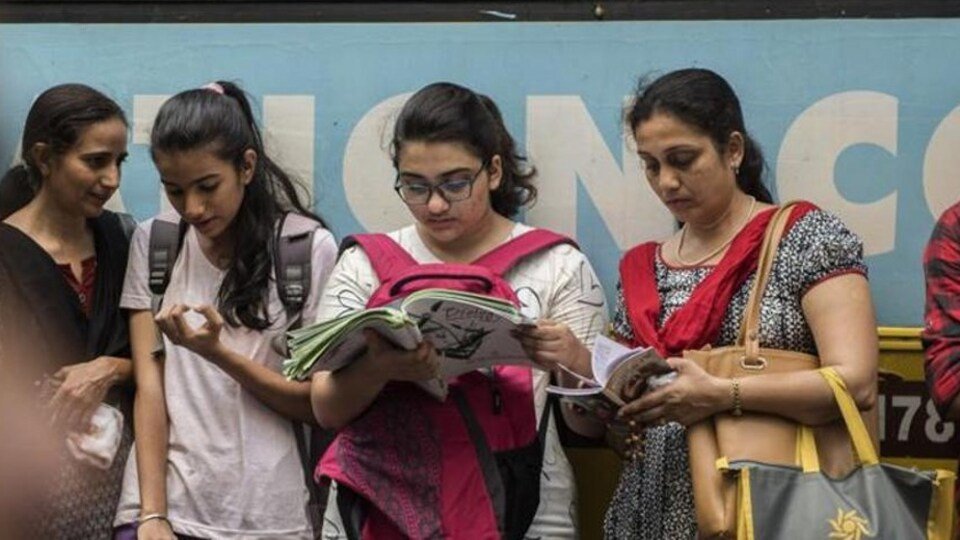
NEET Medical Seats The National Eligibility cum Entrance Test (NEET) is a pivotal examination in India, serving as the primary gateway for aspiring medical students seeking admission to undergraduate medical courses. Conducted by the National Testing Agency (NTA), NEET has replaced several state-level entrance exams and aims to ensure a standardized evaluation process for candidates across the nation. This uniformity plays a critical role in maintaining the integrity of the medical education system in India.
NEET is crucial for various reasons. Firstly, it helps streamline the admission process into medical colleges, replacing the multitude of entrance exams that previously existed. This standardization allows students from different states and educational backgrounds to compete on a level playing field, promoting fairness in the selection process. Secondly, securing a good NEET score is essential for students wishing to pursue a career in medicine, as it determines not only eligibility but also the allocation of seats in prestigious institutions.
The examination consists of multiple-choice questions covering subjects such as Physics, Chemistry, and Biology. The merit list derived from NEET scores subsequently guides the seat allotment process for medical colleges. The allocation is generally based on a combination of scores, reservation policies, and state-specific regulations, which are subject to frequent updates to enhance transparency and reduce malpractice.
Over the years, the importance of NEET has grown, especially with ongoing reforms aimed at improving the examination and allotment protocols. Recent changes have included the introduction of online counseling systems, which have sought to make the seat allocation process more efficient. With ongoing scrutiny and legislative actions, the examination and accompanying procedures continue to evolve, reflecting an ongoing commitment to uphold the standards of medical education in India.
The Supreme Court Ruling on Vacant Seats
NEET Medical Seats The recent ruling by the Supreme Court regarding the allotment of medical seats that were rendered vacant due to fraudulent admissions marks a crucial turning point in the admission processes for medical colleges across India. The court meticulously examined the legality of previous admissions where candidates had entered through deceitful means, highlighting the detrimental impact such actions have on the pursuit of fairness and justice within the educational framework.
In its decision, the Supreme Court underscored the necessity for transparent mechanisms to ensure that educational institutions adhere to the principles of meritocracy. The court recognized the rights of genuine candidates to access educational opportunities free from the taint of malpractice. This ruling seeks to ensure that when seats are vacated due to fraudulent admissions, such seats should be allocated to deserving candidates through a fair and organized process instead of remaining vacant.
The legal arguments presented by various parties emphasized the need for accountability within medical colleges and the urgency of safeguarding the integrity of admissions. The Supreme Court’s stance has sent a clear message regarding the responsibility that institutions have in verifying the credentials of their applicants. The ruling not only reinforces the importance of ethical admissions standards but also seeks to restore public faith in the educational system.
Moreover, this decision is expected to inspire policy changes within medical colleges, prompting the formulation of more stringent protocols for verification and a robust oversight mechanism. With the court advocating for justice in the admission process, it serves as a reminder of the imperative to uphold educational integrity. This enhances the overall standard of medical education and ensures that the healthcare system is staffed by qualified professionals who have gained entry through merit.
Impact of Fraud on Medical Seat Allotment
NEET Medical Seats The prevalence of fraud in medical seat allotment has critical ramifications, raising concerns not only about the integrity of the admissions process but also about the overall quality of medical education and healthcare. Instances of fraudulent admissions can severely undermine the credibility of educational institutions, leading to a diminishing standard of education that ultimately affects patient care. For instance, in recent years, several reports have surfaced highlighting cases where candidates utilized forged documents or bribed officials to secure seats in prestigious medical colleges, rendering the admission process unfair to diligent students.
Statistical evidence indicates a worrying trend; a survey conducted by educational authorities revealed that approximately 15% of all admissions in certain regions were reportedly fraudulent. Such a high rate of deceit suggests a systemic issue that goes beyond isolated cases and points to a need for comprehensive action against malpractice. The implications for institutions involved in such fraudulent activities are dire; not only do they risk losing accreditation, but they also stand to face legal repercussions, significant financial penalties, and a tarnished reputation.
From the perspective of genuine candidates who uphold ethical standards while seeking admission, the consequences of fraud are particularly disheartening. Many aspiring medical students invest substantial time and resources into preparing for entrance examinations, only to find that their opportunities have been compromised by unscrupulous actions of others. This not only discourages meritocracy but also perpetuates inequities in access to quality education. Ethical considerations come to the forefront, prompting a call for stringent measures to combat fraud within the educational system. It is essential that robust policies and practices be established to ensure transparency, fairness, and accountability in the allocation of medical seats, safeguarding the interests of both educational institutions and deserving candidates.
Recommendations for Future Allotment Policies
The recent Supreme Court ruling regarding the allotment of NEET medical seats underscores the necessity for transformative changes in the admission process. In order to address potential fraudulent activities and enhance the fairness of medical seat allocations, several recommendations can be put forth for future allotment policies.
Firstly, establishing a transparent framework for the admission process is imperative. Transparency can be achieved through clear communication of criteria for seat allotment and ensuring that this information is readily accessible to all candidates. The implementation of a centralized admission portal that provides real-time updates on seat availability and selection rounds would facilitate transparency and trust in the system.
Secondly, stricter verification protocols should be enforced to scrutinize the eligibility of candidates thoroughly. This could include mandatory submission of documents such as identity proofs, academic records, and other relevant certifications, which need to be validated before admission is granted. Furthermore, employing a dedicated task force or committee that specializes in investigating cases of alleged fraud would deter fraudulent practices.
Additionally, integrating technology into the allotment process can enhance efficiency and security. For instance, utilizing blockchain technology could ensure the integrity of admission records and facilitate a tamper-proof system. Machine learning algorithms can be employed to analyze applicant data, helping identify patterns indicative of fraudulent behavior, thereby allowing for timely intervention.
Lastly, empowering appropriate authorities to take decisive action against fraudulent activities is crucial. An established framework that ensures accountability will not only punish wrongdoers but will also act as a deterrent against potential fraud. By implementing these recommendations, the NEET allotment process can be significantly improved, providing a fair and equitable opportunity for all aspiring medical students.