Introduction to NEET and Its Importance
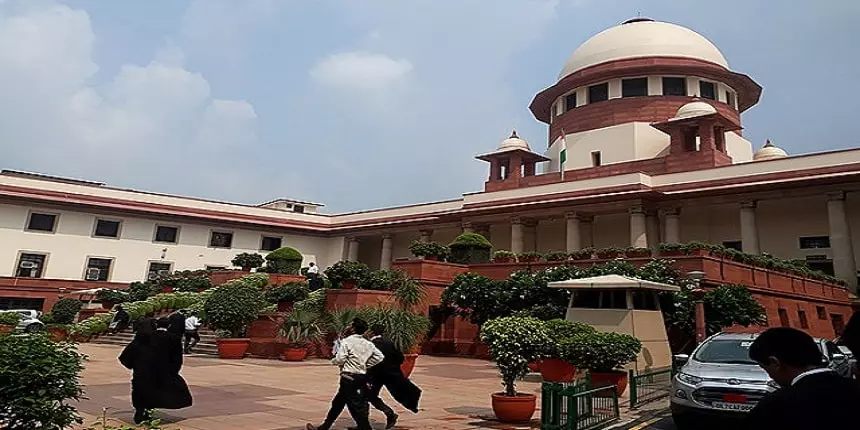
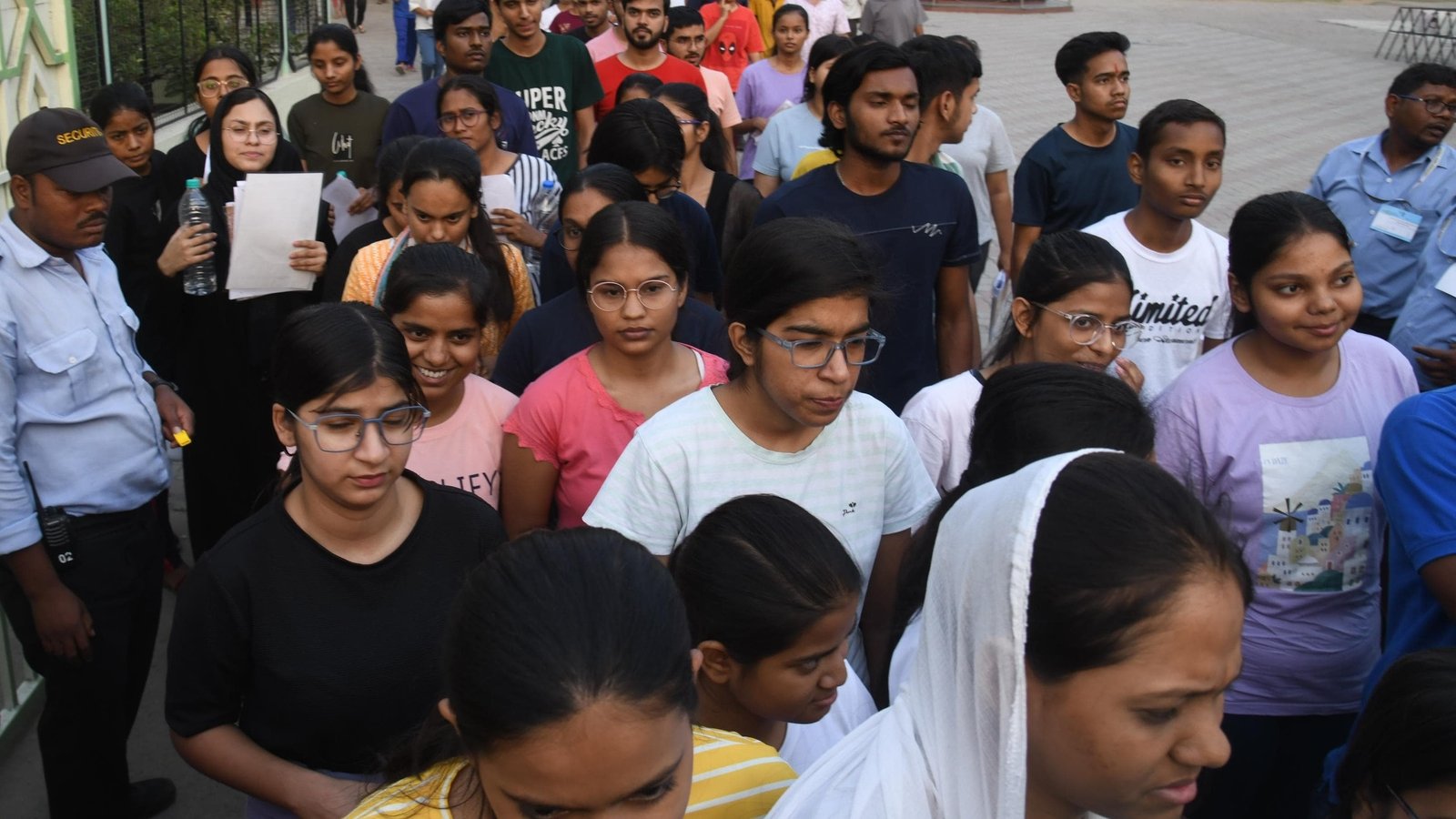
The National Eligibility cum Entrance Test (NEET) is a pivotal examination for students desiring to secure admission in medical courses across India. As a standardized test, NEET serves as a gateway for aspiring doctors, enabling them to demonstrate their proficiency in subjects such as Physics, Chemistry, and Biology. Given the rigorous selection process for medical colleges, excelling in NEET is crucial for any candidate wishing to pursue a career in medicine.
NEET is administered by the National Testing Agency (NTA), which oversees the entire examination process in a systematic manner. To be eligible for this competitive exam, students must meet specific criteria, including educational qualifications and age limits. Typically, candidates are required to have completed their higher secondary education (Class 12) with a focus on the sciences. This foundational education serves as the bedrock of the knowledge required to tackle the challenging questions posed in NEET.
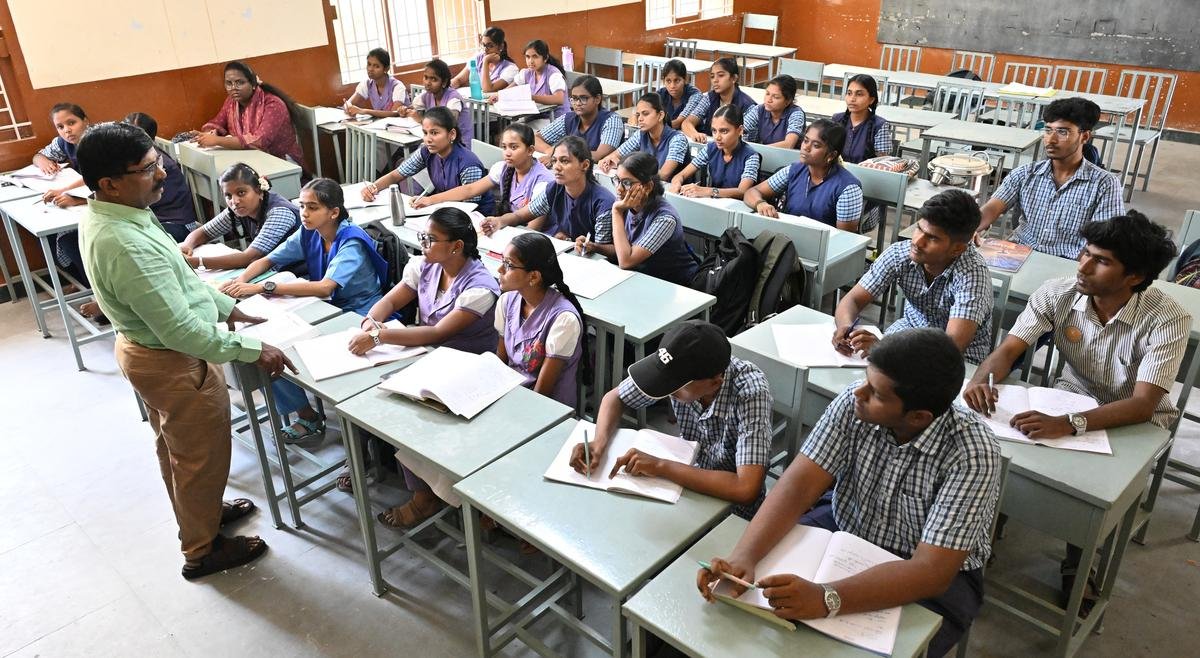
The importance of NEET cannot be overstated, particularly for students from government schools, who may face unique challenges and disadvantages compared to their peers in private institutions. Government school students often have limited access to resources such as coaching classes, study materials, and experienced educators. Recognizing these disparities, the introduction of NEET coaching classes specifically tailored for these students marks a significant step towards leveling the playing field. By equipping them with the necessary skills and knowledge, these coaching initiatives aim to empower students to perform competitively in NEET.
The outcome of NEET plays a pivotal role in shaping the future of students. Success in this examination not only opens doors to medical colleges but also lays the groundwork for a fulfilling career in healthcare. Thus, understanding the intricacies of NEET is essential for students aspiring to make their mark in the medical field.
Challenges Faced by Government School Students in NEET Preparation
The journey towards medical entrance examinations such as the National Eligibility cum Entrance Test (NEET) is often fraught with numerous challenges, particularly for students enrolled in government schools. A significant issue these students encounter is the scarcity of resources required for effective preparation. Many government schools are constrained by inadequate funding, resulting in limited access to essential study materials such as comprehensive textbooks, practice papers, and online resources. This lack of resources can impede their understanding of complex scientific concepts, essential for excelling in the NEET.
Another prominent challenge is the limited access to quality coaching programs. While private coaching institutes often provide specialized NEET preparation courses with experienced educators, government school students may struggle to afford these services. The disparity in coaching quality can lead to inequalities in preparation, affecting their confidence and performance on the exam day. Government schools may not have the facility to host well-structured coaching or after-school programs, further widening the knowledge gap between students from different academic backgrounds.
Moreover, socio-economic factors also play a crucial role in the challenges faced by these students. Many government school students come from economically disadvantaged backgrounds, which can lead to additional burdens such as the necessity to work part-time jobs to support their families. This dual responsibility can significantly detract from the time and energy available for focused NEET preparation, leaving students feeling overwhelmed and stressed. Such challenges necessitate targeted interventions to ensure that government school students can compete equitably in the NEET and pursue their aspirations in the medical field.
Launching NEET Coaching Classes: Objectives and Benefits
The initiative to launch NEET coaching classes specifically for government school students is driven by several key objectives that aim to enhance educational opportunities and future prospects for these individuals. One of the primary goals is to improve access to quality educational resources and training programs that may otherwise be unavailable to students from government schools due to financial constraints. By providing specialized coaching focused on the National Eligibility cum Entrance Test (NEET), this initiative seeks to level the playing field and ensure that every student has an equal opportunity to succeed.
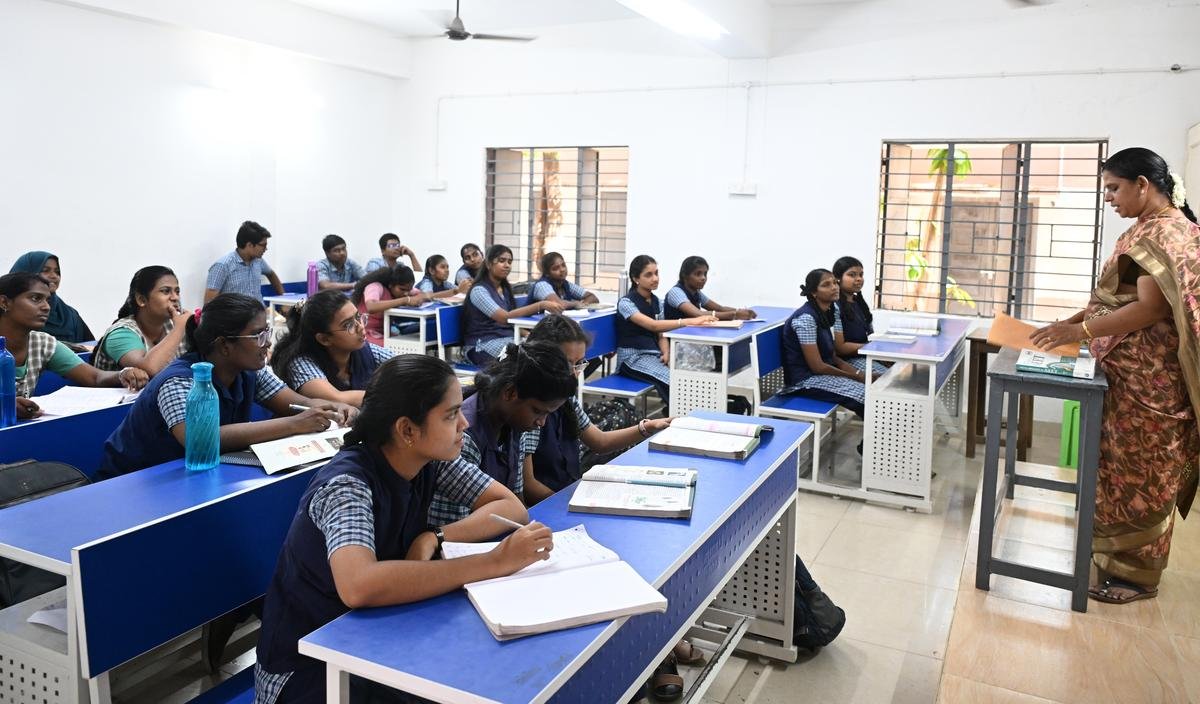
Another vital objective of these coaching classes is to offer personalized guidance tailored to the unique needs of students from government schools. Many of these students may lack the foundational knowledge or resources that their peers in private institutions possess. Therefore, the coaching classes will focus on specific curriculum areas where students may struggle, ensuring that they receive the targeted support necessary for them to excel in their examinations.
Additionally, the launching of NEET coaching classes for government school students aims to develop effective preparation strategies that align with the exam requirements. These strategies will not only include study techniques and time management but also practice tests that mimic the actual exam environment. This comprehensive approach is designed to instill confidence among students, reducing anxiety and helping them to familiarize themselves with the examination process.
The introduction of these coaching classes may also lead to broader benefits, including increased enrollment rates in medical colleges. By providing high-quality tutoring and support, students from government schools can enhance their chances of scoring well on the NEET, thereby gaining admission into prestigious medical institutions. Overall, this initiative is expected to contribute to the empowerment of government school students, facilitating their aspirations to pursue careers in the medical field.
Conclusion and Future Prospects
The introduction of NEET coaching classes specifically designed for government school students represents a significant step towards leveling the educational playing field. These classes aim to equip students from disadvantaged backgrounds with the necessary skills and knowledge to succeed in the National Eligibility cum Entrance Test (NEET), a critical examination for aspiring medical professionals in India. By providing targeted training, mentorship, and resources, these coaching classes are expected to enhance students’ preparation and confidence, ultimately improving their chances of qualifying for medical college.
Moreover, this initiative is a part of a larger movement to address educational disparities faced by students from government schools, who often lack access to quality coaching and preparatory materials. The increased focus on inclusive education not only affirms the commitment to equal opportunities but also encourages students to pursue careers in medicine, a field that requires diverse representation to better serve the population.
Future prospects for similar initiatives look promising. As awareness grows regarding the challenges faced by students from underprivileged backgrounds, more programs may emerge, aimed at bridging the educational gap and enhancing performance in competitive examinations. Educational institutions, NGOs, and government bodies can collaborate to develop comprehensive strategies that focus on skill development, mental health support, and other essential areas. By expanding access to NEET coaching and fostering an environment of support, we can aspire to see an increase in qualified medical professionals from diverse backgrounds, enriching the healthcare sector as a whole.