




Understanding CBSE’s The Central Board of Secondary Education (CBSE) has recently introduced new guidelines aimed at enhancing menstrual hygiene among students. These guidelines are significant as they address a crucial aspect of health education that has often been overlooked in school curriculums. Menstrual hygiene management is essential not only for the physical health of students but also for their psychological well-being and academic performance.
The introduction of these guidelines is a positive step towards promoting awareness and understanding of menstrual health issues. By educating students about menstrual hygiene, the CBSE aims to empower them with knowledge that enables them to manage their periods with confidence and dignity. This new initiative seeks to mitigate the stigma that often surrounds menstruation, a topic that is frequently shrouded in silence and misunderstanding in many communities.
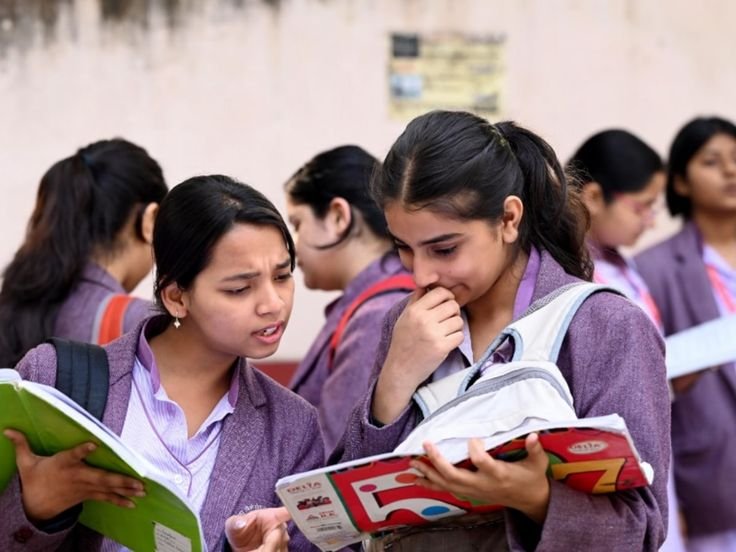
Schools play a pivotal role in implementing these menstrual hygiene practices as they are the primary environment where students spend a significant portion of their time. By fostering an open dialogue about menstruation and incorporating menstrual hygiene education into the curriculum, schools can create a supportive atmosphere that encourages young people to speak freely about their experiences and concerns.
Moreover, the guidelines stress the importance of providing access to clean and safe sanitation facilities in schools. This includes the availability of sanitary products and the education necessary for their proper use. The CBSE guidelines aim to ensure that menstruating students do not miss out on education due to a lack of resources or support. In doing so, they reinforce the message that menstruation is a natural and important facet of life that deserves respect and attention.
Key Components of the Menstrual Hygiene Rules
Understanding CBSE’s The Central Board of Secondary Education (CBSE) has established new menstrual hygiene rules aimed at ensuring that schools provide a supportive environment for menstruating students. One of the key components of these regulations is the requirement for schools to make sanitary products readily available to students. This initiative is crucial, as it can significantly reduce absenteeism among girls during their menstrual cycle, allowing them to continue their education without disruptions.
In addition to the provision of sanitary products, CBSE emphasizes the importance of maintaining hygiene facilities within educational institutions. This includes ensuring that restrooms are equipped with clean, accessible, and private spaces where students can manage their menstrual hygiene needs with dignity. Adequate waste disposal systems for sanitary products are also mandated, which is vital to promote a clean and healthy school environment.
Moreover, educational programs focusing on menstrual health have been introduced as an integral part of the new rules. These programs are designed to inform not only menstruating students but also the wider student body about the physiological aspects of menstruation, dispelling myths and reducing stigma. Schools are encouraged to incorporate this education into their health and physical education curriculums, fostering an atmosphere of understanding and support.
Overall, these key components reflect a comprehensive approach to menstrual hygiene management. They aim to empower students with knowledge and resources, ensuring that schools become a safe place for all students, irrespective of their menstrual status. By addressing access to products, fostering hygiene practices, and enhancing educational efforts, CBSE is taking significant steps towards improving the overall well-being of students during their academic journey.
Implications for Students and Parents
Understanding CBSE’s The recent implementation of CBSE’s new menstrual hygiene rules carries significant implications for both students and parents. These guidelines aim to promote a more supportive environment where discussions surrounding menstruation can occur openly. By normalizing conversations about menstrual hygiene in schools, the initiative encourages students to engage with necessary topics that have historically been stigmatized. This shift can empower young women to express their needs and seek help without embarrassment.
Parents play a crucial role in reinforcing the education their children receive at school. Through open dialogues at home, mothers and fathers can build upon the lessons taught in the classroom. It is essential for parents to understand that menstruation is a natural biological process, and using acceptable language around it is paramount. By doing so, they can help alleviate feelings of shame or discomfort that may arise during this period in their child’s life. Sharing personal experiences or providing a supportive ear can also foster a sense of security and validation for students.
In terms of expectations, students can look forward to improved access to menstrual hygiene products and education. Schools are expected to provide resources that help students manage their menstrual cycles effectively. This includes the availability of sanitary napkins, menstrual cups, and any necessary educational materials. Furthermore, expert opinions suggest that when girls and boys are educated about menstrual hygiene together, it can cultivate respect and empathy among peers, leading to a healthier school environment.
Ultimately, the implications of these rules extend beyond academic institutions. They represent a vital step towards ensuring that students receive comprehensive education on menstrual hygiene, while parents are encouraged to actively participate in supporting their children. By collaborating, schools and families can collectively contribute to a healthier, more informed future generation.
Conclusion and Moving Forward
Understanding CBSE’s The implementation of the Central Board of Secondary Education (CBSE) new menstrual hygiene rules represents a significant step forward in promoting health and well-being among students in India. These guidelines aim to create a more inclusive and supportive environment for young women, enabling them to manage their menstrual health with dignity and confidence. By recognizing menstruation as a fundamental aspect of health, CBSE has opened avenues for improved understanding and education that can benefit not only students but also families and communities.
The emphasis on menstrual hygiene education is crucial in destigmatizing menstruation, thereby encouraging open discussions and fostering a culture of awareness. This can have a profound impact on students’ academic performance, attendance, and overall health. It is essential for educational institutions to integrate menstrual hygiene training into their curricula comprehensively. Schools should facilitate workshops and distribute educational materials, empowering students with the knowledge they need.
Parents also play a vital role in this initiative. By discussing menstrual health openly at home, they can contribute to creating a supportive atmosphere where young girls feel safe and informed about their bodies. Furthermore, community engagement is equally essential. It may include collaboration with health organizations to provide resources and support, which can enhance the effectiveness of the guidelines.
In conclusion, the CBSE’s menstrual hygiene rules pave the way for a transformative approach to menstrual health education in schools across India. By ensuring that menstrual hygiene remains a priority, educational institutions, parents, and students can work together to cultivate a future where menstruation is seen as a normal aspect of life, free from stigma and ignorance. Continuous advocacy and resource availability will be crucial in maintaining this momentum and fostering a culture of respect and understanding surrounding menstrual health.