




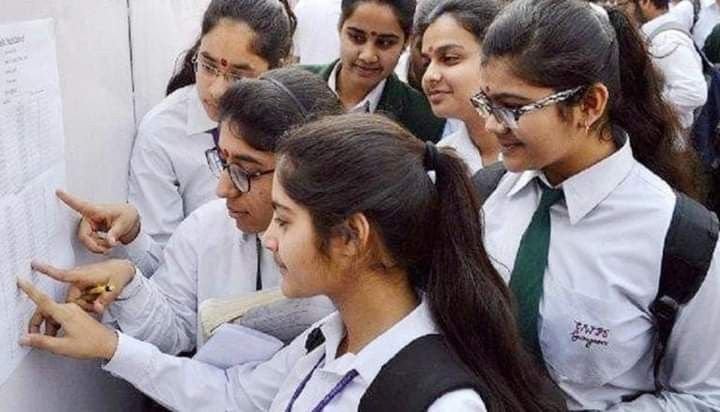
NEET PG The National Eligibility cum Entrance Test for Postgraduate (NEET PG) is a crucial examination that serves as a gateway for aspiring medical professionals in India to pursue postgraduate education in various medical specialties. This examination holds significant importance as it determines the entrance into master’s degrees and diploma courses across medical colleges in the country. Candidates who wish to continue their medical education after completing their undergraduate studies must clear this exam, which is known for its rigorous evaluation of knowledge and aptitude.
In the context of the current academic year, a concerning trend has emerged: there are over 1,100 vacant seats in postgraduate medical courses, a figure particularly alarming given the recent implementation of record-low cutoffs for admission. The cutoffs, which have been lowered substantially, were intended to make postgraduate courses more accessible in view of the changing dynamics of medical education and the demand for skilled healthcare professionals.
Despite these efforts, the situation reveals a disconnect between the availability of seats and the number of candidates willing to fill them. The unnecessary increment of vacant seats raises critical questions about potential factors that could be influencing this trend. It is essential to consider applications, the competitiveness of various specialties, and the perceived value of the programs being offered. The record-low cutoffs might have been anticipated to encourage a higher number of entrants; however, the observable vacancy suggests that there are underlying issues at play that warrant closer examination.
Factors Contributing to the Vacancy of Seats
NEET PG The vacancy of over 1,100 NEET PG seats in the face of record-low cutoffs is a multifaceted issue that warrants a comprehensive analysis. One primary factor contributing to this phenomenon is student performance trends. Many candidates are under-prepared for the rigorous examinations, resulting in a significant number of students not qualifying for the available positions. The overwhelming syllabus and examination format present substantial challenges, leading to lower than expected performance levels.
In addition to individual performance, there is a noticeable shift in student interest regarding specializations. Recent trends show that many aspiring postgraduates are increasingly drawn to particular fields, leading to an oversupply in certain areas while creating vacancies in others. Consequently, this circumstance highlights a mismatch between available seats and the preferences exhibited by students.
Furthermore, state-level policies play an indispensable role in the admission landscape. Varied approaches by different states towards medical education can create inconsistencies that affect student choices. Specific regulations and opportunities in certain states may inadvertently steer graduates towards particular options, leaving other seats unfilled.
Another crucial aspect to consider is the changing demographics of medical graduates. An increase in the number of medical institutions has generated a larger pool of graduates. Yet, the competitive nature of securing admission into postgraduate programs remains a significant hurdle. Many students may choose to explore options outside the traditional pathways, including pursuing non-conventional roles in healthcare, thereby contributing to the vacancy situation.
These factors collectively contribute to the current landscape of NEET PG seat vacancies. A thorough understanding of these dynamics is essential for stakeholders aiming to address this issue effectively and ensure that the available seats are filled by well-prepared and appropriately motivated candidates.
Implications of Vacant NEET PG Seats on the Healthcare Sector
NEET PG The vacancy of over 1,100 seats in the National Eligibility cum Entrance Test for Postgraduate (NEET PG) has raised significant concerns about its repercussions on India’s healthcare system. This development impacts the workforce supply of specialists acutely. With an alarming number of seats going unfilled, the anticipated influx of trained specialists into the healthcare sector diminishes, leading to potential shortages in critical medical fields.
Furthermore, these vacancies can exacerbate existing challenges in accessing quality healthcare across the nation. As qualified medical professionals are vital for effective healthcare delivery, their scarcity may hinder efforts to provide adequate care, particularly in underserved areas. According to health policy experts, a decline in the number of specialists can lead to increased patient wait times, reduced treatment options, and overall diminished health outcomes for the population. This is especially critical when considering India’s growing healthcare demands driven by factors such as an aging population and rising chronic diseases.
Additionally, the quality of medical education could also suffer as a result of these vacant seats. If institutions struggle to fill these positions, it may result in decreased funding and resources allocated towards training new healthcare professionals. Educational standards may decline, which in turn could lead to a workforce that is less prepared to meet the complex healthcare needs of the population.
Looking ahead, the implications of these vacancies may drive a re-evaluation of healthcare policies in India. Stakeholders, including government bodies and educational institutions, might need to devise innovative strategies to enhance the appeal of postgraduate medical education. This could involve increasing incentives for students and addressing systemic issues in medical training and practice environments.
Possible Solutions to Address the Vacancy Issue
NEET PG The persistent issue of over 1,100 vacant NEET PG seats, despite record-low cutoffs, demands a comprehensive approach to actionable solutions. A foremost strategy would be the implementation of enhanced career guidance programs for medical students. By providing detailed insights into various specializations, institutions can better align student interests with the demands of the healthcare sector. This will not only equip students with necessary knowledge about emerging fields but also encourage enrollment in specializations that currently struggle to attract candidates.
Furthermore, policy changes are essential to enhance the attractiveness of certain specializations. This includes revising stipends, improving working conditions, and ensuring ample opportunities for professional growth in high-demand areas. For instance, incentivizing fields such as primary care and geriatrics can increase interest and enrollment in these essential specialties. Such modifications could effectively draw potential candidates who might otherwise overlook these paths.
In addition to these reforms, improving examination strategies is crucial to reducing empty seats. Streamlining the testing process and making it more accessible, alongside providing better preparatory resources, could lead to a higher success rate among candidates. This includes not only the NEET PG exams but also preparatory workshops and resources tailored to address common pitfalls faced by aspirants.
Finally, successful implementation of these solutions necessitates collaboration between various stakeholders—including government entities, educational institutions, and healthcare providers. Such partnerships can facilitate the development of policies that reflect industry needs while ensuring that medical training evolves alongside healthcare demands. By fostering this collaboration, the medical community can work towards reducing the current vacancy crisis and create a more aligned, responsive healthcare training environment.