




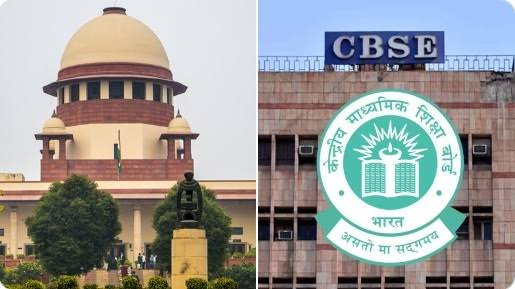
CBSE The Central Board of Secondary Education (CBSE), which is instrumental in shaping the educational framework for Indian students across various regions, has established a distinctive assessment scheme for students in the Gulf region specifically for Class 12. This initiative was introduced to cater to the unique challenges and circumstances faced by Indian expatriates residing in the Gulf countries, where traditional examination logistics may pose significant hurdles.
The primary objectives of the CBSE assessment scheme include ensuring that students receive a fair and comprehensive assessment of their academic performance while considering the distinct context in which they study. Factors such as local educational conditions, access to resources, and the impact of sudden global events, such as the COVID-19 pandemic, have influenced the formulation of this assessment method. Consequently, adjustments have been made to accommodate the varying levels of accessibility to official examination centers.
In light of recent developments, the plan has attracted a mix of responses and scrutiny. Certain modifications, such as the introduction of alternative assessment metrics, have sparked discussions among educators, students, and parents. Critics argue that these changes may lead to disparities in evaluation standards, while proponents emphasize the necessity of adaptive measures that recognize regional constraints. The controversy surrounding the assessment scheme reflects broader concerns within the educational community about maintaining academic integrity while adapting to novel challenges.
Furthermore, the Supreme Court’s involvement in this matter has amplified the ongoing dialogue regarding the future of assessments in such contexts. The legal proceedings aim to ensure that the rights of students are protected, and that equitable measures are in place to uphold the value of their educational qualifications. Overall, this assessment scheme illustrates CBSE’s commitment to addressing the needs of its students, while also navigating the complexities associated with international education.
Details of the Ongoing Controversy and Public Reactions
The ongoing controversy surrounding the CBSE Gulf Class 12 Board Exam assessment scheme has sparked intense discussions among various stakeholders, including students, parents, and educational professionals. Central to the grievance is the perceived lack of clarity regarding the assessment criteria and the impact these criteria have on students’ academic futures. Many students have expressed their concerns about the fairness of the assessments, which they fear may not accurately reflect their knowledge and skills, potentially jeopardizing their subsequent educational opportunities.
Parents have also voiced their frustrations, particularly regarding the abrupt changes and insufficient communication from the Central Board of Secondary Education (CBSE). Many feel that the board’s decisions have prioritized administrative convenience over students’ needs. The emotional toll on families is considerable, as they grapple with uncertainty about the examination process and its consequences on college admissions and future career paths.
Social media platforms have become a battleground for these discussions, with hashtags related to the CBSE Gulf Class 12 Board Exams trending among students. Many are sharing their personal experiences, grievances, and insights into the challenges they face in light of the new assessment scheme. Public comments frequently highlight feelings of exclusion and anxiety, as students compare their situations with their peers who are part of the conventional assessment system. The digital conversations reflect a broader discontent with educational policies that seem disconnected from the actual realities students are navigating.
Furthermore, educational professionals have offered their perspectives, suggesting alternative assessment methods that could better serve the diverse student population. They argue that the ongoing situation demands immediate attention and a reevaluation of how assessments are designed and implemented. Overall, the multifaceted responses illustrate the heavy implications of the CBSE Gulf Class 12 Board Exam scheme, emphasizing the urgent need for transparent communication and inclusive strategies moving forward.
Upcoming Supreme Court Hearing: Key Dates and Expectations
The anticipation surrounding the upcoming Supreme Court hearing regarding the Central Board of Secondary Education (CBSE) Gulf Class 12 board exam assessment scheme has garnered significant attention among students, educators, and legal analysts alike. Scheduled for Date of Hearing, this crucial session will address pivotal issues that have emerged concerning the examination protocols established by CBSE for students in the Gulf region.
The Supreme Court has already issued preliminary statements indicating that it will consider various aspects of the assessment scheme, including concerns about fairness and transparency. Stakeholders, including parents, students, and education advocates, have expressed hope that the court’s ruling will lead to a more equitable assessment process, ensuring that all students are evaluated based on their respective merits. The legal community is closely analyzing these statements as they may indicate the court’s stance on the matter and potential outcomes that could arise from the hearing.
In the days leading up to the hearing, discussions among affected parties have intensified. Many stakeholders are advocating for a revision of the assessment criteria, seeking clarity on how grades will be determined in light of recent disruptions caused by the pandemic. The concern is that without a robust examination process, discrepancies in grading could arise, potentially affecting students’ futures and academic pursuits.
Overall, the impending Supreme Court hearing represents a significant opportunity for stakeholders to address their concerns and for the court to potentially shape the future of CBSE assessment practices. Participation from various parties, including legal experts and educators, is anticipated to provide valuable insights into the effectiveness of the current assessment scheme and the importance of equity in education.
Conclusion and Next Steps for Students and Educators
As the examination landscape evolves, the Supreme Court’s pending decision on the assessment scheme for CBSE Gulf Class 12 board exams carries significant implications for both students and educators. This is particularly crucial in a context where assessments are continuously being revised to align with emerging educational standards and student needs. With the court’s ruling expected to inform the future of examination protocols, both stakeholders must brace for potential changes.
For students, a primary recommendation is to maintain flexibility in their preparation strategies. Whether the court upholds the existing assessment scheme or introduces revisions, students are encouraged to stay informed through official announcements from the Central Board of Secondary Education (CBSE). Proactively engaging with educators can facilitate a better understanding of any shifts in prerequisite knowledge or skill sets that may arise in response to the Supreme Court’s ruling.
Educators, on the other hand, should begin to contemplate possible adjustments to instructional methodologies that correspond with anticipated changes in the assessment framework. Regular consultations among staff regarding imparting skills aligned with both current and potential future examination criteria are advisable. Furthermore, establishing channels of communication with students about these developments will play a pivotal role in ensuring that everyone is on the same page during this transitional phase.
Ultimately, whether the court’s decision leads to significant alterations in the assessment process or not, a collective commitment among students and educators to adapt to changes will be vital. Being prepared not only fosters resilience but also enhances learning outcomes in a dynamically developing educational environment.