
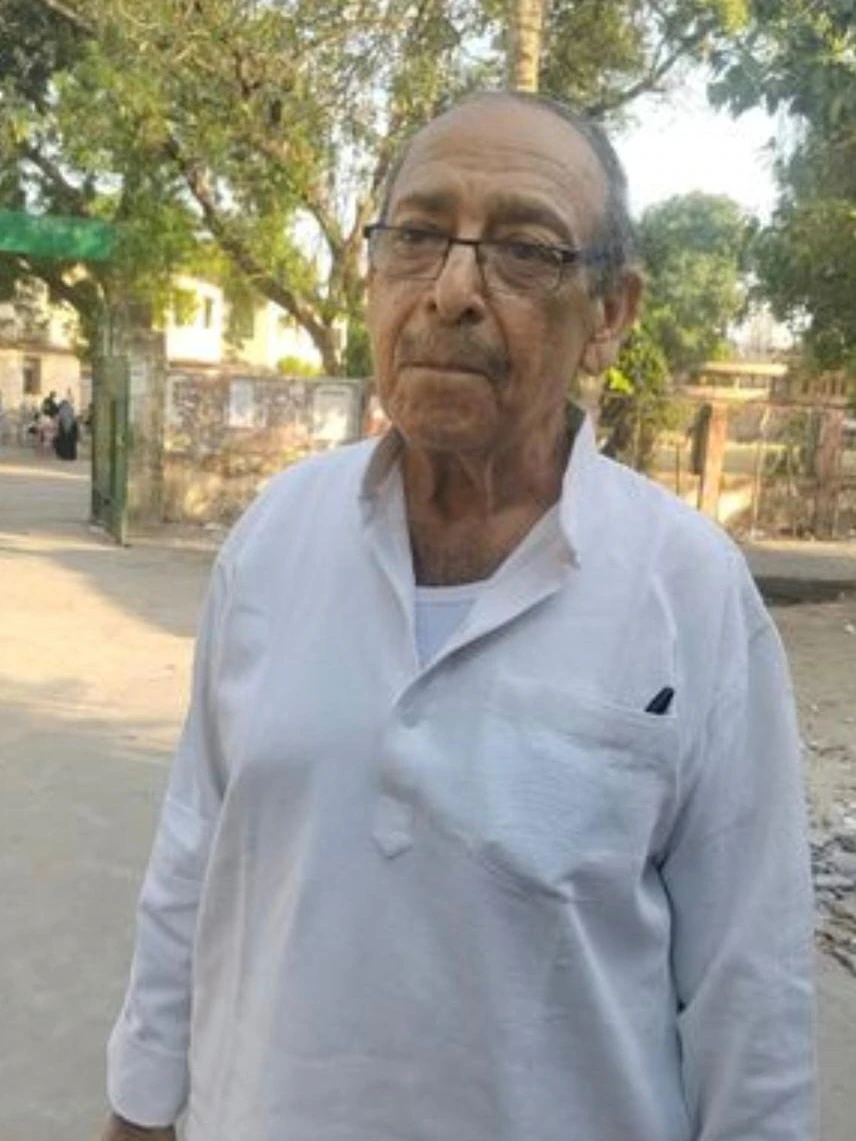
NEET-UG The National Eligibility cum Entrance Test for Undergraduate (NEET-UG) is a pivotal examination in India, serving as the gateway to undergraduate medical education. Conducted by the National Testing Agency (NTA), NEET-UG provides a standardized assessment for aspiring medical students seeking admission to various medical and dental colleges across the nation. The significance of NEET-UG cannot be understated, as it ensures a uniform benchmark for evaluating the competencies of candidates from diverse educational backgrounds, thereby streamlining the admission process into prestigious medical programs.
Traditionally, the demographic of NEET-UG candidates has skewed toward younger individuals, primarily those transitioning directly from high school to medical college. However, a noticeable shift is occurring, resulting in a more diverse range of candidates, particularly with respect to age. The participation of older candidates highlights a growing trend where individuals, who may have pursued various career paths or personal aspirations prior to entering the medical field, seek to fulfill their dreams of becoming healthcare professionals.
This trend is exemplified by the case of the oldest NEET-UG candidate, who has petitioned for a 1% quota for senior citizens in medical admissions. This request emphasizes the need for evolving policies that recognize the aspirations of older individuals while balancing them against the established structures of medical education that have traditionally catered to younger students. Such developments reflect a broader societal shift towards inclusivity and the recognition that age should not be a limiting factor in one’s pursuit of knowledge and professional goals.
The Case for Senior Citizen Quota in Medical Admissions
The proposition for a 1% reservation for senior citizens in medical college admissions is rooted in several compelling arguments, particularly in the context of an aging population that is increasingly seeking medical care. As the oldest NEET-UG candidate illustrates, granting such a quota would not only acknowledge the potential contributions of experienced individuals but also align with societal needs driven by demographic changes.
First and foremost, senior citizens bring invaluable life experience and a unique perspective to the healthcare sector. Medical practitioners who have lived through different societal circumstances may have a deeper understanding of the emotional and psychological aspects of patient care. This rich tapestry of experiences can enhance the quality of medical practice, fostering a more empathetic and informed approach to healthcare. As healthcare systems aim to provide holistic treatment, the integration of senior professionals could be particularly beneficial.
Furthermore, the demand for physicians with the capacity to relate to older patients is increasing as healthcare needs evolve. Elderly individuals often face a multitude of complex health issues that require not only medical expertise but also compassion and understanding. Senior citizen doctors, with their own life experiences as patients or caregivers, possess a unique capability to relate to and communicate effectively with this demographic. Thus, the introduction of a quota would promote better patient-doctor relationships and ultimately enhance patient outcomes.
In addition, the establishment of a 1% quota could also serve to inspire younger generations, showcasing the possibility that education and professional growth are attainable at any stage of life. By providing opportunities to senior citizens, the medical field would be embracing a more inclusive model, one that recognizes diverse paths to expertise. It is essential to consider how we can harness the potential of all individuals, particularly as they prepare to address the healthcare needs of a growing elderly population.
Implications of the Quota on Medical Education and Society
NEET-UG The proposal to establish a 1% quota for senior citizens in medical admissions raises a variety of implications for the landscape of medical education and society as a whole. By enabling older individuals to pursue medical studies, the quota could potentially enhance the age diversity of medical students. This diversification may result in a broader spectrum of life experiences and perspectives within medical classrooms, fostering an environment where traditional methodologies are challenged and innovative approaches to healthcare are encouraged.
However, the integration of older students into medical programs could also present challenges. For instance, younger students might possess advantages in terms of adaptability to rapidly changing educational technologies and pedagogical practices, which could place senior citizens at a disadvantage. To mitigate these issues, educational institutions may need to revise curricula and teaching methods, ensuring that they cater to a more heterogeneous student body. Such adjustments could facilitate effective learning experiences for all students, regardless of age.
Moreover, the introduction of a senior citizen quota could significantly influence the demographic composition of future healthcare professionals. As a result, the public health landscape may also shift, with healthcare services increasingly guided by providers who represent the senior population. This could lead to enhanced patient care that is more culturally and demographically aligned with the needs of an aging society.
While the objectives of creating a senior citizen quota may stem from well-meaning intentions—such as increasing access to medical education—it is crucial to carefully assess the potential repercussions on educational standards and the overall effectiveness of healthcare delivery. Therefore, thorough evaluations and ongoing research must accompany such policy changes to ensure they yield positive outcomes for both the medical community and society at large.
Conclusion and Future Considerations
As we reflect on the recent legal move by the oldest NEET-UG candidate seeking a 1% quota for senior citizens in medical admissions, several key points emerge. The discussion highlights the growing age diversity in medical education and the argument that age should not be a barrier to pursuing a career in the medical field. The current education policies may need to evolve to embrace this demographic, which is keen on contributing to the healthcare sector.
Inclusivity in education is paramount. As society ages, it is increasingly important to recognize the potential and desire of senior citizens to pursue further education, particularly in fields such as healthcare, where their life experiences can greatly enrich medical practice. By implementing quotas or other supportive measures, educational institutions can ensure that senior citizens are afforded opportunities to gain knowledge and skills that align with their aspirations.
Looking ahead, policy changes within the educational framework may be necessary to accommodate the unique needs of this growing cohort of candidates. These adjustments could include tailored preparatory programs, flexibility in assessment methods, and consideration of age-related experiences in the application process. Such measures can ensure that the system does not inadvertently disadvantage those who wish to contribute to society as medical professionals.
In summary, the call for a 1% quota for seniors in medical admissions underscores the importance of revisiting traditional educational policies to foster inclusivity. The medical field inherently requires diverse perspectives and experiences, and integrating senior citizens can only serve to enhance the quality of healthcare. As dialogues continue surrounding this topic, stakeholders will need to prioritize actionable strategies that support age diversity in medical education, thereby embracing a future that values every individual’s contributions, regardless of age.