

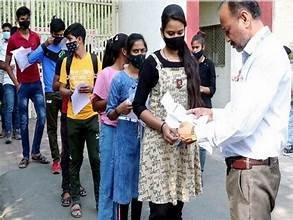

NEET The National Eligibility cum Entrance Test (NEET) serves as a gateway for aspiring medical students in India, playing a crucial role in determining eligibility for various medical courses. As the sole examination for undergraduate and postgraduate medical admissions, NEET’s significance is further amplified for those seeking to specialize through super speciality programs. These advanced courses not only enhance individual knowledge and skills but also contribute to the overall quality of healthcare in the country.
The rationale behind setting cut-off scores in NEET is grounded in the need to maintain academic standards while ensuring fair access to medical education. Cut-off scores are the minimum marks required to qualify for admission into various courses, including super speciality disciplines. They are determined based on multiple factors, including the difficulty level of the exam, the performance of candidates, and the number of available seats. For government doctors wishing to pursue further education, these cut-offs play a pivotal role in shaping their professional paths and improving their eligibility for advanced roles within the healthcare system.
It is essential to keep the selection process equitable and accessible, particularly for those dedicated to serving the public through government healthcare services. A flexible approach to cut-off scores, as recently backed by the Supreme Court, aims to alleviate the barriers faced by government doctors who aspire to advance their education and career. By relaxing these thresholds, the process becomes more inclusive, enabling those committed to public service to receive the necessary training and support. This not only enhances individual competencies but also ensures a better healthcare infrastructure for communities across India.
The Supreme Court’s Ruling Explained
NEET Recently, the Supreme Court delivered a pivotal ruling that supports the easing of cut-off marks for government doctors pursuing super speciality education in India. This decision arises from the critical need for enhancing healthcare accessibility and improving the educational landscape for medical professionals. The court’s verdict not only reflects a compassionate approach towards government healthcare practitioners but also underscores the importance of incentivizing public service in the medical field.
The ruling was based on the premise that by relaxing the cut-offs for NEET-Super Speciality admissions, the government can retain more qualified doctors in public service. The Supreme Court effectively recognized that strict criteria could potentially discourage talented individuals from pursuing further education that is vital for addressing complicated healthcare issues. The decision illustrates a broader understanding of workforce retention issues in the healthcare sector, particularly in remote and underserved areas where medical expertise is often scarce.
Moreover, the judgment reinforces the belief that bolstering the educational opportunities for government doctors can significantly contribute to the overall improvement of public health services in the country. With fewer barriers to advanced training, these professionals can acquire the necessary skills to tackle specialized medical challenges, increasing the quality of care provided to patients across the nation.
The ruling has garnered a positive response from medical professionals and stakeholders within the healthcare community, who see it as a proactive step towards creating a more equitable educational environment. Furthermore, the implications of this decision are far-reaching, potentially resulting in a higher number of specialists in public healthcare settings. Such developments are crucial in the ongoing effort to enhance healthcare systems, ensuring that more citizens have access to the specialized medical attention they require.
Impact on Government Doctors and Healthcare Delivery
The recent Supreme Court ruling to ease the NEET-Super Speciality cut-off scores for government doctors has promising implications for the healthcare sector in India. By lowering these cut-off scores, the intention is to increase the number of healthcare professionals who can qualify for specialized training. This measure could significantly bolster the number of doctors specializing in high-demand fields, which is critical for addressing the healthcare needs of the population.
First and foremost, this change is expected to incentivize more government doctors to pursue super-specialty qualifications. In many public healthcare institutions, there is a persistent shortage of specialists, particularly in fields such as cardiology, oncology, and nephrology. By providing a more accessible pathway to super-specialty training, the government may enhance the competence and availability of healthcare services. This transition is crucial, especially in rural and underserved areas where specialized medical care is often inadequate.
Moreover, the easing of cut-off criteria could lead to a diversification of expertise among government doctors. When more healthcare professionals engage in specialized training, they can develop an array of competencies that address specific healthcare challenges. This diversification is likely to improve overall patient care, as healthcare teams become equipped with a broader set of skills and knowledge, thereby facilitating comprehensive treatment strategies.
Furthermore, the enhancement in medical training opportunities aligns with the broader objective of improving healthcare delivery within public institutions. An increased number of specialists will not only facilitate better patient outcomes but also contribute to the training of junior doctors and future healthcare workers. Overall, the Supreme Court’s decision has the potential to create a ripple effect within the healthcare delivery system, promoting a more robust framework that is responsive to the evolving needs of society.
Future of Medical Education and Policy Recommendations
NEET The Supreme Court’s recent ruling on easing cut-off scores for NEET Super Speciality admissions for government doctors marks a pivotal moment in the landscape of medical education in India. This decision is likely to set a precedent that could reverberate through future policies regarding medical training and specialization. The implications of this ruling necessitate a comprehensive examination of how medical education policies are structured, particularly concerning accessibility and quality.
One of the significant impacts of the ruling may be the potential for increased enrollment in super-speciality courses among government doctors. This influx of trained professionals is essential for fostering a healthcare workforce that is equipped to meet the diverse needs of the population. However, while enhancing accessibility, it is crucial not to compromise the educational rigor associated with medical training. Policymakers must find an equilibrium that upholds the highest standards in medical education while also ensuring that talented individuals are not deterred by overly stringent cut-offs.
To facilitate this balance, it is recommended that policymakers consider implementing integrated training frameworks that combine practical experience with academic excellence. Further, regular reviews of admission standards should be conducted to reflect changes in the healthcare landscape and workforce demands. Additionally, fostering collaboration between government medical institutions and private organizations may provide innovative solutions for training and resource allocation.
Ultimately, the Supreme Court’s decision emphasizes the necessity for a robust yet flexible approach to medical education policy. By addressing both access and standards, stakeholders can work together to nurture a competent healthcare workforce that is capable of addressing both current and future public health challenges.