NEET-UG The National Eligibility cum Entrance Test for Undergraduate (NEET-UG) is a pivotal examination in India, facilitating access to undergraduate medical education for aspiring students. Conducted annually, NEET-UG serves as the primary gateway for students seeking admission into numerous medical colleges across the country. Its significance cannot be overstated, as success in this examination is crucial for candidates aiming to pursue a career in medicine.
The NEET-UG examination encompasses a wide range of subjects including Physics, Chemistry, and Biology, encompassing both Class 11 and Class 12 syllabi. Each year, millions of candidates register for the examination, making it one of the largest competitive assessments in India. A stringent selection process is in place, ensuring that only candidates who meet the required standards secure a place in medical institutions. However, this rigorous selection also means that the stakes are exceptionally high for students, making the integrity of the examination process even more critical.
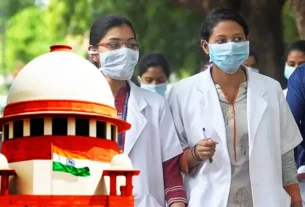
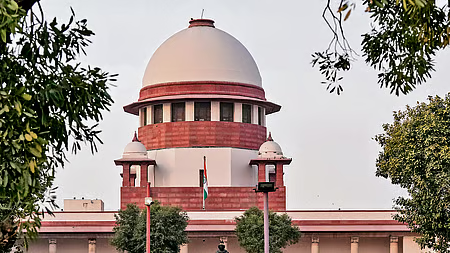
Recently, the NEET-UG examination has faced severe challenges due to incidents related to papers being leaked, raising concerns about fairness and transparency. Such controversies can undermine the trust in the examination system, leading to calls for immediate and effective measures to address these issues. The involvement of the Supreme Court in this context has important implications not only for the current batch of medical aspirants but also for the future integrity of the NEET examination process itself. The necessity to conduct investigations and implement corrective measures reflects the urgency to uphold the standards of this vital examination.
As discussions about potential cancellation unfold, the ramifications on students, educational institutions, and the medical admission landscape at large warrant thorough examination. The repercussions of such actions could redefine the pathways to medical education in India, making it essential to carefully consider the outcomes of the current crisis.
Supreme Court’s Stance on NTA and UPSC Comparisons
NEET-UG The Supreme Court’s scrutiny of the National Testing Agency (NTA) has brought to light significant contrasts with the Union Public Service Commission (UPSC) in the realm of examination integrity. The Court has raised concerns about the NTA’s handling of examination processes and questioned its ability to maintain the sanctity of competitive assessments, particularly in light of recent paper leak incidents surrounding NEET-UG 2026.
The NTA, established to conduct entrance examinations for various higher education institutions, faces criticism for its operational lapses that allegedly compromise the fairness of assessments. In juxtaposition, the UPSC is often lauded for its strict adherence to examination protocols and its long-standing reputation of accountability. The Supreme Court’s remarks suggest that the UPSC’s rigorous operational framework has not encountered similar scandals, establishing a stark difference in governance and accountability between the two bodies.
Moreover, the Court highlighted the necessity for the NTA to learn from UPSC’s effective management strategies. The integrity of competitive examinations relies heavily on public trust, and the NTA’s failures have, unfortunately, tarnished its credibility. By enforcing better oversight and quality control measures akin to those implemented by the UPSC, the NTA may enhance its operational standards and regain public confidence.
Critics of the NTA have also pointed out systemic issues that have led to repeated examination failures. The consistency of these failures raises questions about the organization’s readiness to handle the high stakes associated with national examinations such as NEET. The Supreme Court’s emphasis on these points further underscores the urgent need for reforms within the NTA to ensure that future examinations are conducted with utmost integrity and fairness.
Expected Reforms in Examination Processes
The recent paper leak allegations surrounding the National Eligibility cum Entrance Test-Undergraduate (NEET-UG) have led to significant concerns regarding the integrity of the examination process. In response, the Supreme Court has urged the Central government to initiate reforms aimed at enhancing security, transparency, and credibility not only in the NEET-UG examination but across all major standardized tests in India. These anticipated reforms are crucial to restoring public trust in the educational system and ensuring fairness for all candidates.
One of the primary measures being suggested is the implementation of advanced biometric and digital surveillance technologies at examination centers. Such technological enhancements could include fingerprint scanning, facial recognition systems, and high-definition CCTV cameras to monitor examinees and invigilators alike. By integrating these measures, the examination bodies can significantly minimize the risk of malpractice, including cheating and unauthorized access to exam materials.
Additionally, establishing a more transparent process for the handling and dissemination of examination papers is essential. This could involve encrypted digital formats for question papers and secure storage solutions that limit access to authorized personnel only. Furthermore, the Supreme Court advocates for a more robust legal framework that outlines severe penalties for any individuals or organizations involved in examination fraud. This could deter potential offenders and promote a culture of integrity within the educational landscape.
Moreover, enhancing communication and feedback mechanisms for candidates can also play a vital role in rebuilding trust. By allowing examinees to report grievances and providing them with timely responses, educational authorities can create a more transparent and responsive examination system. Collectively, these reforms are expected to not only safeguard the examination processes but also enrich the overall experience for students, ensuring that merit is the foremost criterion for success in competitive examinations.
Implications for Future Medical Aspirants and the Education System
The potential cancellation of the NEET-UG in 2026 due to the recent issues surrounding paper leaks raises significant concerns for future medical aspirants in India. As the NEET-UG serves as a standardized assessment for admission into medical colleges, its integrity is paramount. The current controversies surrounding examination processes not only threaten the credibility of the exam but could also deter students from pursuing a career in medicine. The uncertainty stemming from these incidents may especially affect lower-income students who have limited resources to navigate such disruptions.
The education system, particularly in the realm of medical entrance examinations, may require a comprehensive overhaul to restore faith among aspirants and their families. This situation underscores the necessity for robust mechanisms that ensure the confidentiality of examination papers and prevent leakages. The reliance on technology could be an avenue worth exploring, with biometric systems and secure online testing environments potentially enhancing the integrity of assessments.
Furthermore, if proactive measures are not implemented, and the NEET-UG’s reputation continues to deteriorate, we may witness an increase in enrolment in private institutions that lack rigorous quality control, ultimately compromising the standard of medical education in India. Long-term implications could involve a notable gap in preparing well-qualified healthcare professionals, which is critical for addressing the medical needs of the population.
Moving forward, policymakers will need to focus on not just addressing immediate concerns but also devising strategic reforms that bolster transparency and accountability in the examination process. Legislative changes may be necessary to establish stricter penalties for those involved in examination fraud, thereby deterring future misconduct. Ultimately, a more stable and fair examination system will be instrumental in restoring confidence among future medical aspirants and reinforcing the value of medical education in the nation.