

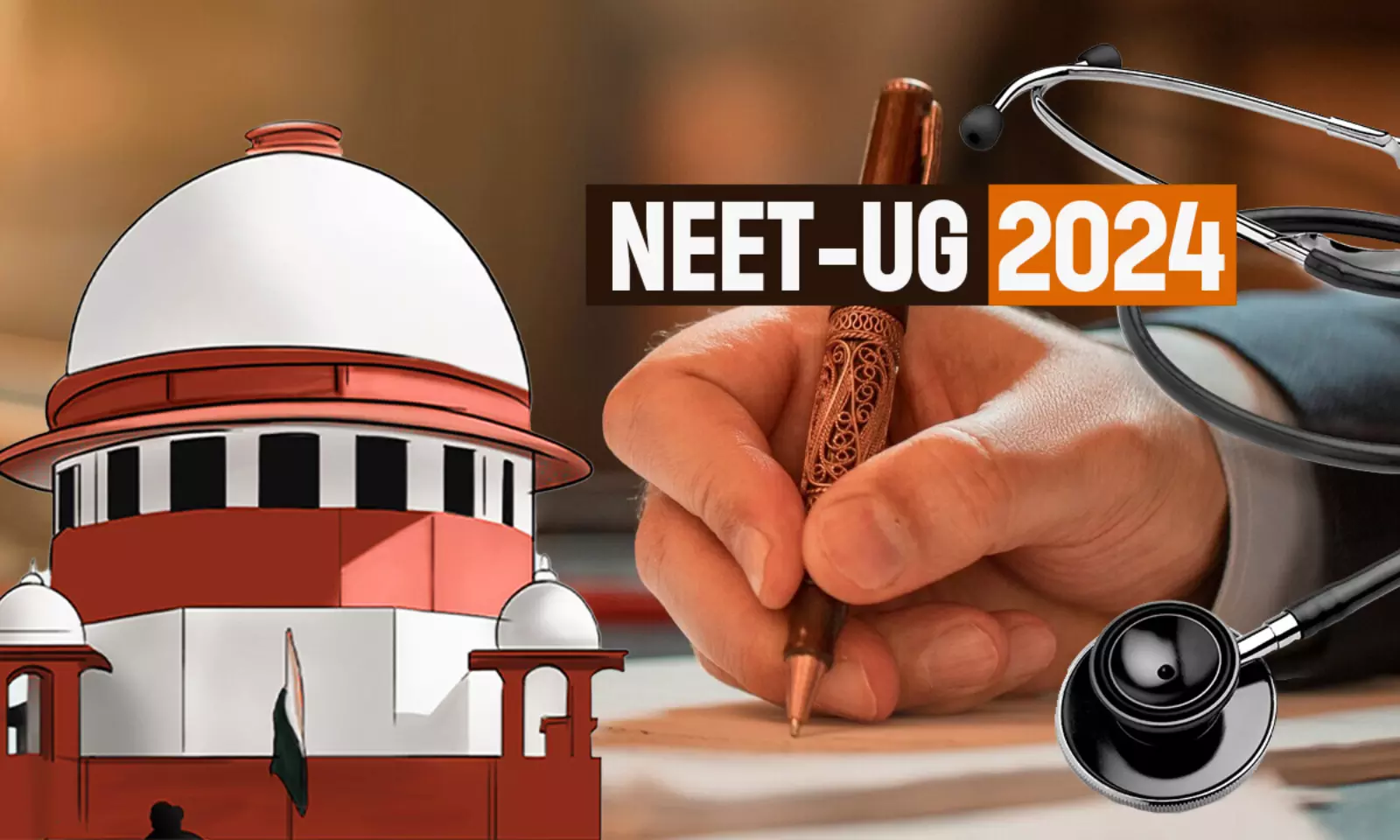
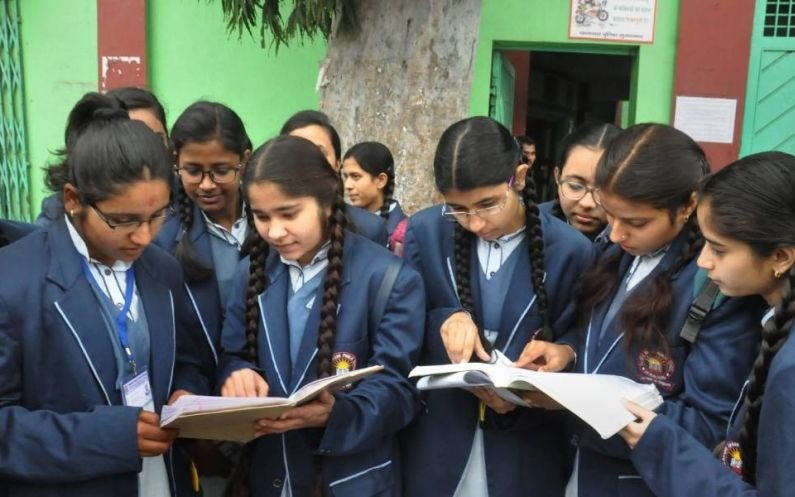



NEET The National Eligibility cum Entrance Test (NEET) serves as a critical gateway for aspiring medical students in India, determining their eligibility for admission to undergraduate medical programs. This examination holds significant weight in shaping the future of healthcare professionals and ensuring that qualified candidates are selected to pursue their medical careers. However, the integrity of the NEET examination is increasingly under scrutiny due to various unethical practices that have recently surfaced.
In particular, the use of mobile phones within examination centers has emerged as a pressing issue. Reports from districts such as Hyderabad and Varanasi indicate that some NEET aspirants have been caught red-handed with phones during the exam, attempting to leverage technology to gain an unfair advantage. This trend raises serious concerns about the adherence to ethical standards and the overall integrity of the examination process.
The implications of such dishonest practices extend beyond individual candidates, affecting the credibility of the examination system itself. This erosion of trust in the evaluation process threatens not only the fairness of medical admissions but also the quality of healthcare in India. If ineligible candidates gain entry into medical schools due to exam misconduct, it may compromise the future of medical education and, ultimately, patient care.
As NEET continues to be a pivotal examination for countless aspirants, it is imperative to address these ethical challenges head-on. The fight against impersonation and other forms of academic dishonesty is crucial in preserving the sanctity of the examination process and ensuring that only the most deserving candidates pursue a career in medicine. The ongoing focus on creating a fair testing environment is essential not only for the aspirants but also for the integrity of the healthcare system in India.
Recent Incidents: Phones Found during NEET Exams
In recent months, there has been a troubling surge in incidents involving the smuggling of mobile phones into NEET examinations across various centers in India. Notably, two significant cases were reported in Hyderabad and Varanasi, prompting urgent action from educational authorities. In these incidents, candidates devised intricate methods to bypass security measures, including concealing phones within personal items or utilizing technology that allowed them to manipulate examination protocols.
In Hyderabad, authorities intercepted a group of candidates who had cleverly disguised their mobile devices. Some chose to hide phones within their clothing, while others coordinated with accomplices outside the examination hall to receive answers in real time. The ramifications of these actions were severe; individuals found in violation faced immediate disqualification and were subject to legal repercussions. Educational boards emphasized that such dishonesty undermines the integrity of the entire examination process.
Similarly, in Varanasi, reports emerged concerning aspirants who used similar tactics, leading to significant scrutiny over security protocols at NEET testing centers. The swift actions taken by regulatory bodies not only highlighted the importance of maintaining a fair examination environment but also sparked a conversation among parents and educators regarding the reliability of the examination setup. Many parents expressed deep concern over the increasing instances of cheating, fearing that such incidents could diminish the value of NEET as a gateway to medical education.
The public’s reaction to these incidents has been one of outrage and disappointment, stressing the need for enhanced surveillance and stricter enforcement of examination regulations. Educational authorities have begun to implement upgraded security measures, including stricter screening processes and technological innovations to prevent the use of mobile devices in future examinations.
Impersonation Cases: The Bihar Arrests
In recent months, the state of Bihar has witnessed alarming instances of impersonation during the National Eligibility cum Entrance Test (NEET). Nine individuals were apprehended, suspected of attempting to impersonate candidates during this crucial medical examination. The seriousness of this incident underscores the growing trend of unethical practices within the education system in India, where the stakes are significantly high for aspiring medical students.
Impersonation typically involves an impersonator, who is often paid a significant amount, assuming the identity of a genuine candidate. This act is facilitated through various tactics, including the use of forged documents, fake identification, and even physical alterations to mimic the original examinee’s appearance. In some cases, preparatory measures taken include extensive research on the target candidate, ensuring that the impersonator can convincingly answer the questions posed during the test to avoid detection by invigilators.
The legal ramifications of such impersonation actions are serious and can lead to stringent penalties. Individuals found guilty of impersonation can face imprisonment, hefty fines, and a permanent ban from taking future examinations. This not only hampers the integrity of the NEET examination but also raises concerns about the potential loss of future medical professionals due to dishonesty.
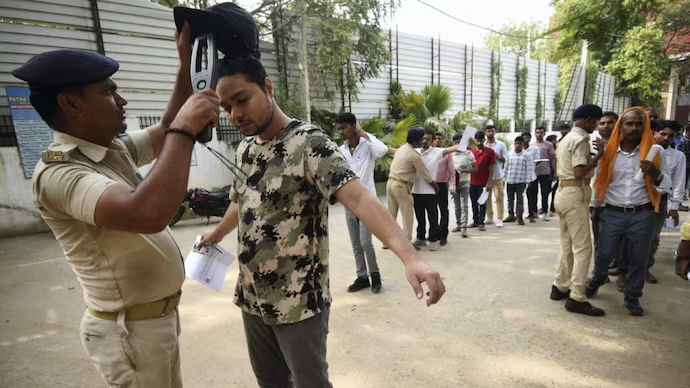
In response to these challenges, examination boards are taking proactive measures to mitigate impersonation risks. Enhanced security protocols are being instituted, such as biometric verification systems, CCTV surveillance in examination halls, and thorough identity checks before candidates enter the testing area. These measures aim to uphold the integrity of the NEET examination, ensuring that only deserving candidates are granted the opportunity to pursue a career in medicine.
Consequences and the Way Forward
In the realm of medical education, the recent cheating scandals involving NEET (National Eligibility cum Entrance Test) aspirants in India have raised significant concerns about the integrity and reliability of the examination process. The long-term effects of these incidents extend beyond individual candidates; they potentially tarnish the reputation of the medical profession itself. When merit is compromised, it not only questions the capability of medical students who gain admission through dishonest means but also undermines public trust in healthcare professionals.
One of the primary consequences of such scandals is the emotional and psychological toll on sincere aspirants who dedicate years of hard work towards their goals. Those who have chosen the path of honesty often feel disheartened by the notion that their efforts may be overshadowed by the success of dubious means. This can lead to a decline in motivation among students, skewing the perception of the value of hard work and ethics in academia.
To address these issues, it is crucial to introduce reforms that strengthen the security and integrity of the NEET examination. Implementing biometric verification, sophisticated surveillance systems, and stringent identification protocols can help deter impersonation and eliminate cheating opportunities. Additionally, advocacy for a code of conduct that emphasizes ethical behavior within academic environments could pave the way for fostering a culture of integrity among students.
Moreover, institutions should engage in open dialogues about the importance of ethics and the consequences of unethical behavior. Educational programs aimed at instilling values of honesty and accountability can significantly contribute to nurturing future healthcare professionals who prioritize ethics alongside academic achievement. By emphasizing these principles, the medical community can work towards restoring faith in the admissions process, ensuring that the best candidates are chosen based on their true potential.