The NEET UG (National Eligibility cum Entrance Test for Undergraduate) has long been a pivotal examination for aspiring medical students in India, serving as the gateway to various medical colleges across the nation. The NEET UG 2026 re-exam challenge has emerged from concerns regarding the integrity and fairness of the examination process. This challenge was primarily prompted by allegations concerning discrepancies in question paper leaks and unfair evaluation methods, which potentially undermine the meritocratic ideals at the heart of the examination.
The legal challenge to the NEET UG 2026 was filed by several concerned stakeholders, including medical students and educational activists, who argued that a re-examination was necessary to rectify the perceived injustices faced by candidates. By seeking intervention from the Supreme Court, these petitioners aimed to highlight critical deficiencies in the current examination framework and push for substantial institutional reforms. They asserted that the outcomes of the 2026 examination do not reflect an accurate assessment of students’ capabilities, and thus, a re-examination should be conducted to ensure a level playing field for all medical aspirants.
Furthermore, the implications of this legal action extend beyond the immediate re-examination. The challenge raises broader questions about the accountability of the examination authorities and the need for systemic changes to address the issues surrounding examination transparency, question setting, and result publication. With the Supreme Court’s involvement, the challenge not only highlights the pressing concerns of candidates but also emphasizes a demand for more rigorous regulation and reform within the overarching medical education infrastructure in India. Such developments could ultimately impact the future conduct of NEET examinations, influencing how educational authorities approach fairness and integrity in the evaluation of medical aspirants.
Supreme Court’s Ruling on the Re-Exam Challenge
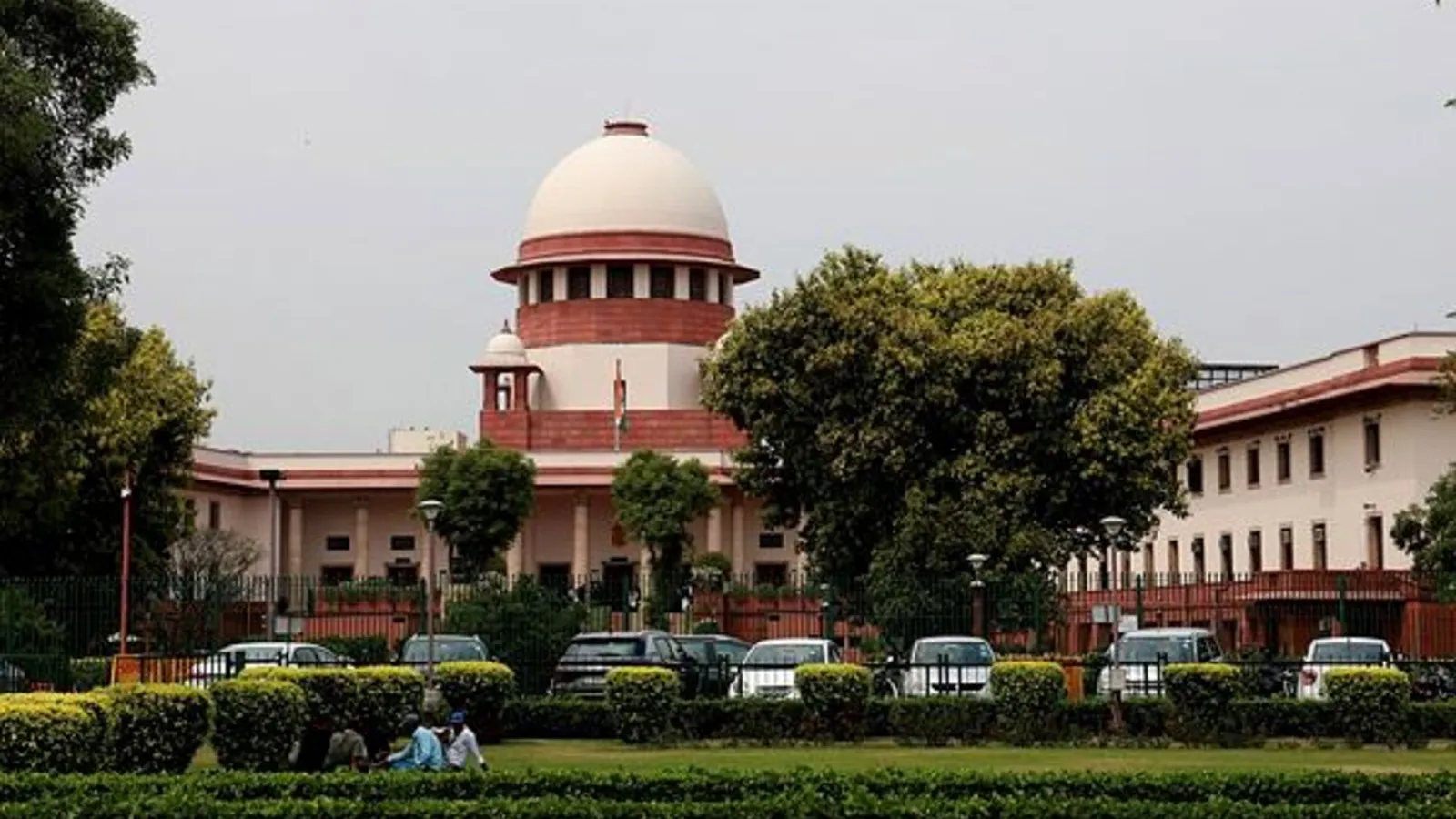
NEET UG In a notable ruling, the Supreme Court of India addressed the NEET UG 2026 re-exam challenge, ultimately declaring the challenge as infructuous. This decision stemmed from extensive deliberations and careful consideration of the arguments presented by both parties involved in the case. During the hearings, the petitioners argued that irregularities in the examination process warranted the need for a re-examination to ensure fairness and integrity in the assessment of candidates. They posited that any lapses in the conduct of the exam could adversely affect the future of aspiring medical students.
On the other hand, the respondents, which include the National Testing Agency (NTA) and other relevant educational bodies, contended that the existing examination process adhered rigorously to established standards and protocols. They maintained that the integrity and credibility of the NEET UG examination were intact, dismissing the claims of the petitioners as unfounded. The Supreme Court, in its ruling, evaluated these perspectives alongside the legal frameworks governing educational assessments in India.
The legal reasoning provided by the judges emphasized a few key points. Firstly, they underscored the importance of institutional stability and the necessity of upholding decisions made by academic authorities unless there is substantial evidence to the contrary. Secondly, the Court recognized that issuing a re-exam could disrupt the entire process, further complicating admissions for medical colleges, especially given the competitive nature of the examination. In light of these considerations, the Supreme Court concluded that reopening the case for a re-examination would not serve the interests of justice.
This ruling considerably affects not only the candidates who participated in NEET UG 2026 but also the integrity of the examination process as a whole. By declaring the challenge infructuous, the Supreme Court reinforces its stance on maintaining institutional authority and stability within educational sectors, all while establishing a precedent for future cases pertinent to examination disputes.
Implications of the Ruling: Focus on Institutional Reforms
The Supreme Court’s recent ruling in the context of the NEET UG 2026 re-examination challenge highlights substantial implications that extend beyond the immediate concerns of the examination process. Central to this discussion is the emphasis on the need for comprehensive institutional reforms aimed at addressing the foundational issues associated with the NEET examination system. The court has identified several failures within the current framework that undermine the integrity and efficacy of the examination.
One of the critical failures cited by the court pertains to the lack of transparency and accountability in the examination process. This absence raises questions regarding the fairness of the assessment and its capacity to serve as a reliable indicator of a student’s competence. The court’s observations underscore the necessity for reforms that would enhance transparency in both the examination procedures and the subsequent admissions process, ensuring that all stakeholders can have faith in the system’s integrity.
Moreover, the ruling has implications for future examinations as it calls for a re-evaluation of how these assessments are conducted. It encourages educational authorities to adopt strategies that could mitigate the challenges faced by students, particularly those related to accessibility and equity in the examination landscape. The need for institutional reform is not only about addressing current shortcomings; it is also about fostering an educational environment where future examinations can be conducted with fairness and impartiality.
Consequently, the ruling may catalyze a broader dialogue regarding educational policies surrounding medical admissions in India. By focusing on institutional reforms, there is potential for reshaping the examination landscape to better serve the academic and professional aspirations of students across the nation. Ensuring that future processes are not only efficient but also equitable will be paramount in the following years.
Next Steps for Aspirants and Stakeholders
The Supreme Court’s recent ruling concerning the NEET UG 2026 re-exam has raised critical considerations for both aspirants and educational stakeholders. Following this decision, it is essential for NEET candidates to adapt their preparation strategies to align with the current academic climate. This shift should involve a thorough analysis of the exam pattern, syllabus updates, and practice with recent question papers to ensure comprehensive readiness.
Aspirants are encouraged to actively engage with various resources, including coaching institutes, online modules, and mock examinations. Consistent assessment of one’s progress through timed practice tests can facilitate a better understanding of individual strengths and weaknesses. Furthermore, maintaining a disciplined study schedule and focusing on time management during preparation phases are crucial for success in competitive exams like the NEET.
On the other hand, educational institutions must consider their roles in this evolving scenario. They should work towards enhancing the quality of instruction and support for aspiring medical professionals. Institutions can implement academic workshops, interactive sessions, and mentorship programs designed to assist students in navigating their studies and tackling exam pressures effectively.
Additionally, it is vital for stakeholders, including policymakers and educational authorities, to reassess existing policies in light of the Supreme Court’s decision. Possible reforms may involve refining examination processes and ensuring transparency and fairness in competitive assessments. Such steps are essential not only for restoring confidence in the system but also for fostering a conducive atmosphere for learning.
As the landscape of medical entrance examinations continues to evolve, proactive engagement from both students and educational bodies will be paramount in advocating for effective institutional reforms and enhancing the preparedness of future medical practitioners.