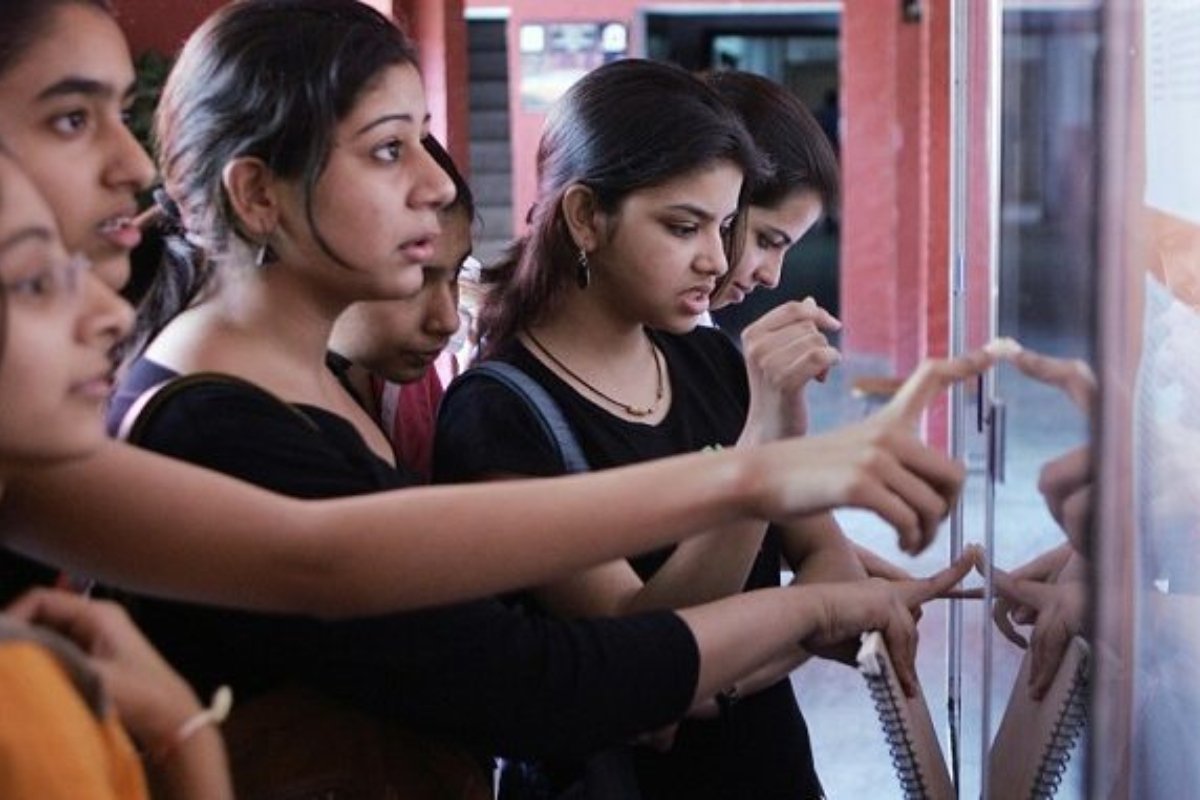
Waiting for a Future: The National Eligibility cum Entrance Test for Postgraduate (NEET PG) is a pivotal examination that serves as a gateway for aspiring medical professionals in India. Conducted by the National Board of Examinations (NBE), NEET PG evaluates the knowledge, skill, and aptitude of candidates who seek admission to various postgraduate medical courses, such as MD, MS, and Diploma programs across numerous medical colleges in the country. The significance of this examination extends beyond mere academic assessment; it plays a crucial role in determining an individual’s future career trajectory in the healthcare sector.
NEET PG follows a structured format, consisting of multiple-choice questions covering a comprehensive syllabus drawn from the MBBS curriculum. Candidates must demonstrate proficiency in subjects ranging from Anatomy and Physiology to Pharmacology and Pathology. This rigorous evaluation process is designed not only to uphold the standards of medical education in India but also to ensure that only the most qualified candidates gain admission into postgraduate programs. The weightage of NEET PG results in the admission process cannot be overstated, as it influences not just where candidates study, but also their subsequent career opportunities. Choosing the right specialization, which can shape their future roles as expert practitioners, is heavily dependent on the NEET PG outcome.
Aspiring medical professionals undertake this examination with the belief that success in NEET PG will pave the way for advanced learning and specialization. The importance of this exam is further amplified by the fact that postgraduate medical education often translates into better job prospects, increased earning potential, and a chance to contribute meaningfully to the healthcare system. The stakes are undeniably high, making the examination an essential milestone in the lives of countless medical students across India.
The Systemic Delays: Causes and Consequences
Waiting for a Future: The systemic delays affecting the National Eligibility cum Entrance Test for Postgraduate (NEET PG) students can be attributed to a multitude of factors that collectively undermine the efficiency of the process. One significant cause is administrative inefficiencies. Often, the management of schedules, communication gaps between authorities, and lack of streamlined processes contribute to an erratic timeline for exam conduction and results. As a result, students find themselves in a state of uncertainty regarding their future careers, which can lead to significant frustration.
Scheduling issues further exacerbate the delays in the NEET PG process. Conflicting examination dates, a limited number of available examination centers, and unforeseen circumstances such as natural disasters or pandemics can disrupt the flow of the examination schedule. These scheduling challenges not only prolong the waiting period for students hoping to advance in their medical careers but also intensify the pressure they face to perform well academically during an already challenging time.
Waiting for a Future: Bureaucratic hurdles also play a critical role in causing delays within the system. Lengthy and complex procedures for registration, documentation verification, and result validation can hamper the progression of aspiring postgraduate students. This bureaucratic excess not only discourages potential candidates but also perpetuates an atmosphere of uncertainty and anxiety surrounding the examination.
The consequences of these systemic delays extend beyond logistical inconveniences. Students often experience emotional stress stemming from the unpredictability of their academic journey. Financial implications are also significant, as many candidates invest heavily in preparatory courses and resources while facing the possibility of delayed admissions into postgraduate programs. Ultimately, these systemic challenges can lead to a cascade of lost opportunities for students aiming to start their medical careers, leaving them to grapple with the impact on their personal and professional aspirations.
Impact on Families: Emotional and Financial Toll
Waiting for a Future: The systemic delays experienced by NEET PG students extend their effects beyond the individuals directly involved, significantly impacting their families. These delays generate a multifaceted emotional burden characterized by anxiety, uncertainty, and distress. Families often find themselves caught in a tumultuous waiting period, experiencing a range of emotions as they await exam results and admission decisions. The impermanence of knowing their children’s futures can lead to a sense of helplessness, as parents worry about their kids’ mental well-being, career trajectories, and overall life satisfaction.
Moreover, the prolonged preparation period necessitated by such delays contributes to significant financial strains. It is not uncommon for families to invest in various forms of coaching and preparatory courses, which can inflate costs markedly. As students revisit study materials and enroll in additional coaching sessions, families face escalating tuition fees, transportation costs, and living expenses. For many, particularly those from lower- or middle-income backgrounds, this financial burden can become overwhelming, leading to further stress and anxiety.
Personal anecdotes highlight the toll systemic delays take on family dynamics. For example, one family reported feeling financially and emotionally drained after multiple attempts to support their child through a challenging preparation process. The uncertainty surrounding admissions left them questioning their financial priorities, as they juggled household expenses while investing in additional coaching resources. Such stories are indicative of the broader experience shared by many families: the fear of an uncertain future blends with the tangible strain of mounting expenses, creating a landscape fraught with worry and emotional fatigue.
In essence, the emotional and financial toll of waiting for NEET PG results not only affects the students but deeply impacts their families, who must navigate anxieties and uncertainties alongside their loved ones.
Navigating the Uncertainty: Coping Strategies and Solutions
Waiting for a Future: The prolonged waiting periods associated with NEET PG can be a source of significant stress for students and their families. The uncertainty not only impacts academic and professional aspirations but also takes a toll on mental health and familial relationships. Employing effective coping strategies is essential in navigating this challenging landscape. One proactive approach is the practice of mindfulness and stress management techniques. Activities such as meditation, yoga, or deep-breathing exercises can help individuals find a sense of calm amid the unpredictability. Engaging in these practices regularly can foster resilience, allowing students to maintain focus on their goals during waiting periods.
Another practical strategy involves exploring alternative career options. While NEET PG represents a specific path to becoming a medical professional, the medical field offers various opportunities that might align with a student’s interests and skill set. Fields such as public health, healthcare administration, or clinical research may provide fulfilling careers and allow students to apply their medical knowledge effectively. By researching and considering these alternatives, students can mitigate the anxiety of waiting and remain optimistic about their future.
In addition to personal coping mechanisms, involvement in community activities or volunteer work can be enriching. Students can consider engaging in relevant experiences, such as internships in healthcare settings or participating in outreach programs, providing a sense of purpose and connection. Furthermore, families should maintain open lines of communication, offering emotional support to one another during this uncertain time.
Waiting for a Future: On a systemic level, advocating for policy changes can lead to significant improvements for future NEET PG candidates. Engaging with educational authorities and voicing concerns regarding delays can enable stakeholders to recognize and address these systemic issues. Potential reforms may include streamlining application processes or increasing availability for examination slots, thereby reducing waiting times for subsequent candidates. By focusing on both individual and collective coping strategies, students and their families can more effectively navigate the uncertainty that accompanies the NEET PG experience.