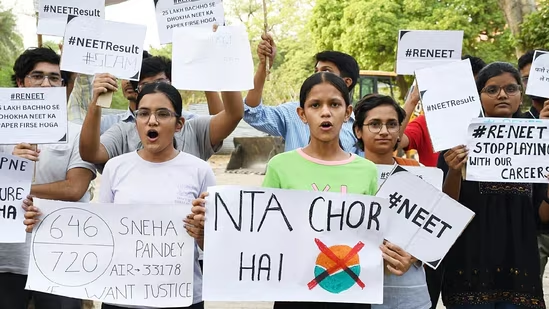






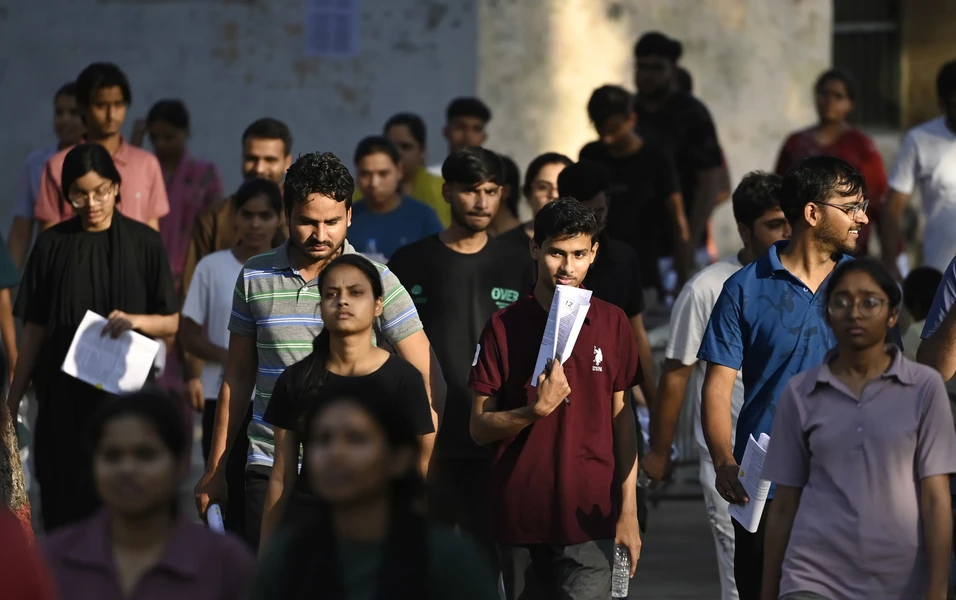
NEET The National Eligibility cum Entrance Test (NEET) is a crucial examination in India, serving as a gateway for students aspiring to pursue careers in medicine and dentistry. Administered by the National Testing Agency (NTA), NEET evaluates the aptitude of candidates in subjects such as Physics, Chemistry, and Biology, making it a standardized measure for entrance into undergraduate medical programs across the country. Its importance hinges not only on its role as a selection criterion but also on its impact on the quality of medical education and healthcare in India.
Significantly, NEET holds a distinctive position in the education system as it encompasses students from diverse educational backgrounds, ensuring a level playing field. The transparency and integrity of this examination are paramount, as they affect not only the future of the thousands of students who take NEET annually but also the broader medical community. A robust and leak-proof examination system is essential to maintain the credibility of the selection process and to ensure that only the most qualified candidates enter the medical field.
Potential leaks or malpractices related to the NEET examination can have far-reaching consequences. They can undermine public confidence in the examination process, compromise educational integrity, and ultimately impact the quality of healthcare services provided to the Indian populace. With the paramount importance of upholding the validity and reliability of NEET, it becomes integral to continuously analyze and address any shortcomings that may exist in the examination system. As we delve further into the intricacies of the NEET 2026 leak-proof system, we must remain cognizant of the implications surrounding the integrity of this pivotal examination.
The Intended Leak-Proof Mechanisms Adopted
The National Eligibility cum Entrance Test (NEET) has introduced several innovative mechanisms designed to fortify the integrity of the examination process against leaks. Central to these mechanisms is biometric verification, which is employed to validate the identity of candidates prior to their entrance into the examination hall. This technology captures unique biometric identifiers such as fingerprints and facial recognition, making it virtually impossible for impersonation to occur, thus upholding the credibility of the exam.
Another significant element in the leak-proof strategy is the utilization of encrypted question papers. By generating question papers that are stored and transmitted in a secure digital format, the examination authorities aim to prevent unauthorized access and dissemination of content before the examination occurs. This encryption process ensures that only the designated examination centers can access the relevant materials, thereby reducing the risk of leaks that may otherwise stem from earlier access to the questions.
Furthermore, the protocols put in place for the conduction of the exam are meticulously crafted to minimize any potential malpractices. These protocols involve strict monitoring of the examination environment, including the presence of surveillance systems and vigilant invigilators, to oversee the conduct and behavior of candidates. By fostering an atmosphere of integrity, the NEET organizers hope to deter candidates from engaging in any form of cheating or irregularity that could compromise the fairness of the examination.
Each of these intended leak-proof mechanisms plays a crucial role in safeguarding the integrity of the NEET examination. However, while they establish formidable barriers against leaks, an evaluation of their effectiveness and any lingering shortcomings remains pertinent for continuous improvement in the examination system.
Failures and Breaches: What Went Wrong?
The integrity of the National Eligibility cum Entrance Test (NEET) has been compromised on multiple occasions, drawing scrutiny on the effectiveness of the leak-proof systems installed to mitigate such risks. Incidents of examination leaks have not only raised questions about the operational protocols but have also spotlighted human and technological vulnerabilities inherent within the system.
One notable incident occurred during the NEET examination in 2019, where an organized group managed to distribute answer keys prior to the test, leading to a significant number of candidates gaining unauthorized advantages. This breach can be attributed to inadequate checks in the distribution protocols of examination materials. While the NEET authorities had established comprehensive security measures, including biometric verification and CCTV surveillance, these were insufficient to deter collaborative malpractices.
Moreover, technological malfunctions also played a critical role in the failure of the leak-proof system. Instances have been reported where the software used for administering the exam crashed, resulting in delays and confusion during the examination process. Such lapses undermine the credibility of the solutions devised to prevent leaks, as they create opportunities for exploitation.
Human error remains a persistent concern in the functioning of security protocols. Instances have surfaced where invigilators failed to properly monitor examination rooms, inadvertently allowing candidates to access prohibited materials. The dependency on human diligence in enforcing protocol exposes the system to risks that automated solutions might have mitigated.
In examining these failures, it becomes evident that a multilayered approach is essential for reforming the system. Addressing the shortcomings requires a combination of improved training for personnel, the implementation of more robust technology, and a rigorous evaluation of existing protocols. Only by acknowledging and addressing these vulnerabilities can the integrity of NEET be restored and maintained in future examinations.
Lessons Learned and Future Recommendations
The recent challenges associated with the NEET 2026 leak-proof system have highlighted crucial lessons regarding the integrity and efficacy of examination protocols. This situation urges stakeholders, including educational authorities and examination boards, to reassess their strategies to enhance the reliability of the testing process. One key takeaway from the setbacks is the necessity for adopting advanced technological resources. Innovative solutions such as biometric verification, artificial intelligence-based surveillance during exams, and secure digital platforms can significantly bolster the security of examination frameworks.
Furthermore, reinforcing existing protocols can play a vital role in averting similar issues in future examinations. Implementing stricter measures, such as comprehensive background checks for staff involved in the examination process and real-time monitoring throughout the examination, will contribute to increased security. These enhanced protocols should be backed by rigorous training programs for examination personnel, ensuring they are well-acquainted with the latest advancements in exam administration and fraud prevention.
Moreover, broader reforms within the examination framework must be considered to address systemic vulnerabilities. This includes the formulation of a robust policy on transparency and accountability, ensuring that all actions taken during the exam administration process are traceable and subject to scrutiny. An open dialogue with students, educators, and other stakeholders can further facilitate trust in the examination process.
In essence, enhancing the integrity of the NEET examination requires a multi-faceted approach that embraces technology, rigorous protocols, and systemic reforms. By fostering a culture of transparency and accountability, stakeholders can work collaboratively to ensure that the examination process is both secure and credible, safeguarding the interests of all involved.