


Tamil Nadu to Surrender The National Eligibility cum Entrance Test for Super Speciality (NEET-SS) serves as a pivotal examination in India for those aspiring to pursue advanced medical education. This entrance test has significantly impacted the landscape of medical education, specifically in the allocation of super speciality medical seats. Super speciality seats are crucial for training in various advanced medical fields which include cardiology, neurology, and surgical specialties, among others. The primary aim of these seats is to ensure that the healthcare system benefits from well-trained specialists who can provide high-quality medical care.
The eligibility criteria for candidates aspiring to secure super speciality medical seats through NEET-SS are rigorous. Candidates must have completed a postgraduate degree in medicine, such as an MD or MS, and demonstrate a strong academic foundation and understanding of complex medical concepts. This high standard ensures that only qualified individuals proceed to the next level of medical education, ultimately enhancing the quality of care provided to patients across the nation.
Over the years, the process of admission to super speciality courses has evolved to incorporate a more standardized and fair approach towards seat distribution. While initially, merit-based criteria dominated the landscape, recent reforms have introduced provisions to accommodate reservations and ensure equitable access to medical education. This evolution reflects the need for a balanced allocation of seats which addresses the requirements of diverse regions, thereby promoting inclusivity in medical education.
Moreover, the recent Supreme Court directive for Tamil Nadu to surrender 151 vacant super speciality seats to the All India Quota underscores the importance of equitable distribution. Such measures highlight the commitment toward maintaining fairness and transparency in the allocation process, ensuring that aspirants from various parts of the country have equal opportunities to pursue their medical careers.
The Supreme Court’s Ruling: What It Means for Tamil Nadu
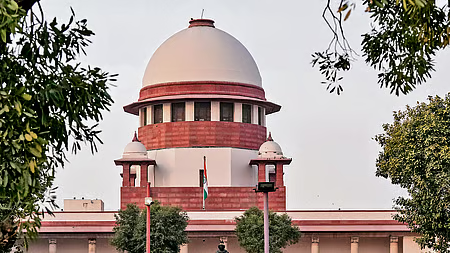
Tamil Nadu to Surrender In a landmark decision, the Supreme Court of India has directed the state of Tamil Nadu to surrender 151 vacant super speciality medical seats to the All India quota. This ruling stems from concerns regarding the equitable allocation of medical seats across various states, ensuring that aspiring medical students from different regions have access to quality medical education.
The implications of this ruling for Tamil Nadu are multifaceted. Firstly, it highlights the need for states to adhere to national policies regarding medical seat allocation. The All India quota was established to provide opportunities to students from underrepresented areas, thereby fostering a more inclusive environment within medical education. By surrendering these 151 seats, Tamil Nadu is aligning itself with this broader, national objective, which seeks to mitigate regional disparities in healthcare education.
This decision is likely to affect the medical education landscape within Tamil Nadu. The state has traditionally retained a significant number of medical seats for local students, and this ruling may necessitate administrative adjustments to accommodate the new allocation norms. Consequently, it may encourage the state to re-evaluate its strategies for managing medical education resources, potentially leading to changes in how future seats are allocated among different categories of students.
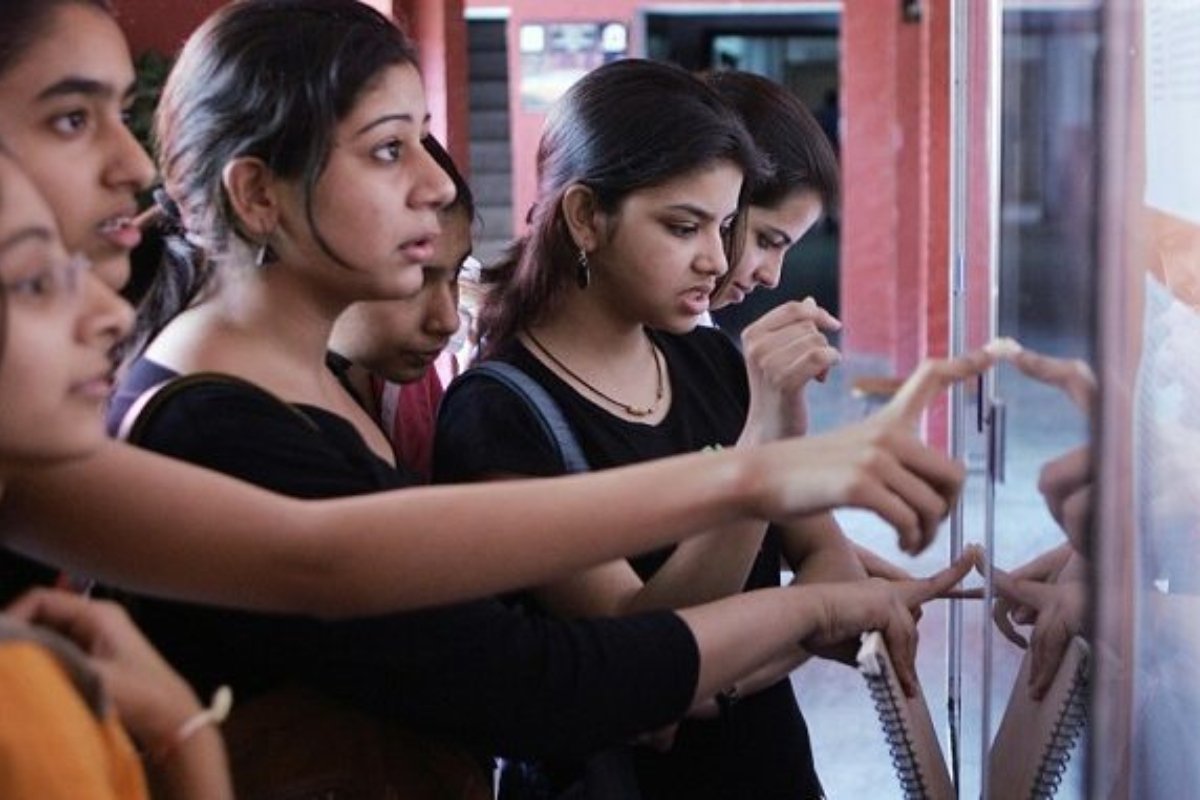
Moreover, contestants vying for these coveted super speciality seats in Tamil Nadu must now prepare for a more competitive environment. With the surrender of the vacant seats to the All India quota, the level of competition may intensify, potentially shifting the dynamics of admissions in the region. As the examination landscape evolves, students will need to enhance their preparedness to secure admission into these highly sought-after programs.
Reactions from Stakeholders: State Government, Medical Institutions, and Students
The recent ruling by the Supreme Court mandating Tamil Nadu to surrender 151 super speciality medical seats to the All India Quota has elicited a variety of responses from stakeholders directly impacted by this decision. The state government has expressed its disappointment, arguing that the ruling undermines local needs and the autonomy of state-run medical institutions. Officials have voiced concerns that such decisions may disrupt the state’s efforts to cater to its own healthcare requirements and service gaps. The allocation of super speciality seats has always been viewed through the lens of regional need; thus, this ruling raises questions regarding localized healthcare resource management.
Medical institutions in Tamil Nadu have echoed similar sentiments, emphasizing the significance of these super speciality seats in addressing the healthcare demands of the local population. Deans and administrators from various colleges have stated that the loss of these seats may lead to an inadequate supply of specialists in critical fields, thereby exacerbating existing deficiencies in health services across the state. They argue that while national standards are crucial, they should be balanced against the immediate healthcare needs of Tamil Nadu’s residents.
Moreover, students who were eligible for these super speciality seats have shared mixed feelings. Some students express disappointment over the loss of opportunities that could have facilitated their education and professional growth in sought-after specialties. Conversely, students who support the ruling argue that a national approach ensures fair distribution of medical resources across regions, ultimately fostering better healthcare access nationwide. This division of opinion illustrates the broader dilemma faced by educational stakeholders: the challenge of harmonizing local educational policies with national requirements without compromising the quality of healthcare delivery.
Future Implications: The Road Ahead for Super Speciality Medical Education in India
The recent ruling by the Supreme Court of India, directing the state of Tamil Nadu to surrender 151 vacant super speciality medical seats to the All India Quota, has far-reaching implications for the realm of medical education in the country. This decision not only affects the immediate allocation of medical seats but also sets a precedent for future admissions policies, underlining the importance of equitable access to healthcare education across states.
One of the most significant implications of this ruling is the potential for further reforms in the seat allocation process for super speciality courses. The Supreme Court’s decision highlights the ongoing challenges in balancing state rights with national educational standards. In the short term, this may motivate other states to reevaluate their own seat allocation methods and how these align with national policies. Over time, we could witness a more standardized approach across various states, thus enhancing transparency and fairness in the distribution of medical education resources.
Moreover, the ruling emphasizes the need for improved coordination between state and national educational policies. Current discrepancies between these frameworks often lead to underutilized seats and unfulfilled aspirations of countless medical aspirants. A more collaborative approach could lead to optimized seat usage, better training opportunities, and a more qualified healthcare workforce. As the Medical Council of India (MCI) and other regulatory bodies take the necessary steps to address these gaps, the landscape of super speciality medical education may evolve significantly.
Additionally, this decision could influence the aspirations and educational outcomes for future medical candidates. As barriers for accessing super speciality courses diminish, more students might be encouraged to pursue these challenging fields. This increase in competition may subsequently lead to enhancements in the quality of medical training, ultimately benefiting the healthcare system as a whole.