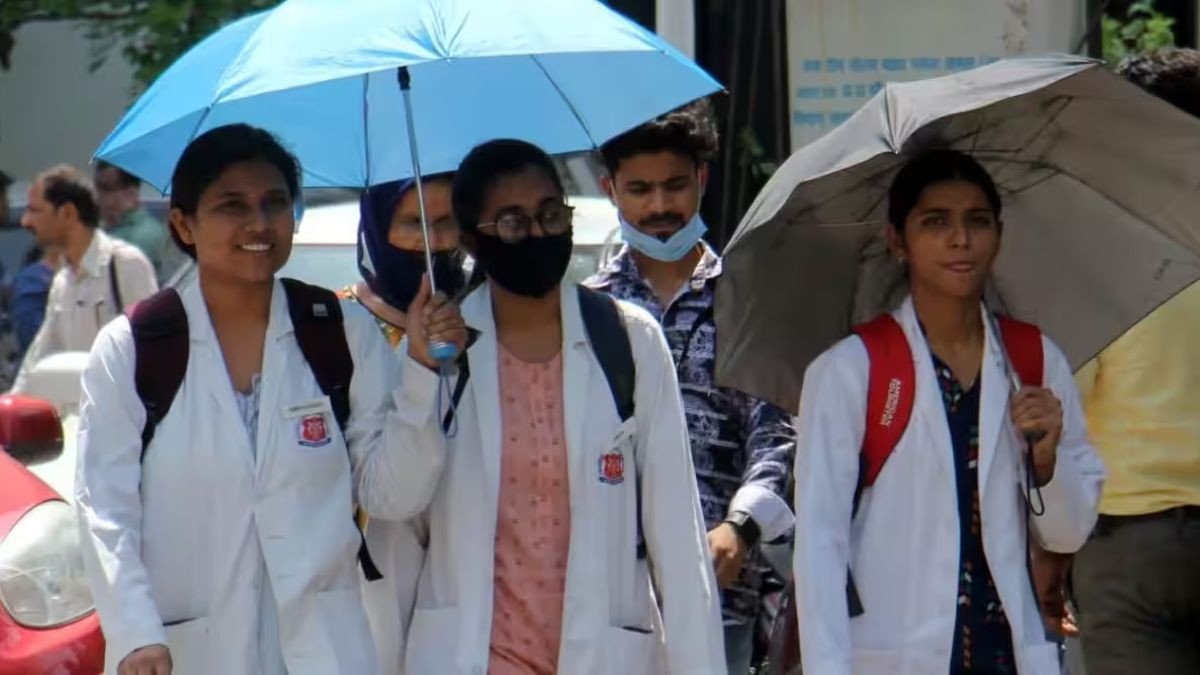
Japan has established itself as a leading destination for medical education, attracting students from around the globe, including a significant number from India. The country’s renowned institutions are recognized for their rigorous academic standards, comprehensive curricula, and a focus on research and innovation. Among the top medical schools in Japan, institutions such as the University of Tokyo, Kyoto University, and Osaka University are highly esteemed both nationally and internationally, offering programs that encompass a blend of theoretical knowledge and practical applications in healthcare.
One of the defining characteristics of medical education in Japan is its emphasis on advanced medical technologies. The country is at the forefront of medical research and technological innovations, contributing significantly to fields such as robotics, genomics, and regenerative medicine. These advancements not only enhance the learning experience for medical students but also prepare them to be at the vanguard of global medical practices upon graduation. Students gain exposure to cutting-edge equipment and techniques, which are often integrated into the curriculum to ensure that they remain competitive in a rapidly evolving healthcare environment.
The quality of medical training in Japan is further complemented by the country’s unique healthcare system, which is known for its accessibility and high standards. The Japanese healthcare model emphasizes preventative care and public health, aspects that are woven into the medical education framework. This allows aspiring medical professionals to gain a holistic understanding of patient care and health management.
For Indian medical aspirants interested in pursuing education in Japan, the admission process typically requires a strong academic background, proficiency in the Japanese language, and an understanding of the local culture. Many universities offer preparatory courses to help international students bridge the gap in language and cultural familiarity, thus facilitating a smoother transition into their medical studies.
Benefits of Studying Medicine in Japan
Studying medicine in Japan presents a multitude of advantages for Indian students aspiring to pursue a medical degree. One significant benefit is the affordability of education compared to Western countries. Tuition fees in Japan are relatively low, and public universities offer excellent programs at minimal costs. Additionally, the living expenses in Japan, while typically higher than in India, can be well managed with proper budgeting, and many students find that their overall expenditure remains lower than that incurred in countries such as the United States or the United Kingdom.
Japan also boasts a high standard of living, providing a safe and clean environment conducive to academic success. The quality of healthcare in Japan is among the highest in the world, meaning students can gain exposure to advanced medical practices and technologies. Furthermore, student life in Japan offers a unique cultural experience; the blend of modernity and tradition allows for immersive learning outside the classroom, enriching the academic journey.
Moreover, there is a growing network of support for foreign students in Japan, aiding their transition into the academic and social life within the country. Many universities have dedicated offices for international students, providing resources ranging from language classes to counseling services. Scholarships specifically tailored for international medical aspirants are also becoming increasingly available, making the pursuit of a medical career in Japan even more accessible.
Lastly, studying in Japan provides invaluable experiences in a diverse environment. Interacting with peers from various cultural backgrounds enhances interpersonal skills and broadens one’s understanding of global health issues. Through community engagements and partnerships in health programs, Indian students can cultivate a deeper appreciation for both local and international medical practices. Overall, the experience gained from studying medicine in Japan equips future medical professionals with the skills and perspectives necessary to excel in a globalized healthcare landscape.
Challenges and Considerations for Indian Aspirants
As Indian medical aspirants contemplate pursuing their education in Japan, several challenges and considerations emerge that warrant careful attention. The primary hurdle is the language barrier, as a significant portion of medical instruction and patient interaction occurs in Japanese. Aspiring students must attain a high level of proficiency in the Japanese language, not only for their education but also for effective communication during clinical practice. Language preparation courses, often offered by various institutions or language schools, can be a valuable resource for these students. This investment in language education plays a crucial role in bridging the communication gap and ensuring successful integration into the Japanese healthcare environment.
In addition to language challenges, cultural differences may also present obstacles for Indian students. Japan has distinctive customs, social norms, and professional expectations that may differ significantly from those in India. Adapting to a new cultural context is essential for fostering relationships with peers, faculty, and patients. Engaging with local communities, participating in cultural exchange programs, and establishing mentorship connections with senior students can facilitate better cultural understanding and integration.
The complexities of visa and residency processes add another layer of consideration for medical aspirants. Securing the appropriate visa for study and navigating the requirements for residency after graduation requires meticulous planning and awareness of regulations. Aspiring students should engage with university advisors and legal experts well-versed in international student procedures to ensure they remain compliant and informed throughout their educational journey.
Ultimately, while Japan offers promising opportunities for Indian medical aspirants, it is crucial that they proactively address these challenges. By investing in language training, cultural acclimatization, and understanding the administrative processes, students can create a path to a successful educational experience in Japan.
Conclusion and Future Outlook
The landscape of medical education for Indian aspirants is evolving, and Japan is positioning itself as a compelling destination for those seeking a global standard of training. With its advanced healthcare system, high-quality education, and a growing number of programs offered in English, Japan is becoming increasingly attractive to Indian students looking to pursue their medical degrees abroad. The implications of this trend are significant, not just for individual students but also for the broader relationship between India and Japan in the field of medical education.
Japanese medical universities have begun embracing a more international outlook, which is reflected in their curriculum and teaching methods. These institutions are increasingly collaborating with Indian universities, facilitating exchange programs, and enhancing research opportunities. Such partnerships can provide invaluable cross-cultural experiences and professional exposure to Indian medical aspirants, helping them develop a more comprehensive understanding of global health issues.
Moreover, the emphasis on research and innovation in Japan’s medical education system aligns well with the aspirations of Indian students who are eager to engage in cutting-edge medical practices and advancements. The prospect of studying in Japan also offers an opportunity to learn from some of the world’s leading medical professionals and access state-of-the-art facilities.
In summary, as Indian medical aspirants look toward international studying options, Japan emerges as a viable choice with the potential to enhance their educational experience significantly. With favorable changes in immigration policies, scholarship opportunities, and a commitment to fostering international cooperation, Japan stands ready to welcome aspiring medical professionals from India. The future appears bright for those who choose to embark on this journey, as the collaboration between these two nations continues to grow stronger in the realm of medical education.